

Key Factors When Buying HDPE Containers in Bulk

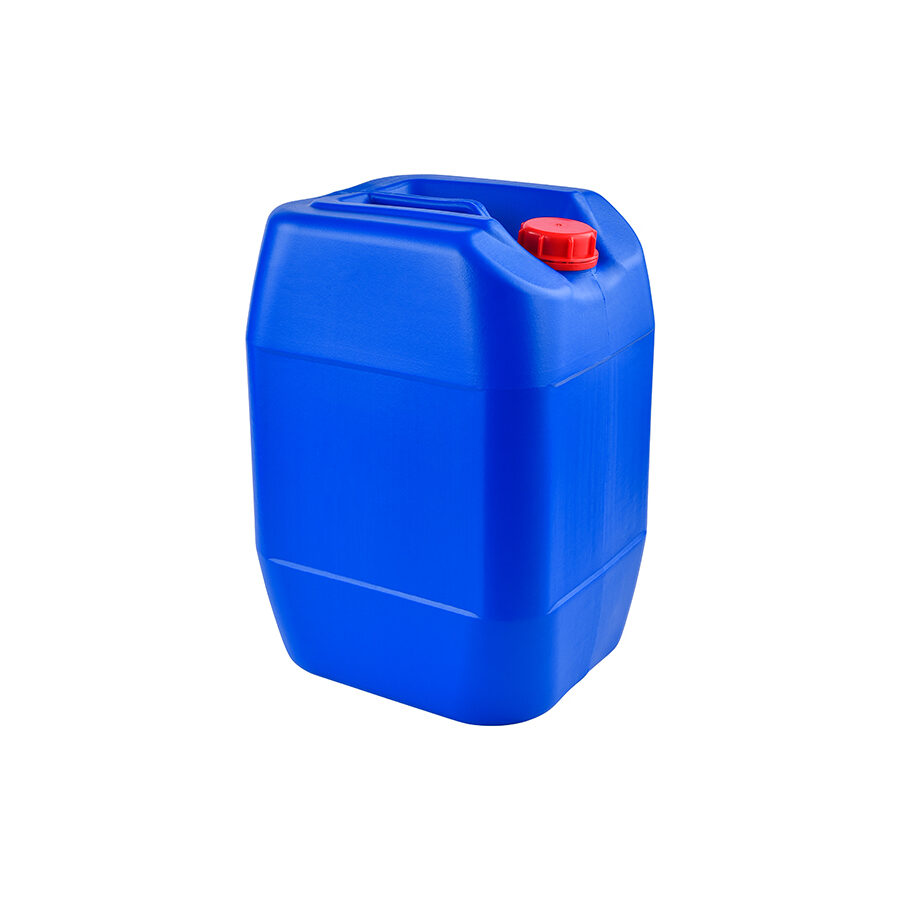
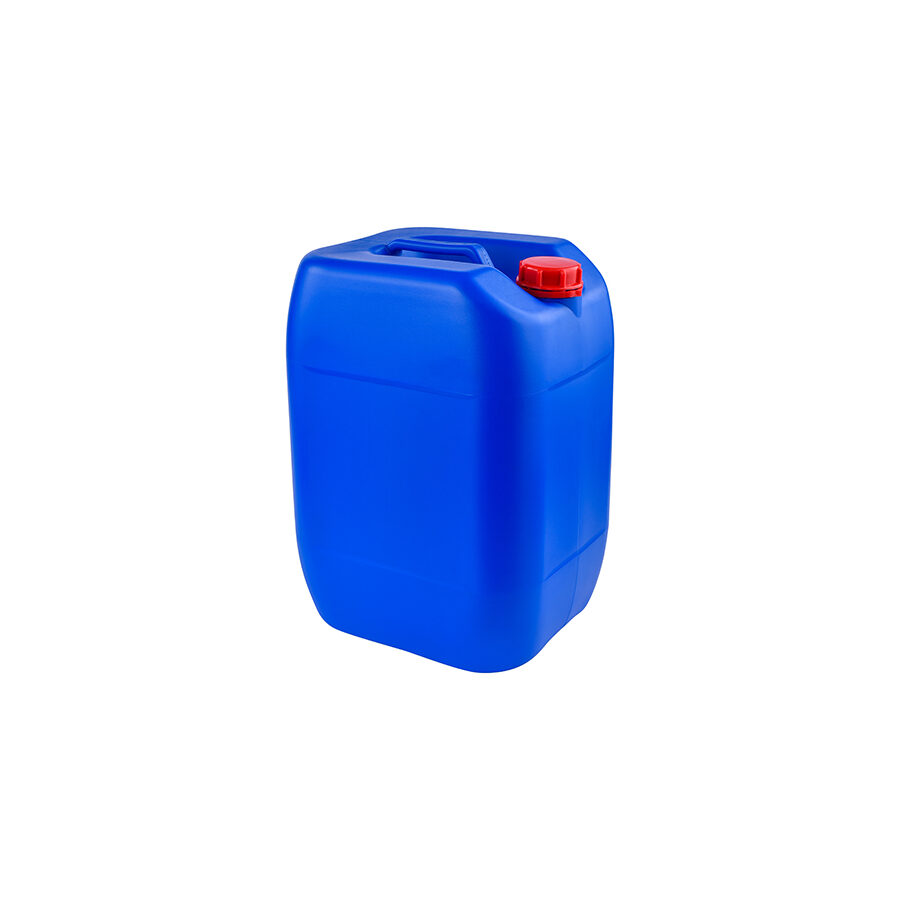
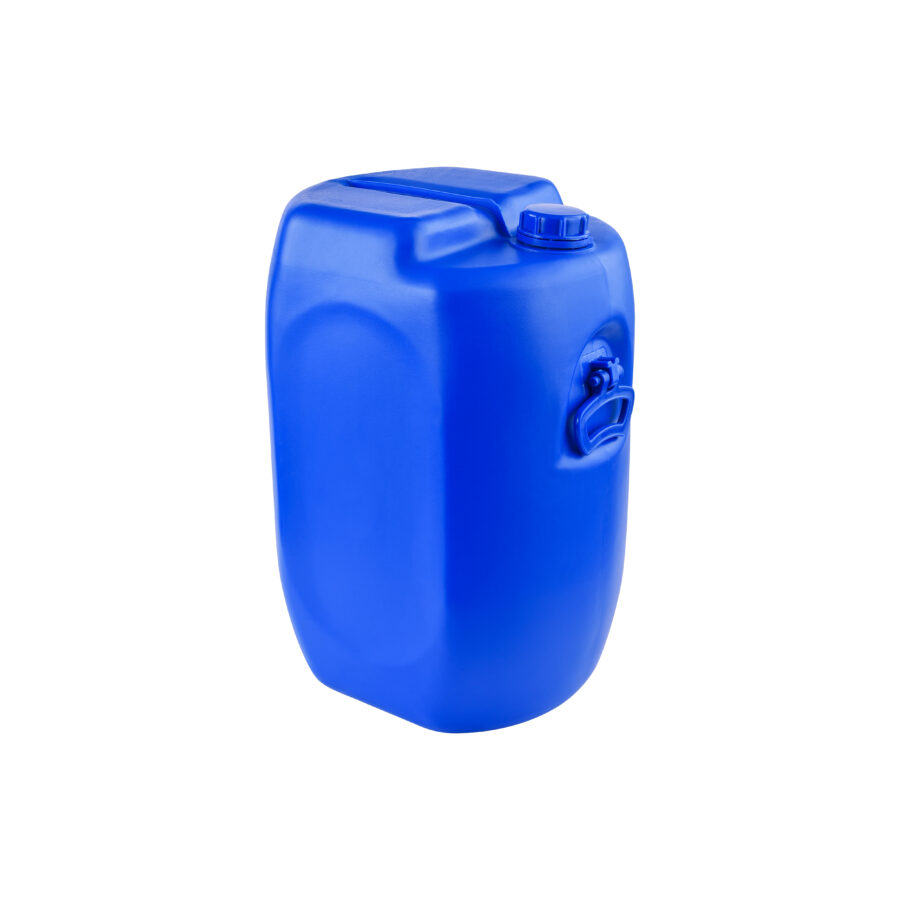
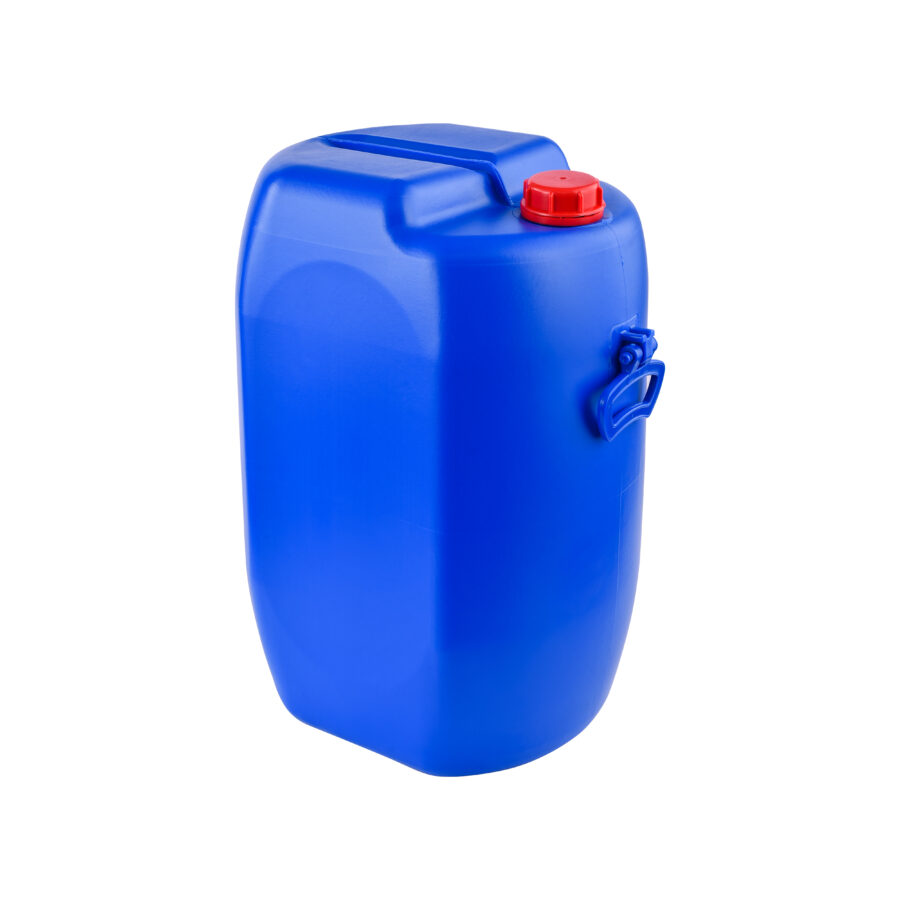
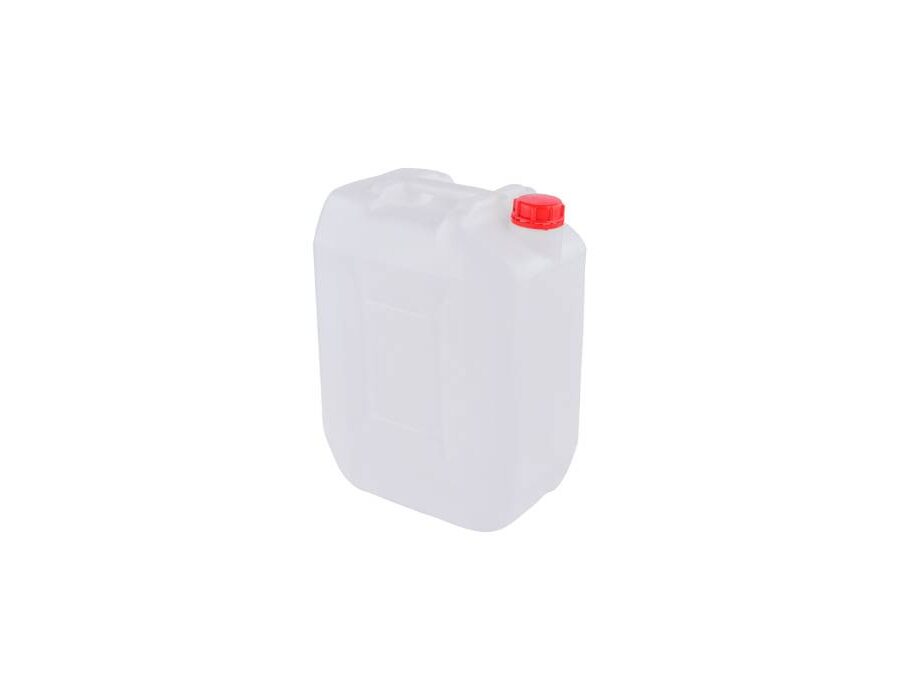
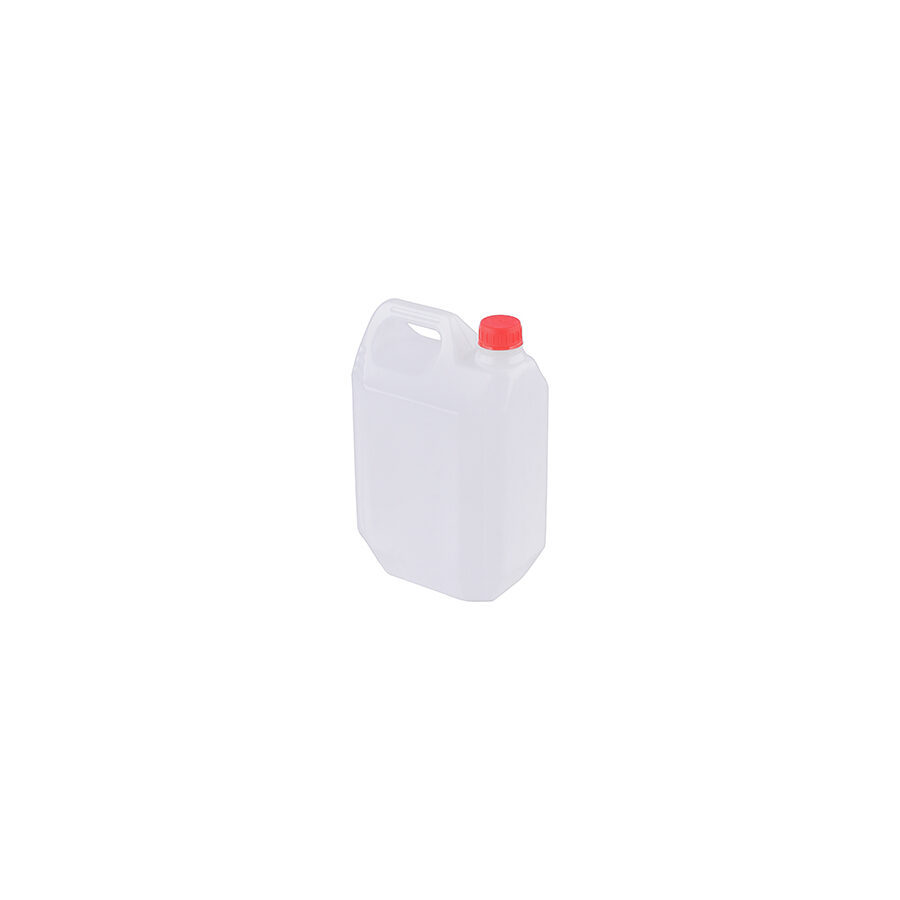
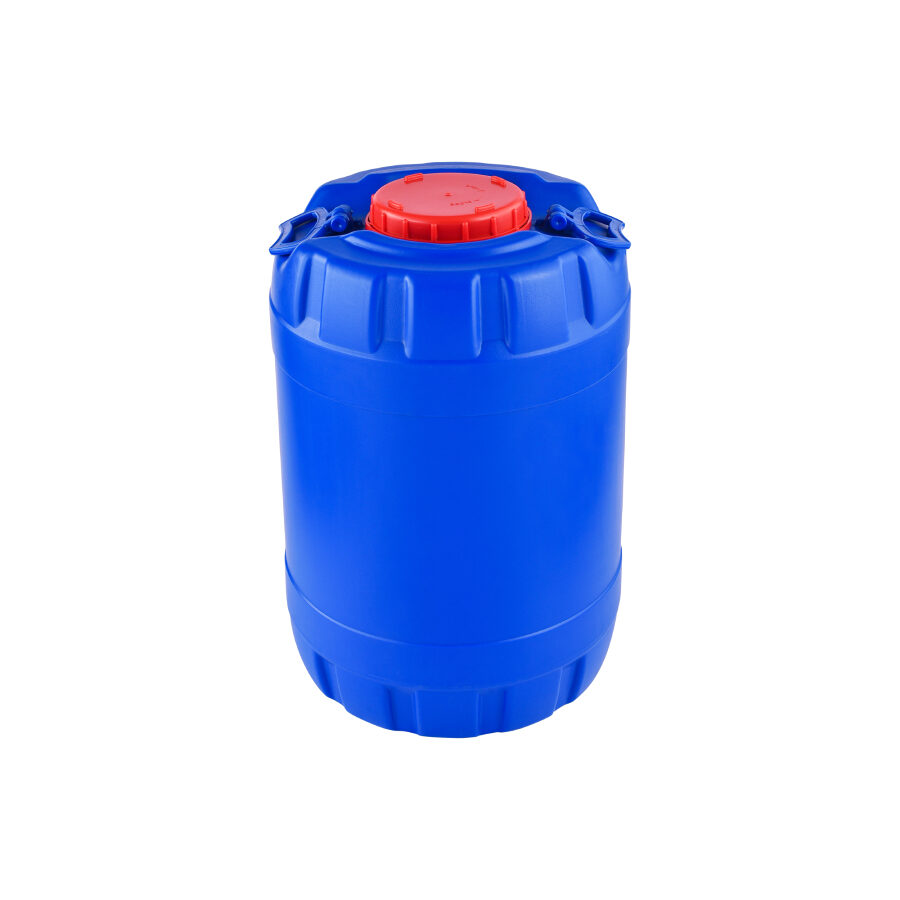
Bulk purchasing of industrial packaging requires strategic planning to ensure operational efficiency, product integrity, and cost-effectiveness. For High-Density Polyethylene (HDPE) containers, these decisions carry significant financial and operational stakes, directly impacting everything from product safety to logistics costs and regulatory compliance. Poor container selection can lead to product contamination, leaks, increased transportation expenses, and even legal repercussions. This article outlines a comprehensive decision framework to guide procurement managers, plant managers, and supply chain professionals in making informed bulk HDPE container purchasing decisions.
Factor 1: Raw Material Quality and Virgin HDPE vs Recycled Plastic
The quality of the raw material, specifically whether it is virgin HM/HDPE or recycled plastic, is paramount for chemical resistance and long-term durability. Virgin HM/HDPE material offers superior and predictable mechanical performance, making it critical for applications requiring high chemical resistance and structural integrity. In contrast, recycled or mixed plastics, while often cheaper and more environmentally friendly with approximately 70% lower cradle-to-gate emissions compared to virgin HDPE, introduce hidden risks in industrial applications due to potential impurities, inconsistent material properties, and reduced durability.
- Virgin HM/HDPE provides consistent chemical resistance and structural integrity.
- Recycled plastic can have variable performance due to feedstock quality and processing history.
- Material certificates and test reports verify the composition and properties of the plastic used.
- Cost savings from recycled materials may be offset by increased risks of product loss or failure.
Procurement teams must verify material certificates and test reports from manufacturers to confirm the exact composition and quality of the HDPE resin. While the global demand for recycled HDPE is growing, with brands increasingly requiring 25%–50% post-consumer recycled (PCR) content, applications with high safety or consistency requirements, such as medical or food contact, generally still prefer virgin HDPE due to its predictable properties and easier compliance management.
| Feature/Factor | Virgin HM/HDPE Containers | Recycled/Mixed Plastic Containers |
| Chemical Resistance | High and predictable; excellent for aggressive substances. | Variable; depends heavily on feedstock purity and blending methods. |
| Structural Consistency | Superior and uniform mechanical properties, less prone to weak spots. | More variable; potential for reduced impact strength and wall integrity. |
| Certification Eligibility | Easier to certify for food-grade, pharmaceutical, and hazardous materials. | More complex certification process, especially for food contact, due to contaminant risk. |
| Long-term Durability | Maximum lifespan and reusability under specified conditions. | Potentially shorter lifespan and reduced reusability, higher risk of failure over time. |
| Initial Unit Cost | Generally higher per unit due to premium raw material. | Typically lower initial unit cost, appealing for non-critical applications. |
| Total Cost of Ownership | Lower long-term TCO due to fewer failures, extended lifespan, and predictable performance. | Higher long-term TCO possible due to increased risk of leaks, product loss, and frequent replacement. |
Factor 2: Manufacturing Standards and Quality Certifications
Manufacturing standards and quality certifications are non-negotiable for ensuring consistent product performance and regulatory adherence. Essential certifications like ISO 9001 signal a robust quality management system and consistent production control, while food-grade approvals and pharmaceutical compliance are critical for industry-specific applications. For instance, in India, ISO 9001 is the minimum “must-have” quality standard for plastic container manufacturers, with ISO 14001 and ISO 45001 often added for environmental and worker-safety requirements.
- ISO 9001 ensures a documented quality management system and consistent production.
- Regular audits of a manufacturer’s quality control systems verify adherence to standards.
- Unsubstantiated certification claims or incomplete documentation are significant red flags.
Manufacturing process consistency directly impacts the reliability of bulk HDPE containers, preventing variations in wall thickness, capacity, and sealing performance. Procurement teams should audit a manufacturer’s quality control systems, including raw material inspection, in-process checks, and final product testing, to ensure reliability. Sharda Containers, for example, prioritizes advanced manufacturing processes combined with consistent quality control to deliver Industrial Packaging Solutions that meet stringent industry standards.
Factor 3: Container Specifications Match Your Product Requirements
Matching container specifications precisely to your product requirements is crucial for preventing leaks, maintaining product integrity, and optimizing logistics. This involves detailed chemical compatibility testing, accurate capacity tolerances, and appropriate structural integrity. HDPE’s chemical resistance depends not just on the chemical itself, but also on “temperature, length of exposure to the chemical and added stresses.
- Chemical compatibility testing ensures the container material will not react with your product.
- Capacity accuracy and tolerance levels prevent overfilling or underfilling during operations.
- Wall thickness and weight capacity must meet the demands of your product and transport methods.
- Closure systems and sealing mechanisms dictate leak-proof performance and product security.
For packaging qualification, ASTM D543 and ASTM D1998 are key standards for resistance and structural testing of polyethylene containers. Procurement should specify precise requirements for dimensions, weight, wall thickness, and closure types, especially for products requiring leak-proof containers or heavy-duty packaging.
Factor 4: Total Cost of Ownership Beyond Unit Price
Evaluating the total cost of ownership (TCO) beyond the initial unit price is essential for long-term financial viability and operational efficiency. TCO includes hidden costs such as transportation, storage space utilization, handling efficiency, and the long-term impact of durability and reusability. Hidden costs can represent 65% to 75% of total spend for industrial bulk packaging, according to one industry guide.
- Transportation costs factor in container weight, stackability, and shipping volume.
- Storage space efficiency impacts warehousing expenses.
- Durability and reusability directly affect replacement frequency and waste disposal costs.
- Supplier reliability ensures consistent order fulfillment and minimizes stockouts.
A multi-year view, rather than focusing only on capital expenditure, is recommended for evaluating TCO. This comprehensive view helps identify cost-effective packaging solutions that reduce inventory, improve logistics, and offer long-term value.
Factor 5: Supplier Capabilities and Scalability
Assessing supplier capabilities and scalability is critical for maintaining an uninterrupted supply chain and accommodating future growth. This includes evaluating production capacity, lead times, inventory management, and customization options. Lead times for bulk HDPE container orders in India are strongly vendor- and product-specific, with buyers typically expecting weeks rather than days, especially for custom or high-volume orders.
- Production capacity must meet current demands and be scalable for future volume increases.
- Reliable lead times and inventory management prevent stockouts and production delays.
- Just-in-time delivery options can reduce your internal storage costs.
- Customization capabilities allow for branding, unique sizes, or special features.
The global HDPE containers market is projected to reach USD 80.40 billion by 2033, with a 3.6% CAGR from 2026–2033, underscoring the importance of suppliers who can manage this growing demand. Sharda Containers, as a leading Plastic Packaging Manufacturer in India, offers scalable production and flexible delivery options for bulk packaging solutions.
Factor 6: Compliance, Safety, and Industry-Specific Requirements
Adhering to compliance, safety, and industry-specific requirements is paramount, particularly for regulated sectors. This includes UN certification for hazardous materials, food-grade compliance, and pharmaceutical packaging regulations. For hazardous materials, UN-approved packaging is a legal requirement, not merely a recommendation.
- UN certification is mandatory for transporting hazardous materials, ensuring container performance under stress.
- Food-grade compliance guarantees containers are safe for food contact and prevent contamination.
- Pharmaceutical packaging requires stringent validation and documentation to ensure product stability and safety.
- Environmental regulations and disposal/recycling considerations are increasingly important for sustainable operations.
The Sharda Containers Bulk Procurement Framework
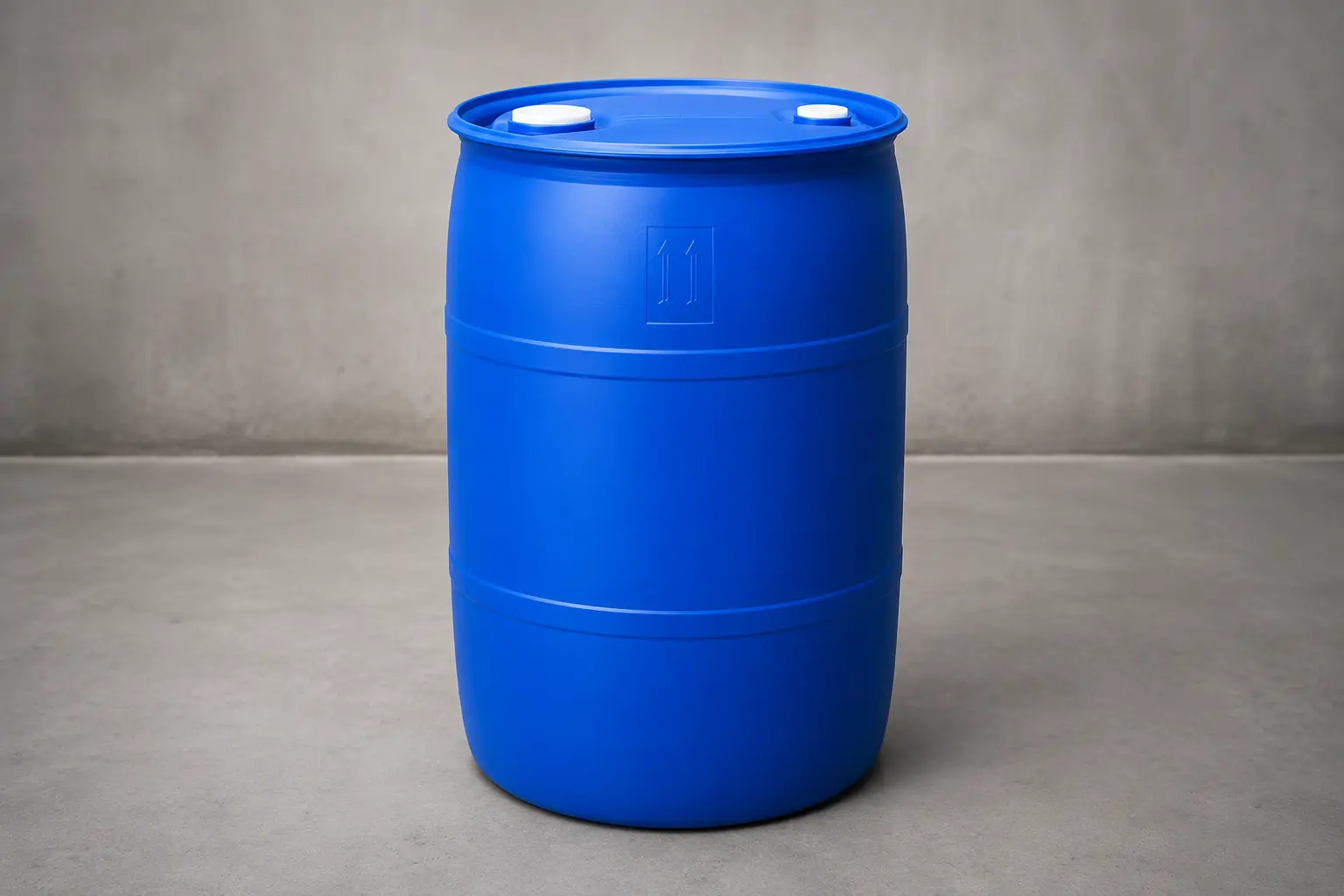 The Sharda Containers Bulk Procurement Framework provides a systematic approach for evaluating bulk HDPE container suppliers, moving beyond simple price comparison to quantify total cost of ownership, supplier risk, and operational fit. This framework incorporates a weighted scoring system across key factors, enabling procurement teams to objectively compare suppliers based on specific operational requirements.
- Define Requirements: Clearly outline product compatibility, volume needs, regulatory compliance, and desired lead times.
- Supplier Qualification: Assess potential suppliers against material quality, manufacturing standards, and certifications.
- Specification Matching: Verify container specifications (e.g., wall thickness, closure type) meet your product’s specific demands.
- Total Cost of Ownership Analysis: Calculate TCO beyond unit price, including logistics, storage, and long-term durability.
- Capability & Scalability Check: Confirm the supplier’s production capacity, lead times, and ability to scale or customize.
- Compliance & Safety Review: Ensure all necessary certifications (UN, food-grade, pharmaceutical) and safety regulations are met.
When evaluating potential suppliers, ask specific questions: “Can you provide material test certificates for virgin HDPE resin batches?” “What are your average lead times for custom orders of 1000+ units?” “How do you ensure consistency in wall thickness across large production runs?” Sharda Containers supports large-volume industrial buyers with consistent quality and tailored solutions, ensuring reliability and efficiency from inquiry to delivery for bulk orders.
Key Takeaways
- Prioritize virgin HDPE for critical applications requiring high chemical resistance and predictable performance.
- Insist on essential certifications like ISO 9001, UN, and food-grade approvals to ensure quality and compliance.
- Match container specifications meticulously to your product’s chemical compatibility and physical requirements.
- Evaluate the total cost of ownership, considering hidden costs like logistics, storage, and long-term durability.
- Verify supplier capabilities, including production capacity, lead times, and customization options for scalability.
- Ensure strict adherence to compliance, safety, and industry-specific regulations to mitigate risks.
Conclusion: Making Confident Bulk Purchasing Decisions
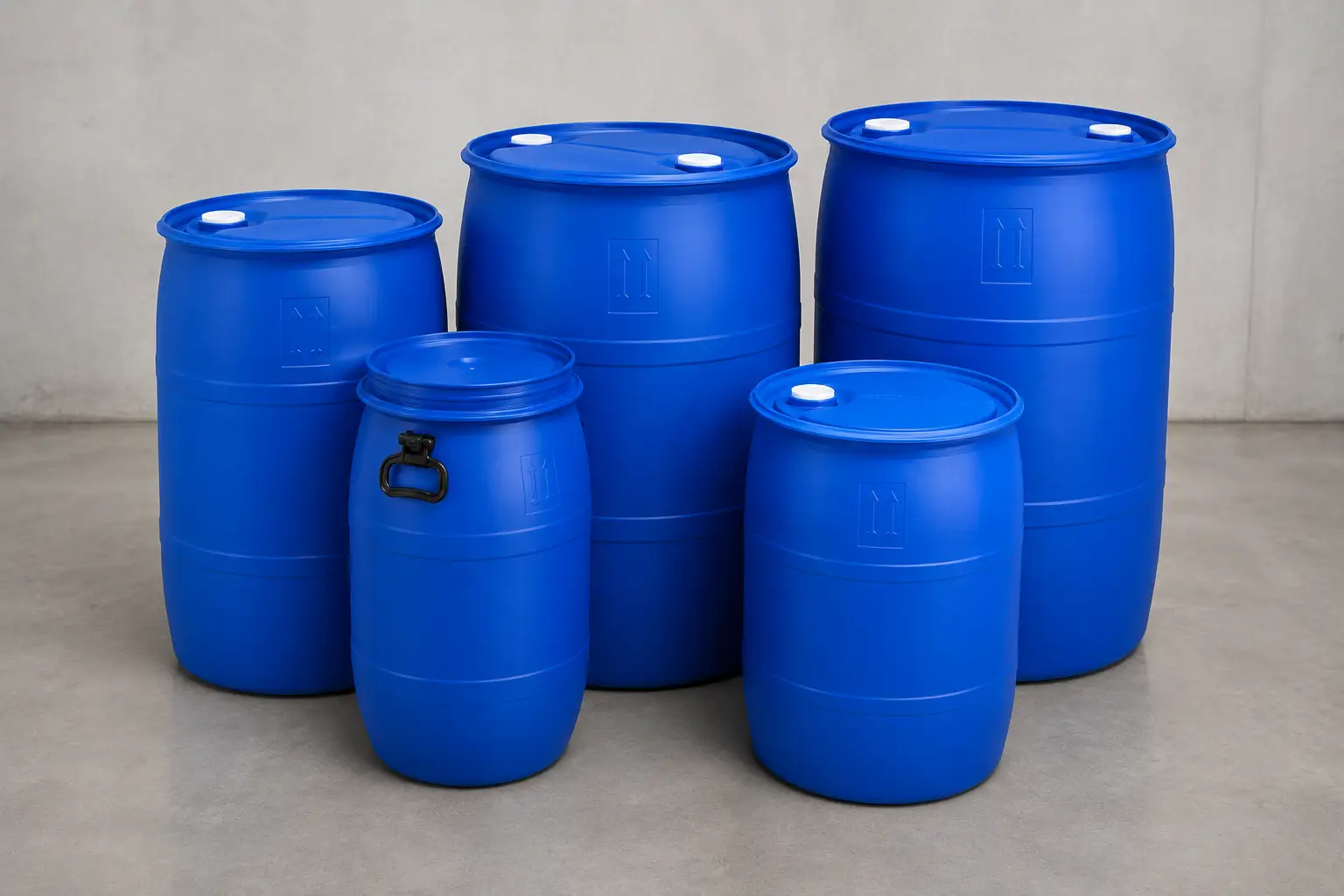 Making confident bulk purchasing decisions for HDPE containers requires a holistic approach that extends beyond the initial unit price. By meticulously evaluating raw material quality, manufacturing standards, precise container specifications, total cost of ownership, supplier capabilities, and regulatory compliance, businesses can mitigate risks and optimize their supply chain. The cost of getting it wrong—through product degradation, safety incidents, or operational disruptions—far outweighs the investment in a thorough evaluation process. Leveraging a structured framework, like the one provided by Sharda Containers, enables procurement teams to make defendable vendor selections that balance cost, quality, compliance, and supply chain reliability, ultimately leading to secure storage and transportation of liquids and semi-liquids.
Key Terms Glossary
HDPE (High-Density Polyethylene): A durable and chemical-resistant thermoplastic polymer widely used for industrial packaging due to its high strength-to-weight ratio.
Virgin HM/HDPE: High-Density Polyethylene made from raw, unused polymer material, ensuring consistent quality, chemical resistance, and predictable performance. Explore Learn more.
Recycled Plastic: Plastic material that has been reprocessed from post-consumer or post-industrial waste, offering environmental benefits but potentially variable performance. Explore Learn more.
ISO 9001 Certification: An international standard for quality management systems, indicating a manufacturer’s commitment to consistent quality and customer satisfaction. Explore Learn more.
UN Certification: A globally recognized standard for packaging used to transport hazardous materials, ensuring containers meet specific safety and performance criteria. Explore Learn more.
Total Cost of Ownership (TCO): A comprehensive financial estimate that includes the purchase price of an asset plus all associated costs of operation, maintenance, and disposal over its lifespan.
Lead Time: The duration between placing an order for bulk HDPE containers and receiving the delivery, encompassing production, quality checks, and logistics.
FAQs
Q1. What is the minimum order quantity for bulk HDPE container purchases in India?
Typical minimum order quantities (MOQs) from manufacturers in India range from 500 to 1000 units for standard HDPE containers. MOQs can vary significantly based on container size, complexity of design, and any customization requirements, with custom orders often demanding higher minimums to justify tooling and setup costs.
Q2. How do I verify that HDPE containers are made from virgin material and not recycled plastic?
To verify virgin HDPE material, request material test certificates, batch reports, and declarations of conformity from the manufacturer. You can also conduct visual inspections for inconsistencies or color variations that might indicate recycled content, and consider third-party laboratory testing for definitive material analysis.
Q3. What certifications should I look for when buying HDPE containers in bulk for chemical storage?
For chemical storage, essential certifications include ISO 9001 for quality management and UN certification for hazardous materials, which validates the container’s performance for safe transport. Industry-specific certifications or compliance with local environmental regulations may also be required depending on the chemicals stored.
Q4. How much can I save by ordering HDPE containers in bulk compared to small quantities?
Ordering HDPE containers in bulk can lead to significant savings, with volume discounts typically ranging from 15-30% compared to smaller quantities. These savings stem from economies of scale in manufacturing, reduced per-unit shipping costs, and better negotiation leverage within pricing tier structures.
Q5. What is the typical lead time for bulk orders of 1000+ HDPE containers?
The typical lead time for bulk orders of 1000+ HDPE containers can range from 2-4 weeks for standard, in-stock items and 6-12 weeks for custom designs or large-volume production runs. Lead times are influenced by production scheduling, quality control checks, and the logistics of transportation.