

Benefits of HDPE Containers Over Metal Containers

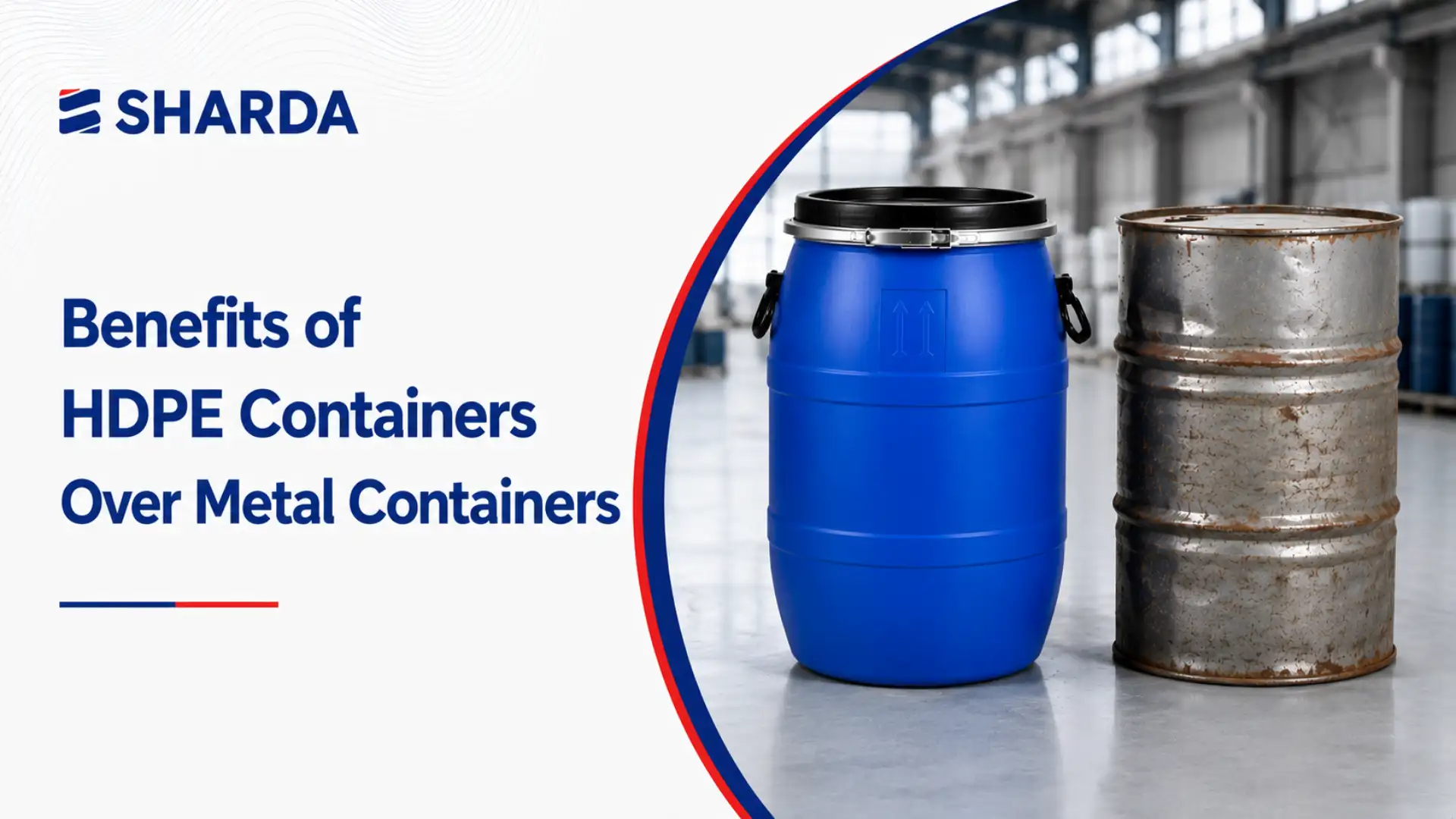
Choosing the right container material is a critical decision for industrial operations, directly impacting product integrity, operational efficiency, and profitability.
For procurement managers and plant heads, understanding the nuanced differences between High-Density Polyethylene (HDPE) and metal containers is essential to avoid hidden costs and optimize supply chain performance.
This comparison will delve into the specific advantages of HDPE, helping businesses in chemical, pharmaceutical, food processing, and industrial manufacturing sectors make informed choices for bulk storage and transportation needs.
What Are HDPE Containers and How Do They Differ from Metal?
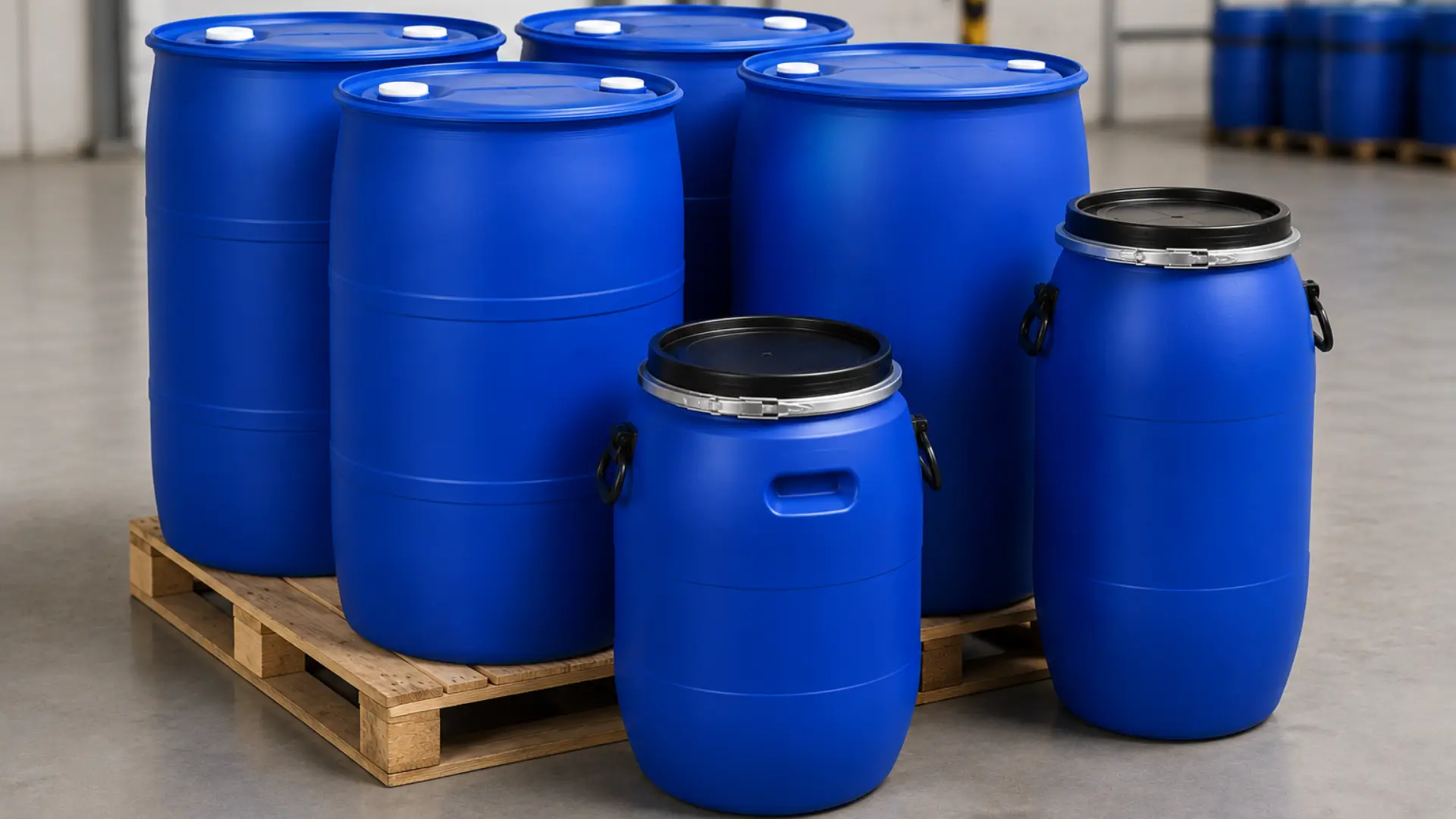
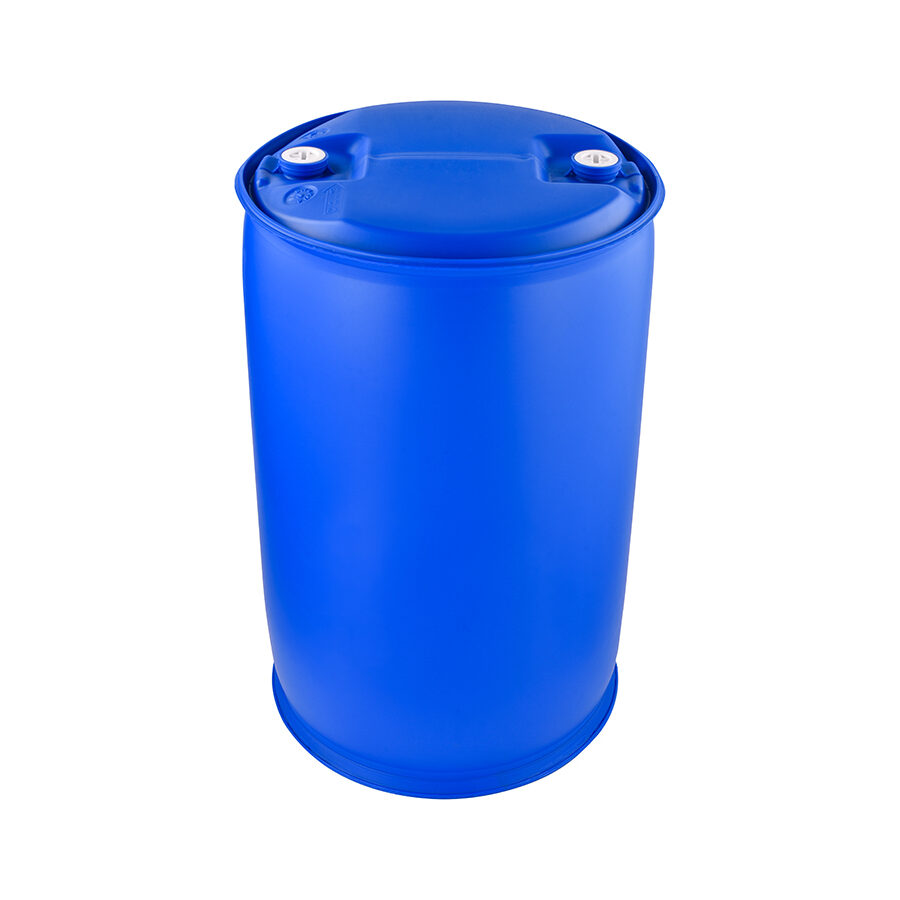
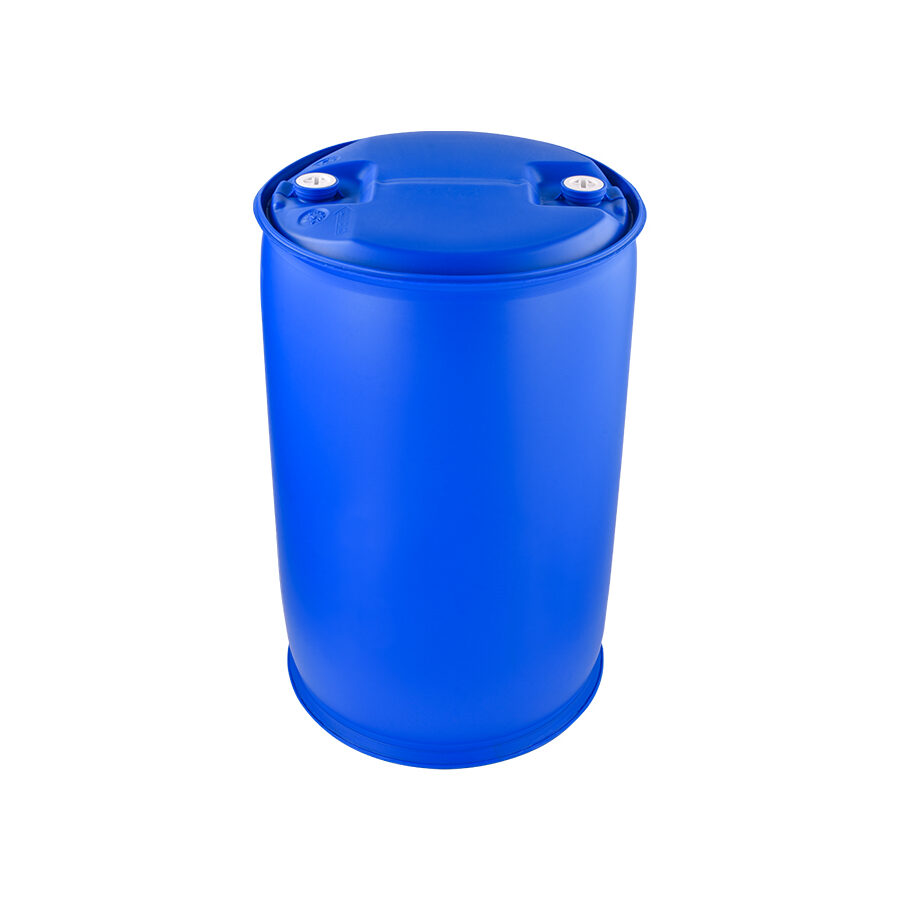
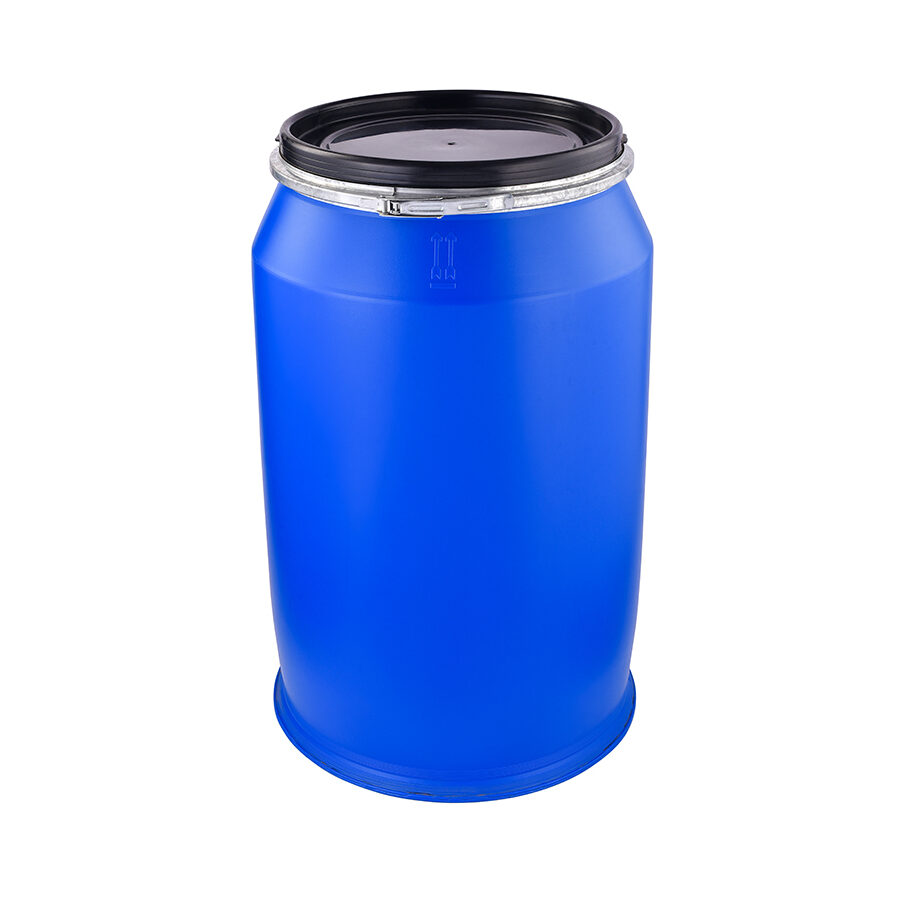
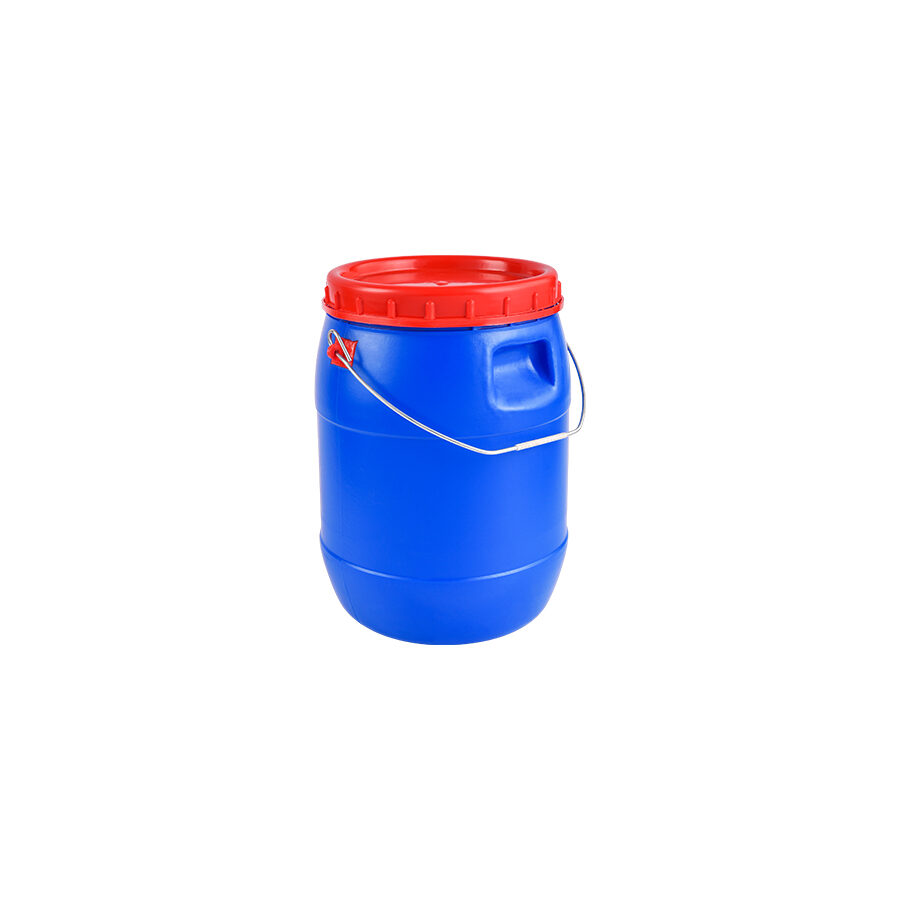
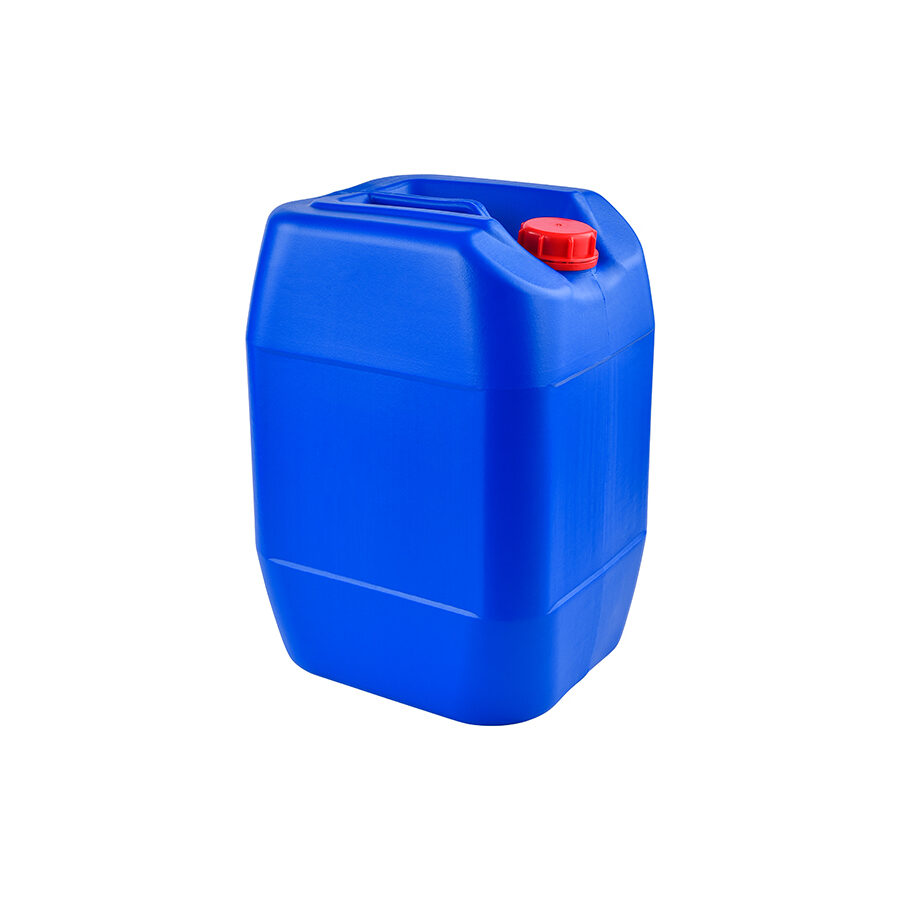
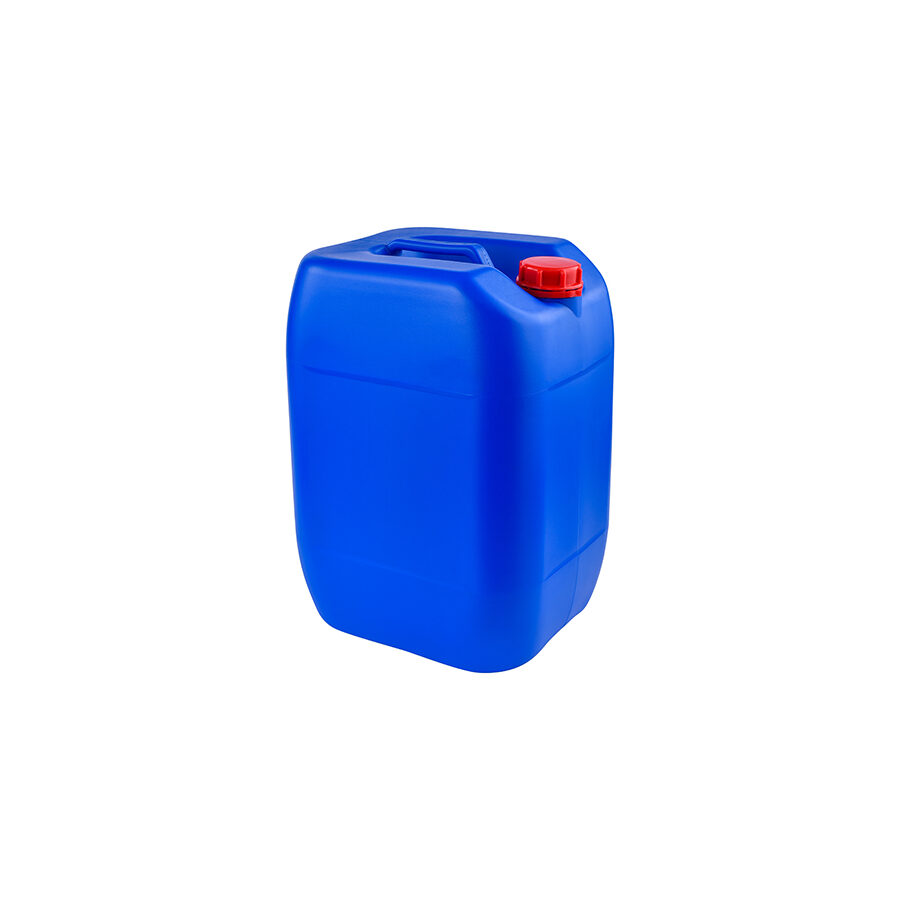
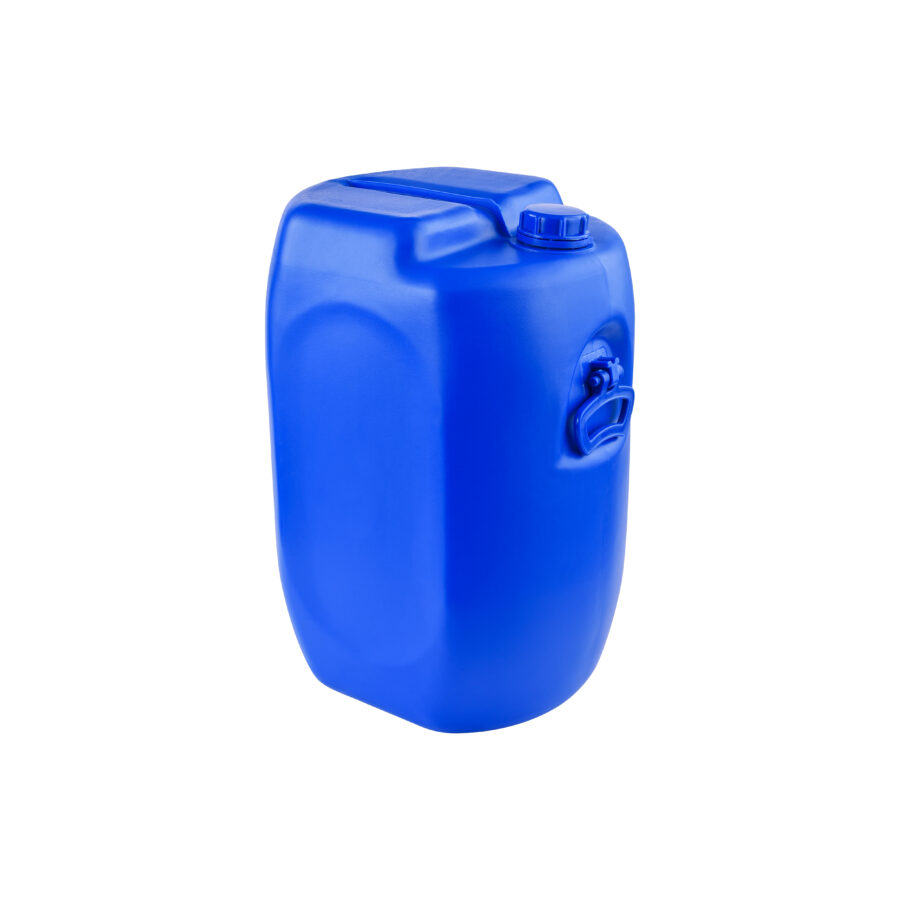
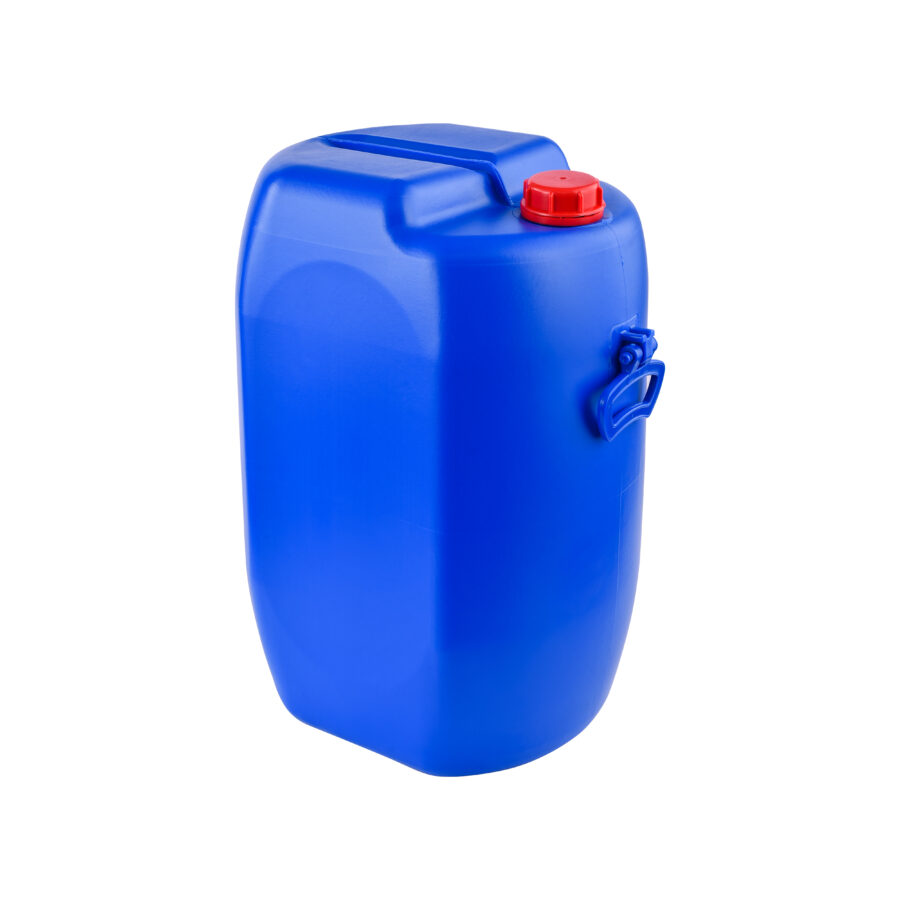
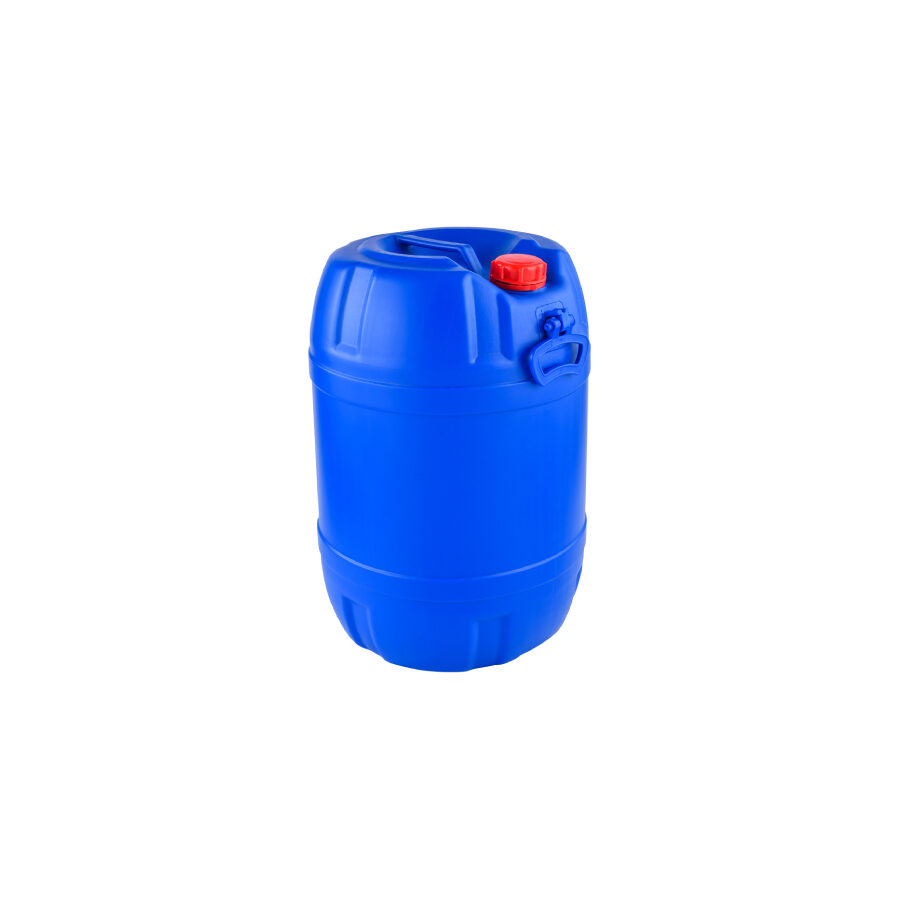
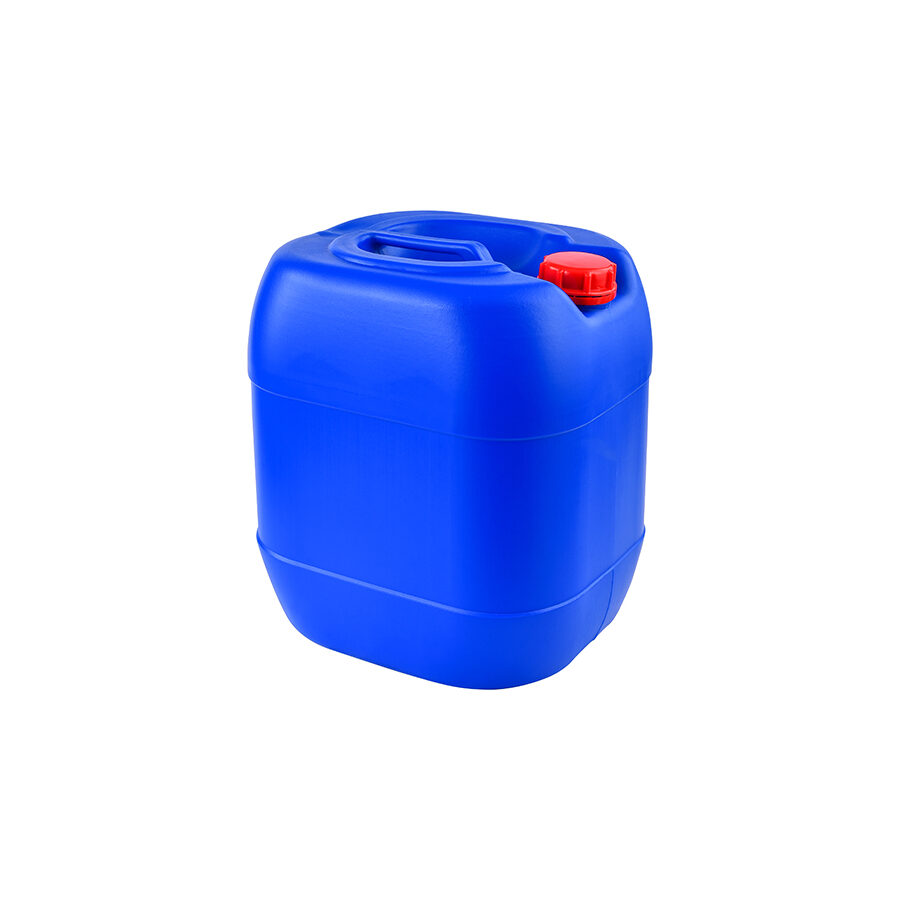
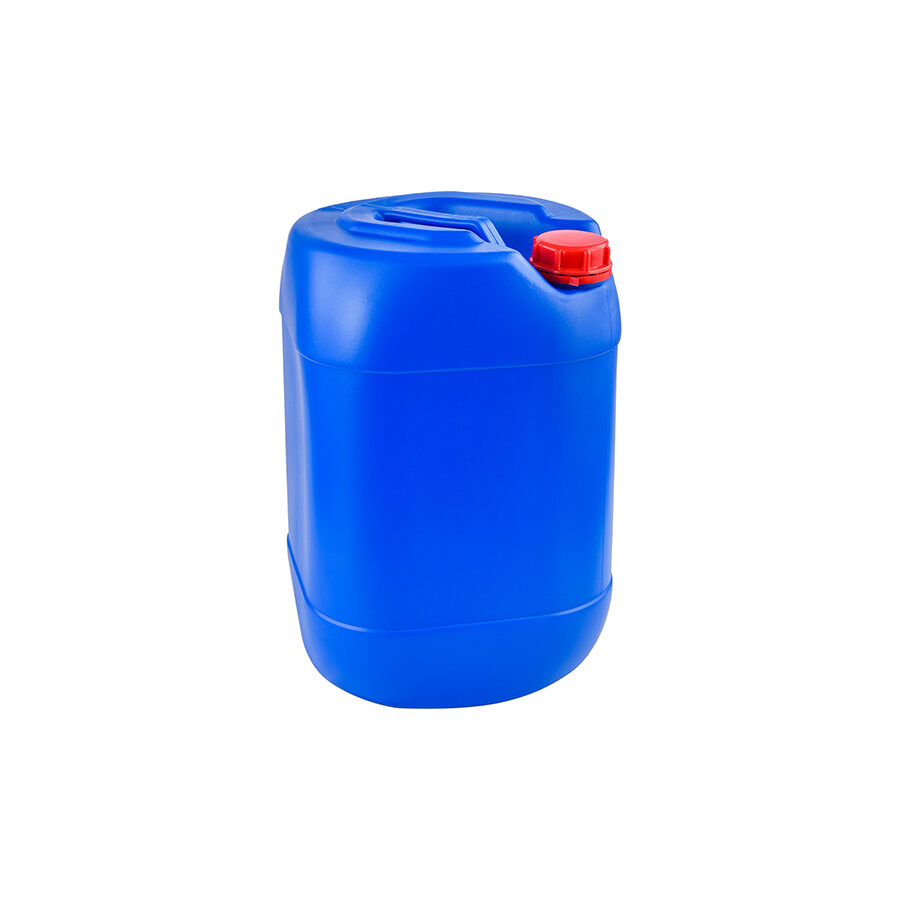
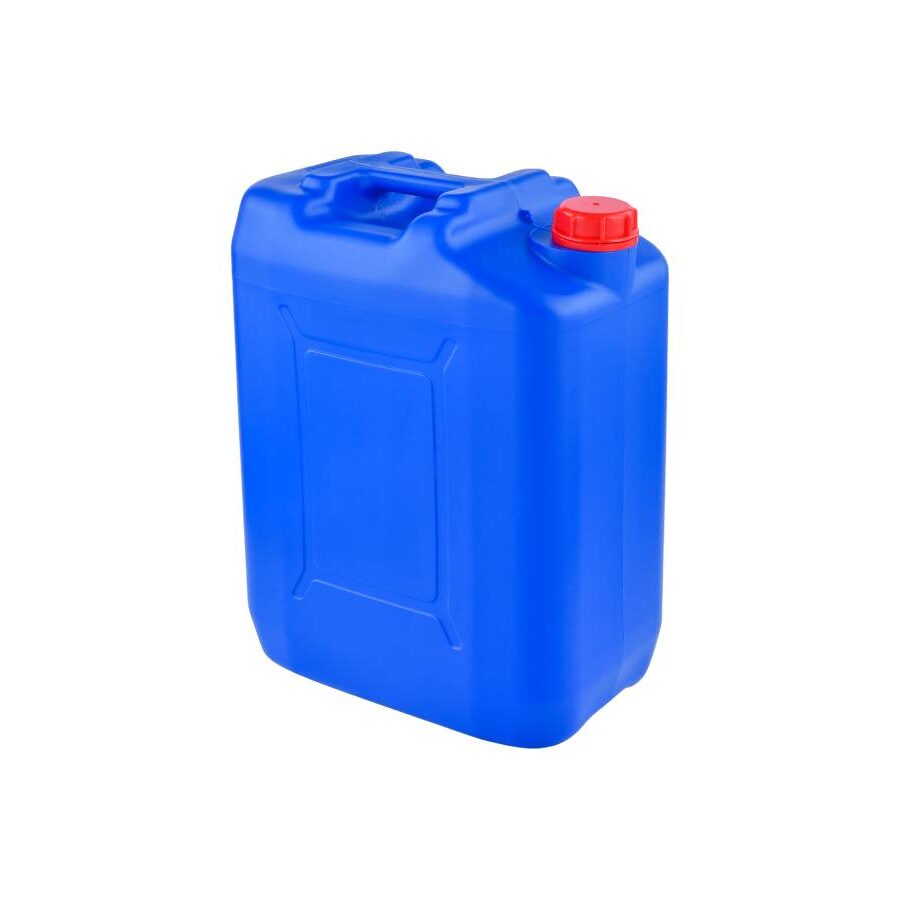
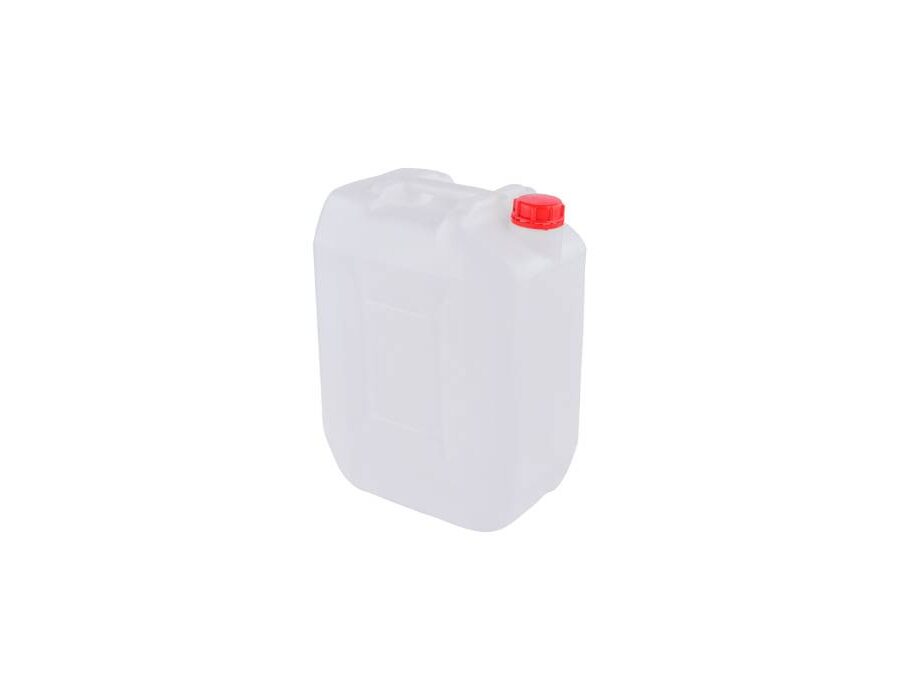
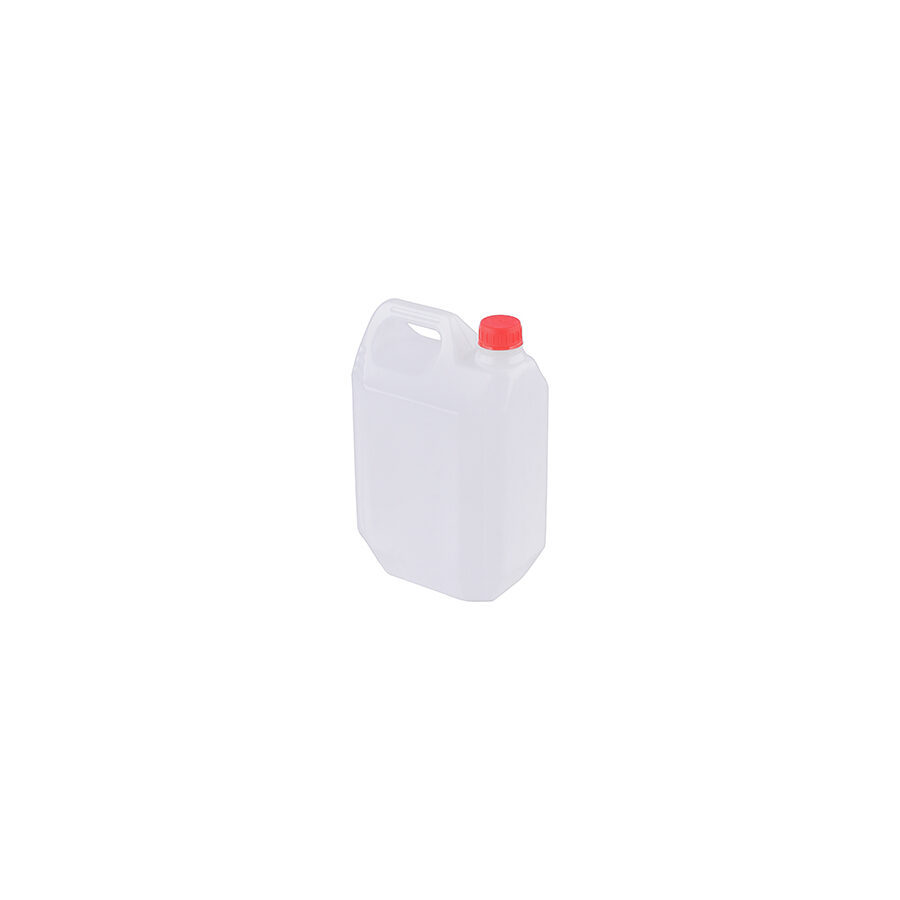
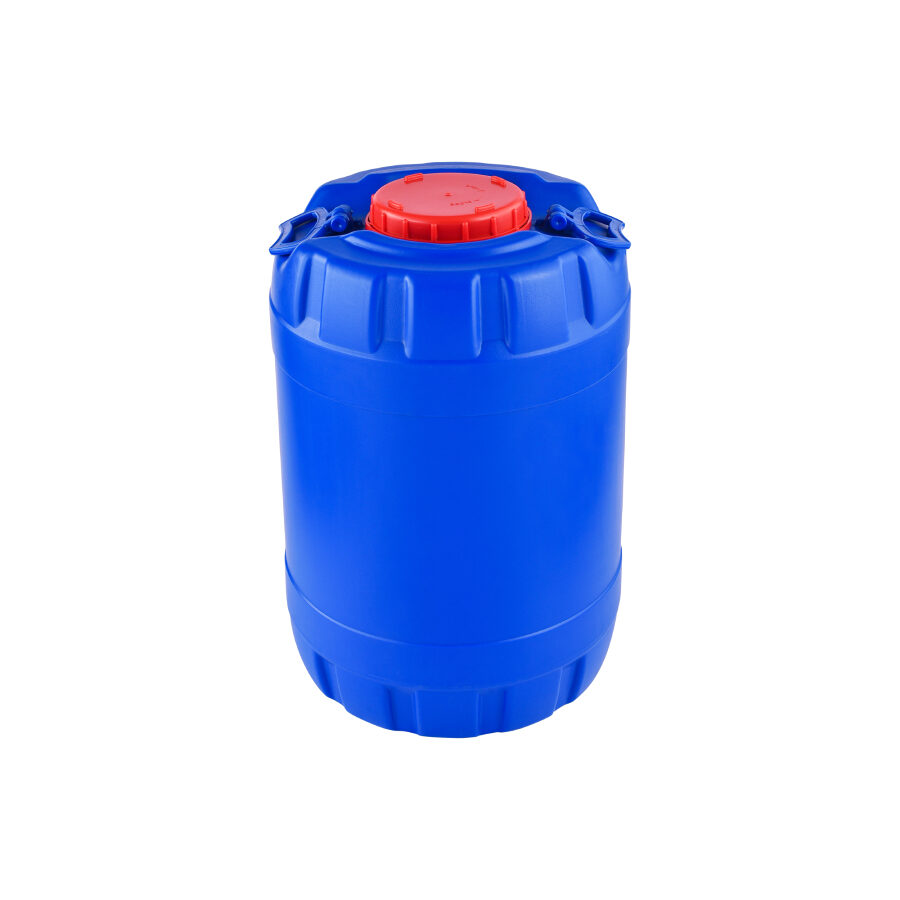
High-Density Polyethylene (HDPE) containers are robust plastic vessels manufactured from a thermoplastic polymer known for its high strength-to-density ratio, chemical resistance, and non-corrosive properties.
The manufacturing process typically involves blow molding or injection molding, creating seamless, durable structures ideal for industrial liquids and solids.
Conversely, metal containers are predominantly made from steel, aluminum, or stainless steel, fabricated through processes like welding and stamping.
Fundamental differences lie in their material composition: HDPE is a polymer, while metal containers are alloys, leading to distinct performance characteristics in terms of chemical interaction, weight, and structural response to external factors.
These material distinctions dictate their suitability for specific storage applications, with HDPE often excelling where chemical inertness and lighter weight are paramount. Explore Learn more.
Benefit 1: Superior Chemical Resistance and Corrosion Prevention
HDPE’s molecular structure provides exceptional resistance to a wide array of chemicals, including many acids, alkalis, and solvents, without corroding or degrading.
This inherent stability prevents container material from leaching into or reacting with stored substances, safeguarding product purity and integrity. For instance, HDPE is listed as showing “little or no damage after 30 days” for substances like ammonia, aluminum salts, and 60% sulfuric acid at 20°C–50°C..
- HDPE resists acids, bases, and many aqueous salts, making it suitable for a broad spectrum of substances.
- Metal containers, particularly steel, are susceptible to rust and corrosion when exposed to moisture or certain chemicals, leading to potential product contamination.
- The long-term cost implications of corrosion-related product loss, container replacement, and safety hazards far outweigh the initial investment in chemically stable HDPE.
- While HDPE may not be compatible with strong oxidizers or certain aromatic solvents like xylene (which can cause some effect after 7 days or is not recommended at higher temperatures), it consistently outperforms metal for common industrial corrosives.
The continuous costs associated with preventing rust, such as specialized coatings or liners for metal drums, are largely eliminated with HDPE, offering significant long-term savings and enhanced safety.
Benefit 2: Weight Reduction and Logistics Cost Savings
HDPE containers offer a substantial weight advantage over their metal counterparts, directly translating into tangible logistics cost savings and operational efficiencies.
A 55-gallon (200-220 liter) empty HDPE drum typically weighs around 22–25 lb, whereas a comparable steel drum weighs approximately 35–40 lb, according to industry comparisons.
- The weight differential, roughly 10–18 lb per drum, significantly reduces the total payload weight for bulk shipments.
- Lighter containers decrease fuel consumption during transportation, lowering freight costs per shipment.
- Reduced container weight also improves labor safety, minimizing strain and injury risks for personnel handling containers manually, as material handling is a primary pathway into slips and strains in industrial environments.
- HDPE containers often allow for increased load density, meaning more units can be shipped per vehicle, further optimizing transportation efficiency.
This weight advantage not only cuts down on fuel expenses but also contributes to better warehouse stacking efficiency and reduced wear and tear on handling equipment.
Benefit 3: Lower Total Cost of Ownership
Beyond initial purchase prices, HDPE containers typically offer a lower total cost of ownership (TCO) compared to metal containers over their operational lifespan.
While upfront costs can vary by size and type, the long-term financial benefits of HDPE stem from reduced maintenance, longer service life in specific environments, and lower associated operational expenses.
- HDPE containers do not rust, eliminating the need for rust prevention treatments, repainting, or internal lining replacements common with steel drums .Their inherent chemical resistance means fewer replacements due to corrosion, extending the container’s usable life, especially in chemical processing environments.
- The global returnable packaging market, including plastic containers, was estimated at USD 128.91 billion in 2025 and is projected to reach USD 136.45 billion in 2026, reflecting a growing recognition of long-term value.
- A TCO calculation framework should consider acquisition, maintenance, operation, repair, cleaning, handling, and end-of-life or residual value over a 5-10 year horizon.
For many industrial applications, HDPE’s durability and low maintenance requirements result in a significantly more favorable return on investment compared to metal containers.
Benefit 4: Safety Advantages and Compliance Benefits
HDPE containers inherently offer several safety advantages and compliance benefits, crucial for industries handling sensitive or hazardous materials. Explore Learn more.
Unlike metal, HDPE is non-conductive, which eliminates the risk of sparking in flammable or explosive environments, significantly reducing fire hazards.
- HDPE’s impact resistance minimizes denting and structural compromise, reducing the likelihood of leaks during handling or transport, which is a major concern given that 27.4% of fatal accidents at work in the EU in 2022 were caused by losing control of equipment.
- For food-grade and pharmaceutical applications, FDA-compliant virgin HDPE resins are widely available, meeting stringent regulatory requirements for direct food contact according to Sales Plastics.
- Both HDPE and metal containers can achieve UN certification for hazardous materials, but HDPE is often preferred for many corrosive liquids due to its chemical inertness.
These attributes ensure safer handling, reduced contamination risks, and easier adherence to industry-specific safety and quality standards.
| Performance Factor | HDPE Containers | Metal Containers (Steel/Aluminum) | Winner for Most Applications |
| Chemical Resistance | Excellent for most acids, alkalis, and many solvents; non-corrosive. | Good for certain solvents/fuels; susceptible to corrosion with acids/bases. | HDPE Containers |
| Corrosion Prevention | No rust, no internal lining needed for corrosion. | Requires coatings, liners, or specific alloys to prevent rust/corrosion. | HDPE Containers |
| Weight (50L drum example) | Approximately 2-3 kg (empty). | Approximately 4-6 kg (empty). | HDPE Containers |
| Cost per Unit | Generally lower upfront cost for comparable capacity. | Higher upfront cost, especially for specialty alloys or coated drums. | HDPE Containers |
| Maintenance Requirements | Low; easy to clean, no rust treatment. | Higher; requires cleaning, rust prevention, potential repainting/re-lining. | HDPE Containers |
| Temperature Range | Continuous service up to 60-80°C; softens above this. | Much higher, often limited by system design (e.g., seals) rather than metal itself. | Metal Containers |
| Impact Resistance | Absorbs impact, less prone to denting; can crack under extreme sharp impact. | Dents easily, but resists catastrophic structural failure under blunt force. | HDPE Containers (for denting/shatter resistance) |
| Lifespan in Corrosive Environments | Longer due to chemical inertness. | Shorter if not properly treated or if contents are highly corrosive. | HDPE Containers |
When Metal Containers Still Make Sense: The Honest Comparison
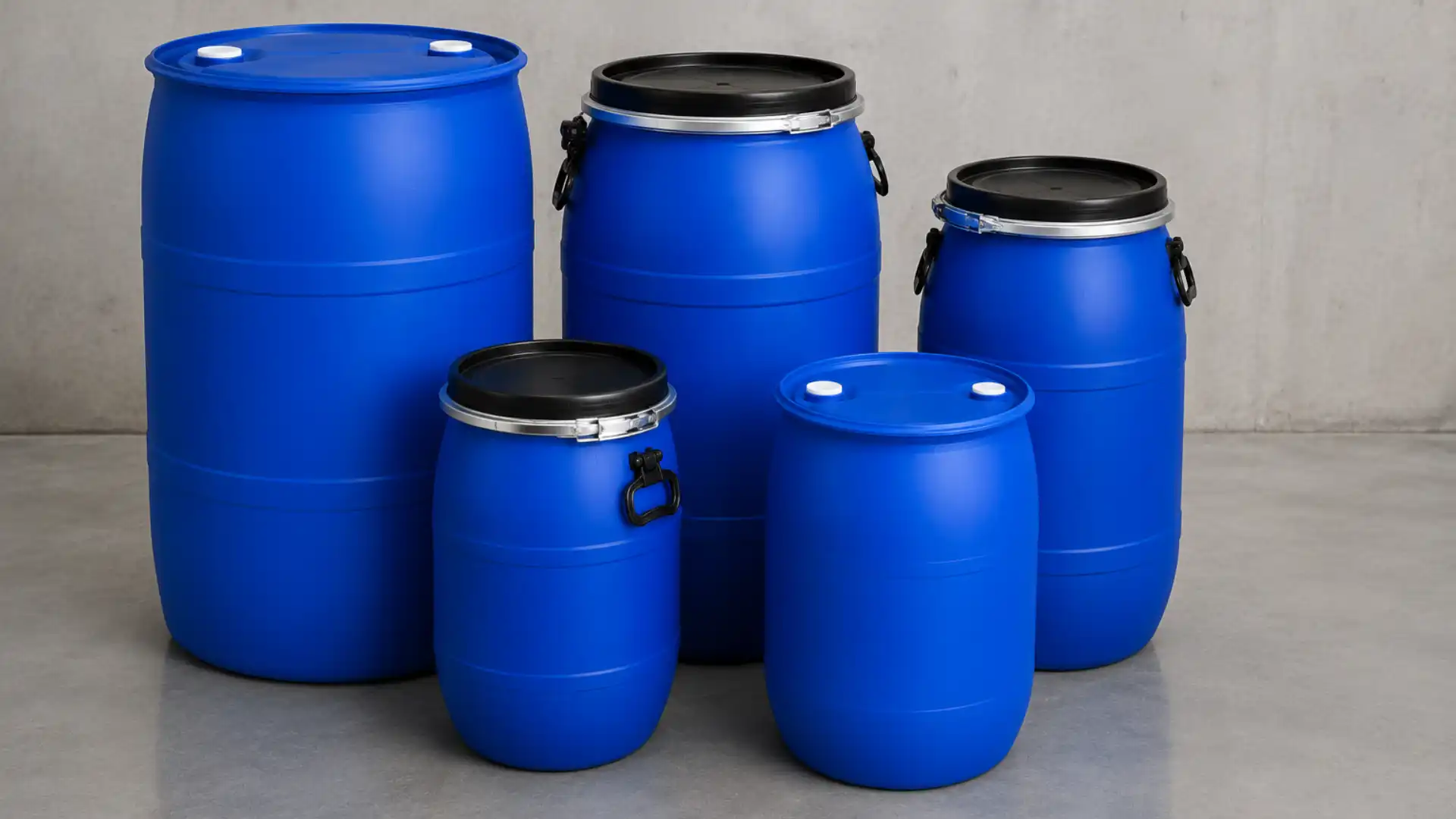 While HDPE offers numerous benefits, certain applications still necessitate the unique properties of metal containers.
High-temperature environments are a prime example; HDPE’s continuous-use temperature limit is typically around 60°C to 80°C, with softening occurring above this range.
- Extreme pressure scenarios often require metal’s superior tensile strength and rigidity, which HDPE cannot match.
- For highly flammable liquids or substances requiring intrinsic grounding to prevent static discharge, metal containers are generally preferred.
- Industries dealing with extremely abrasive materials or those requiring maximum security against tampering might find metal’s robustness more suitable.
- Metal containers like stainless steel are also often chosen for applications demanding higher purity or where plastic incompatibility with specific chemicals (e.g., ketones, certain chlorinated solvents).
The decision hinges on a careful assessment of operational requirements, including the specific chemical properties, temperature ranges, and mechanical stresses involved.
Sharda Containers offers a comprehensive range of Industrial Packaging Solutions, including high-quality HDPE Drums and Jerry Cans, designed to meet diverse industry needs.
Our expertise helps businesses evaluate their specific conditions to determine the optimal container material, ensuring both performance and cost-effectiveness.
Key Takeaways
- HDPE offers superior chemical resistance and eliminates corrosion, safeguarding product purity.
- Lighter HDPE containers reduce transportation costs and improve handling safety.
- Lower maintenance and longer lifespan contribute to a reduced total cost of ownership for HDPE.
- HDPE provides inherent safety benefits, including no spark risk and easier compliance for food-grade applications.
- Metal containers remain essential for high temperatures, extreme pressures, and certain highly flammable substances.
Conclusion: Making the Right Container Choice for Your Operations
The choice between HDPE and metal containers is a strategic one, profoundly affecting operational costs, safety, and product integrity. HDPE containers present compelling advantages in chemical resistance, weight reduction, total cost of ownership, and safety compliance for a vast majority of industrial applications.
However, metal containers retain their critical role in specialized scenarios such as extreme temperatures or pressures. A holistic decision framework must consider the specific chemicals stored, operational temperature ranges, budgetary constraints, and relevant regulatory requirements.
Sharda Containers, an ISO Certified Manufacturer, specializes in high-quality HDPE Drums and Custom Plastic Containers, providing reliable and cost-effective packaging solutions built to perform. We partner with businesses to navigate these complexities, offering tailored advice and Durable Plastic Containers that align with their unique operational needs and Packaging Compliance Standards. Explore Learn more.
Key Terms Glossary
HDPE (High-Density Polyethylene): A robust thermoplastic polymer widely used for durable, chemically resistant industrial containers.
Corrosion: The destructive attack of a material by reaction with its environment, typically affecting metals like steel.
Total Cost of Ownership (TCO): A financial estimate that includes the purchase price of an asset plus the costs of operation, maintenance, repair, and disposal over its lifespan.
UN Certification: A globally recognized standard for packaging used to transport hazardous materials, indicating the container has passed rigorous performance tests.
Chemical Resistance: The ability of a material to withstand degradation or reaction when exposed to various chemical substances.
Tare Weight: The weight of an empty container, which directly impacts transportation costs and handling efforts.
Virgin Resin: Plastic material that has not been previously processed or used, offering consistent quality and purity, especially important for food-grade applications.
FAQs
Q1. Are HDPE containers stronger than metal containers?
HDPE containers exhibit superior impact resistance and flexibility, making them less prone to denting or shattering upon impact, while metal containers possess higher tensile strength for extreme internal pressure applications.
Q2. Can HDPE containers hold the same chemicals as metal containers?
HDPE offers broad chemical compatibility, handling many acids, alkalis, and solvents better than metal, though metal is required for strong oxidizers, certain aromatic solvents, or extreme acids at high temperatures where HDPE may degrade.
Q3. How much cheaper are HDPE containers compared to metal drums?
HDPE containers typically have a lower upfront cost than metal drums, and their total cost of ownership is significantly reduced due to lower maintenance, no corrosion issues, and decreased transportation expenses.
Q4. Do HDPE containers last as long as metal containers?
HDPE containers can last as long or longer than metal containers in corrosive environments due to their inherent chemical resistance, whereas metal drums are susceptible to rust and degradation without consistent maintenance or specialized coatings.
Q5. What is the weight difference between HDPE and steel drums?
A 55-gallon (200-220 liter) empty HDPE drum is significantly lighter, weighing approximately 22–25 lb, compared to a steel drum at 35–40 lb, leading to substantial transportation cost savings.