

Why Indian Industries Prefer HDPE Plastic Containers

India’s industrial landscape is rapidly evolving, driving a critical need for reliable and efficient packaging solutions, especially for bulk liquids and semi-liquids. The choice of packaging directly influences product integrity, logistics costs, and adherence to stringent regulatory standards.
High-Density Polyethylene (HDPE) containers have emerged as the frontrunner in this segment, with polyethylene holding a significant 37.78% of India’s plastic packaging market share in 2025. This preference is not accidental; it stems from a combination of material science advantages, economic benefits, and alignment with India’s unique operational challenges and sustainability goals.
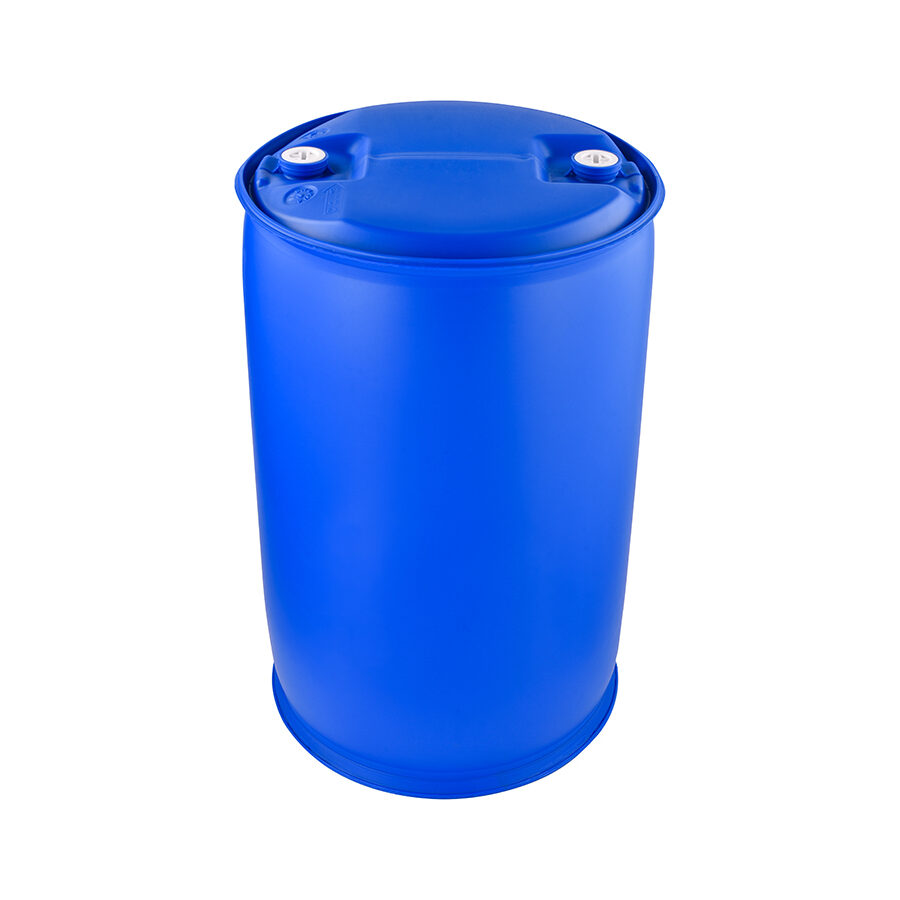
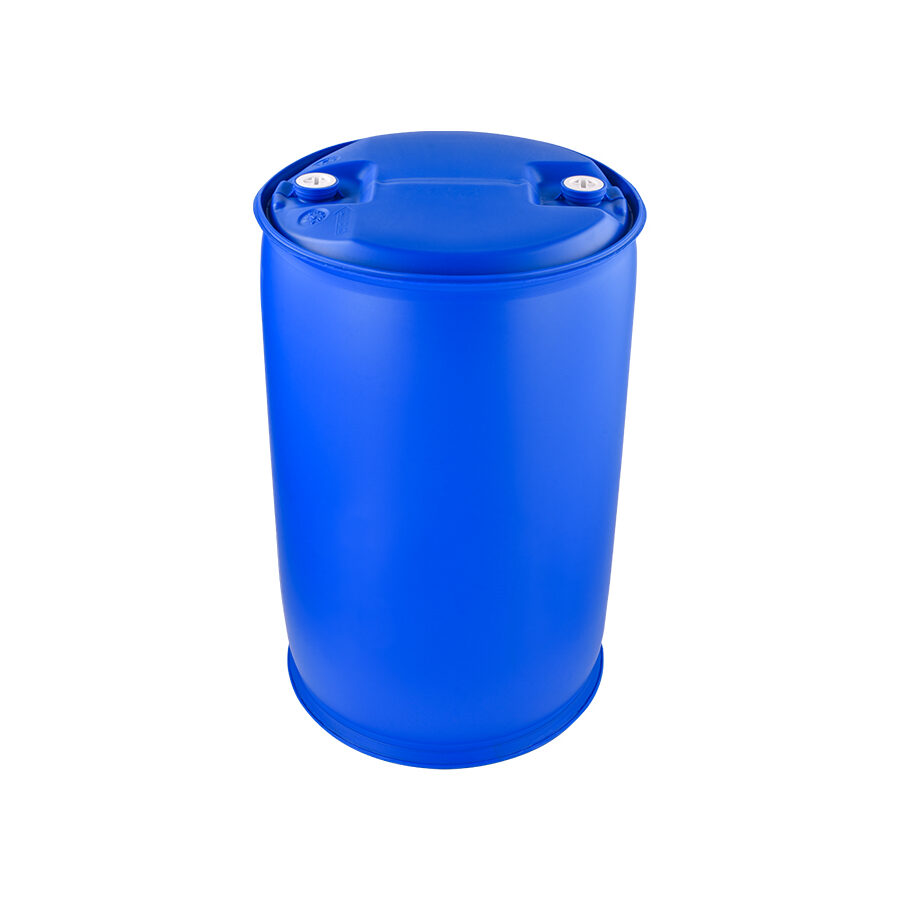
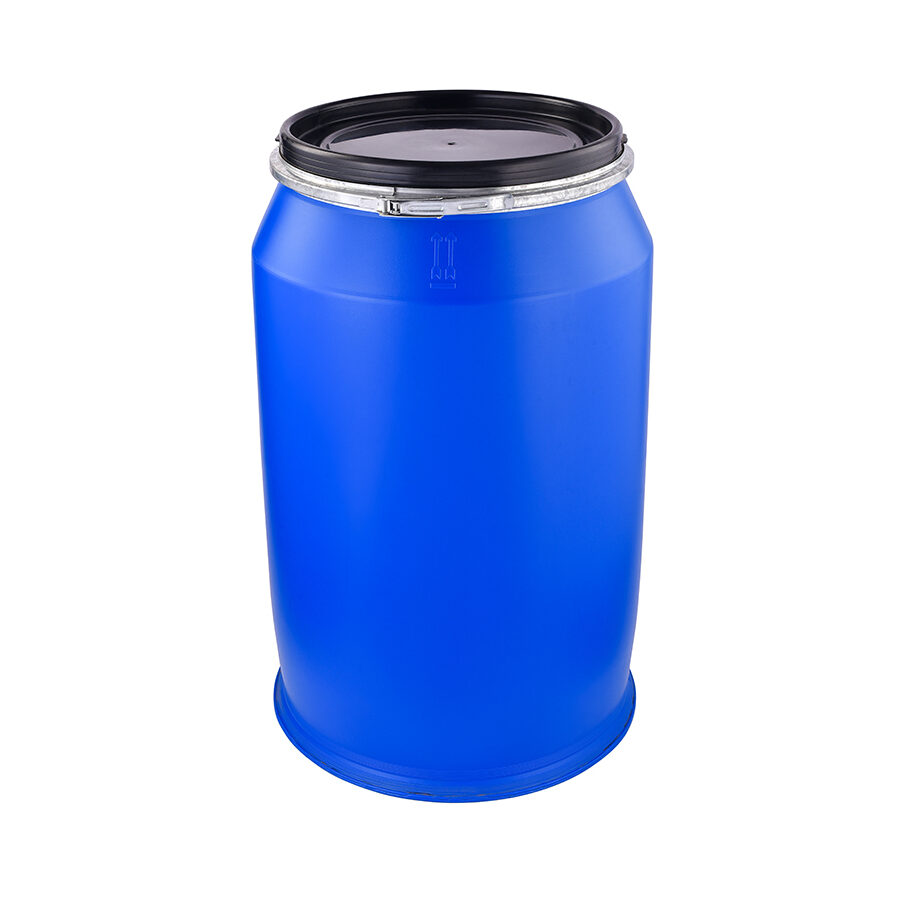
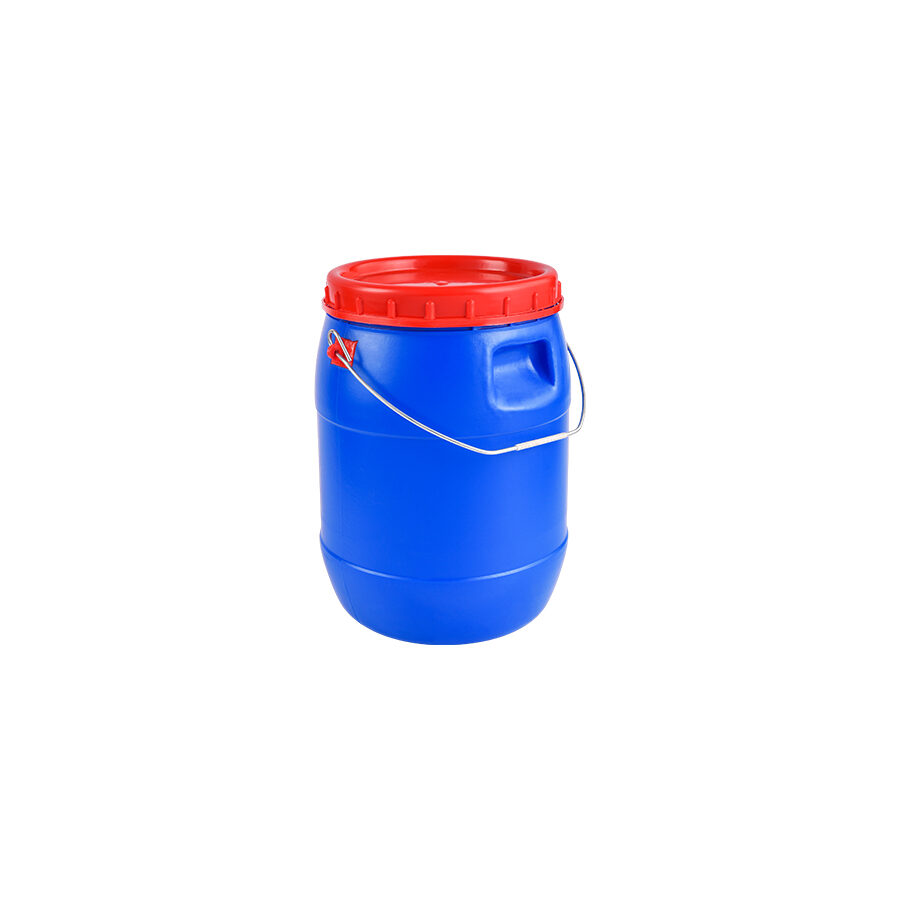
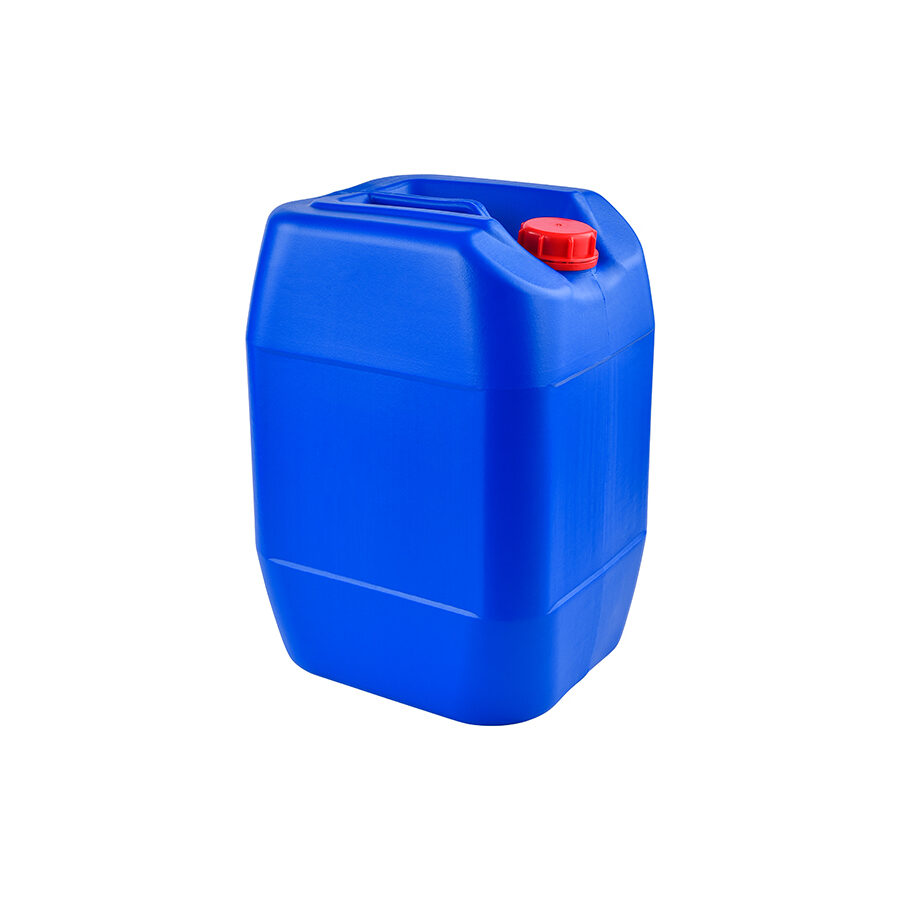
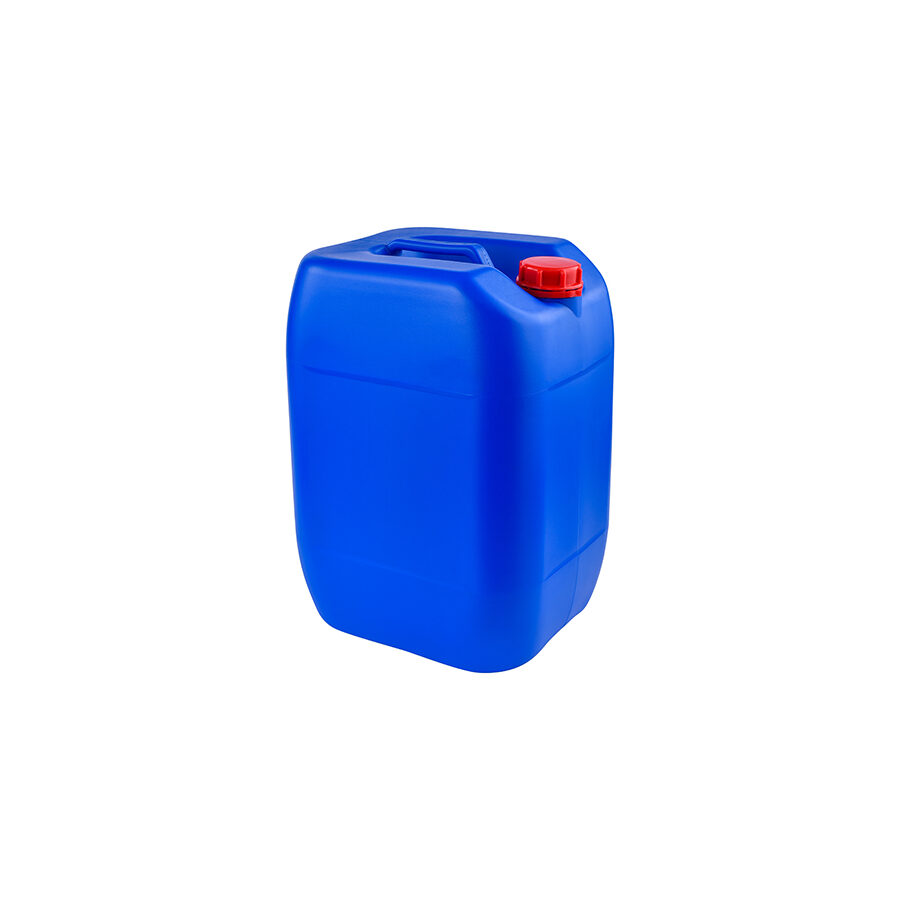
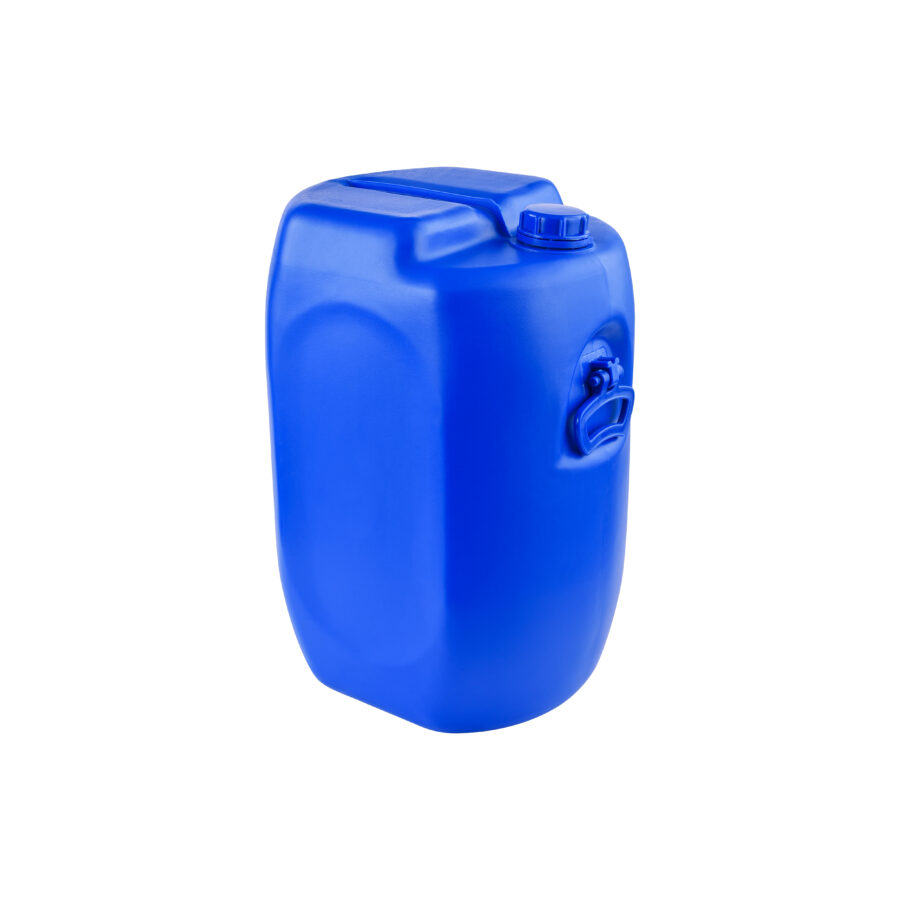
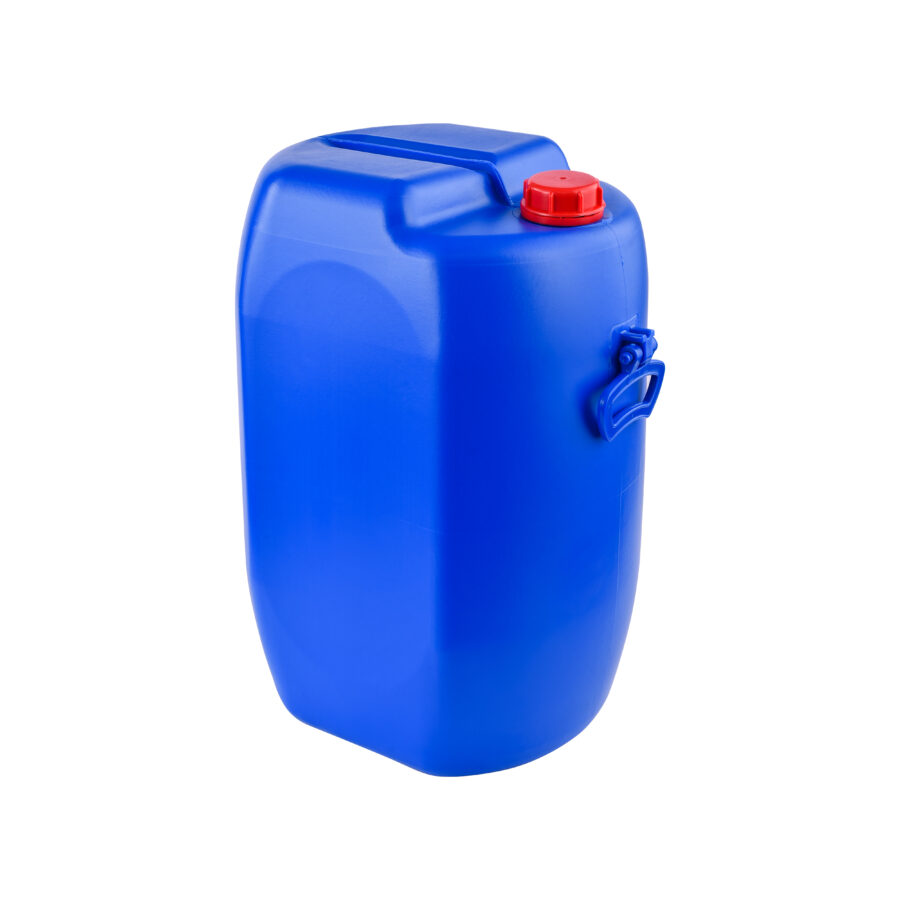
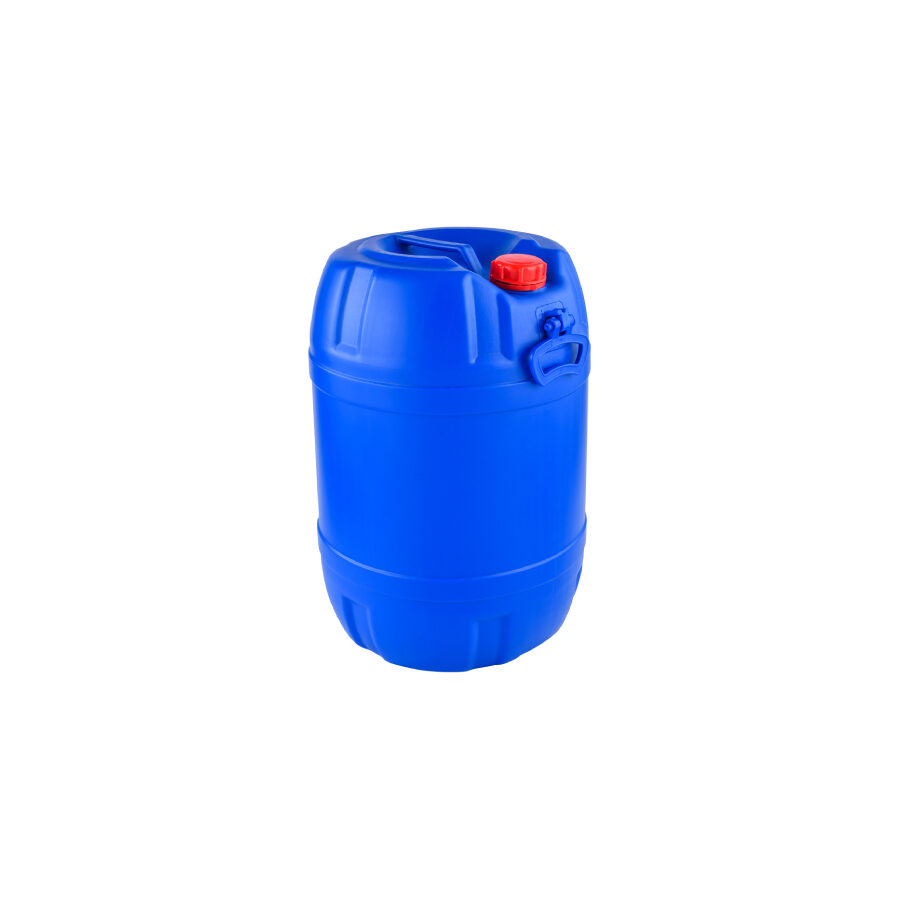
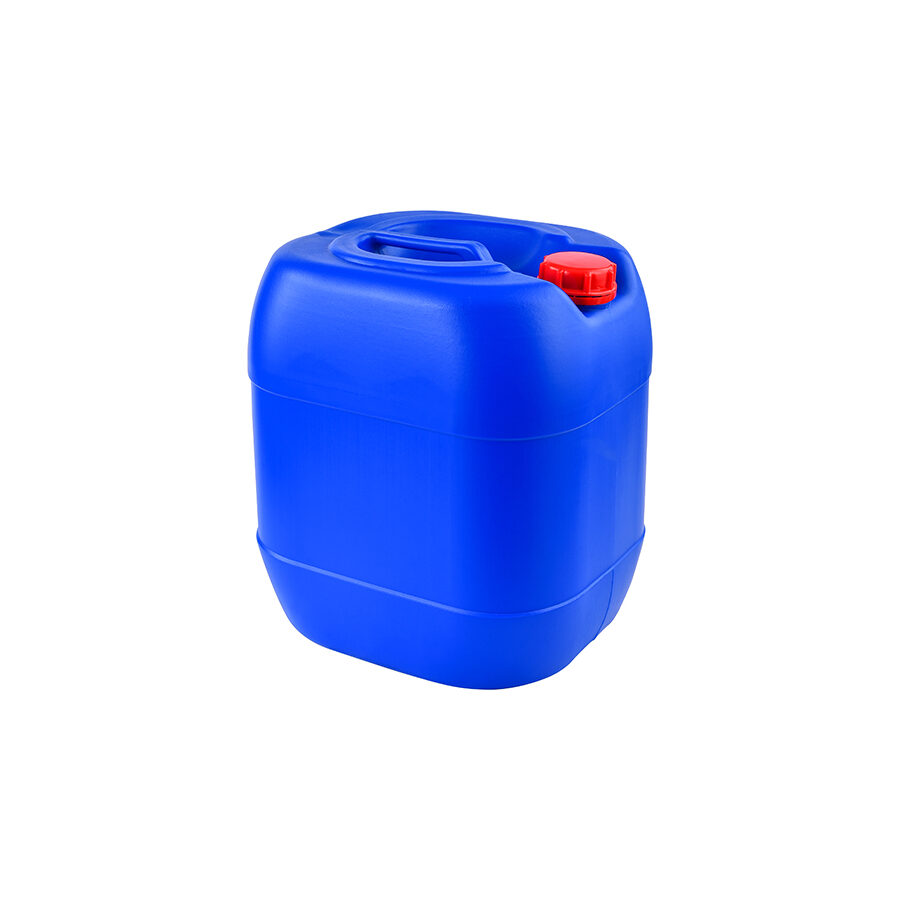
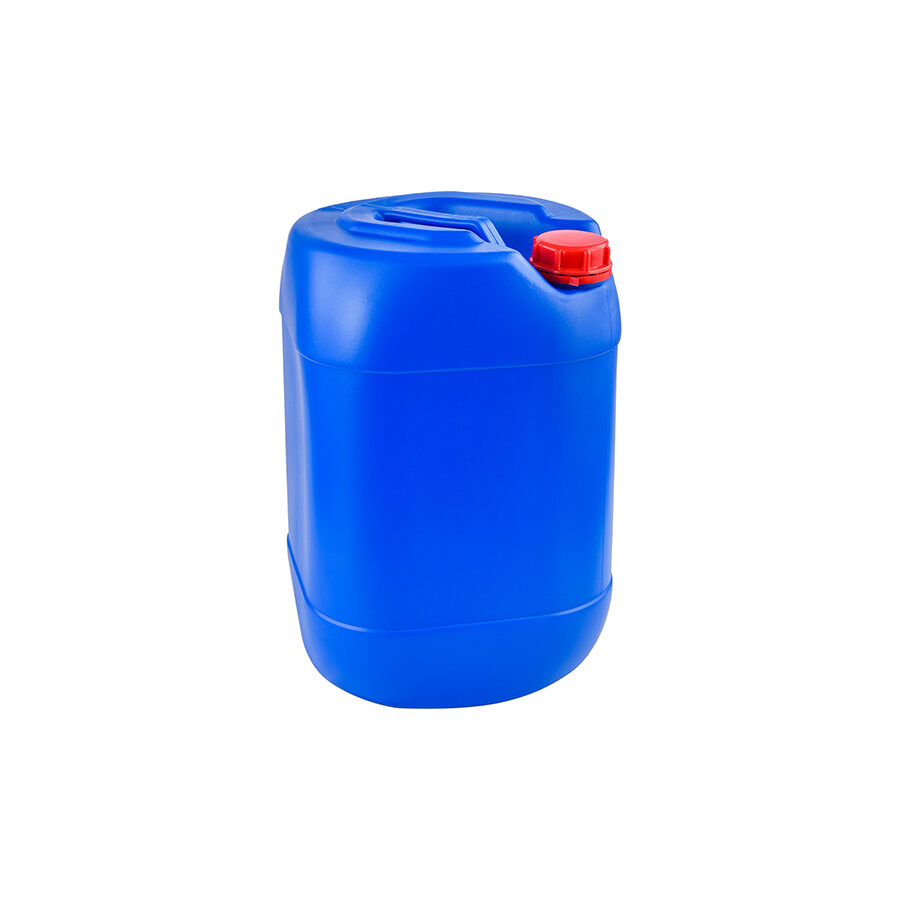
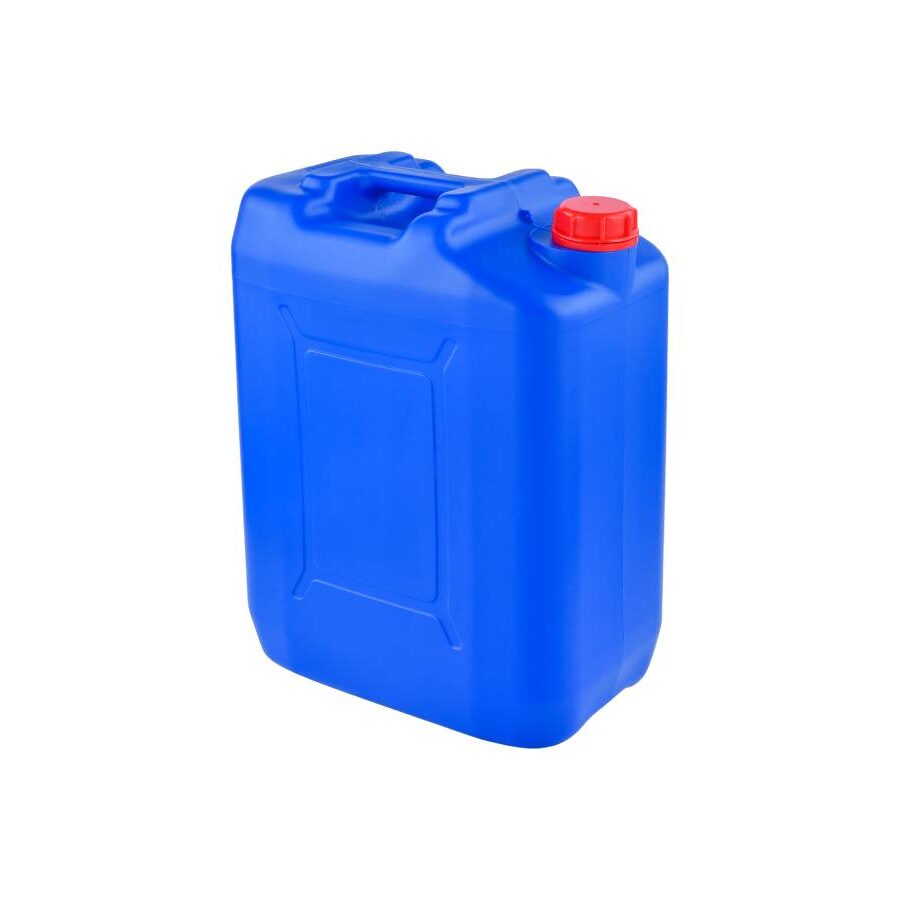
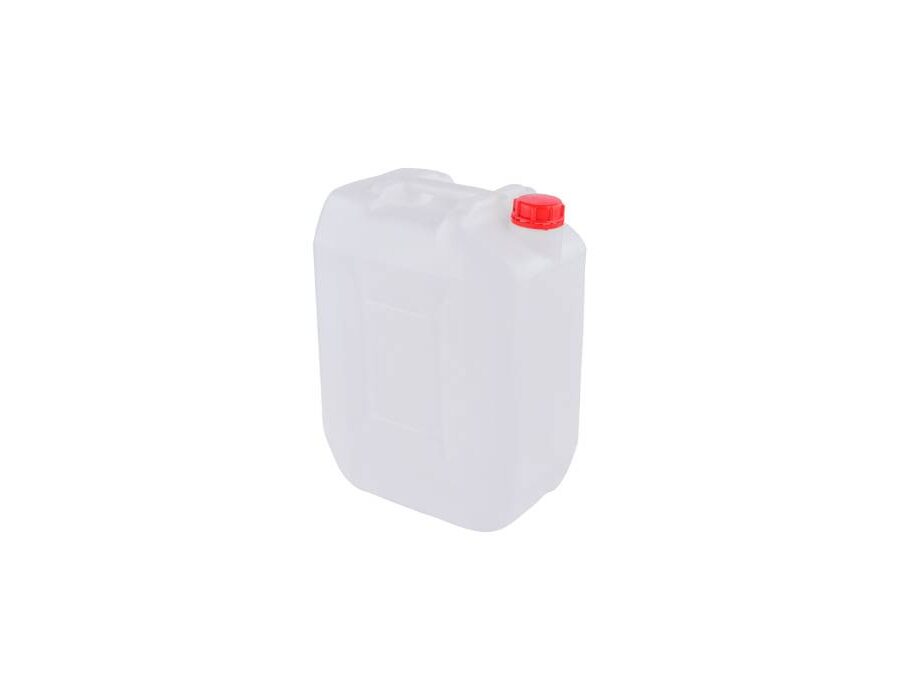
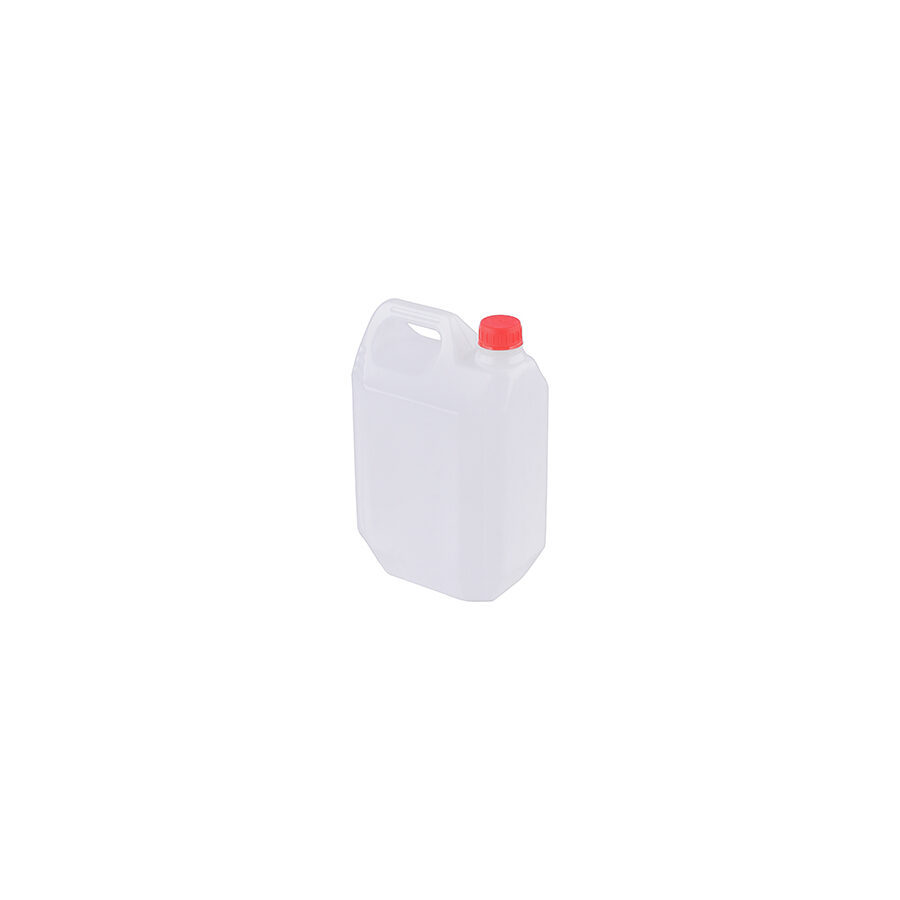
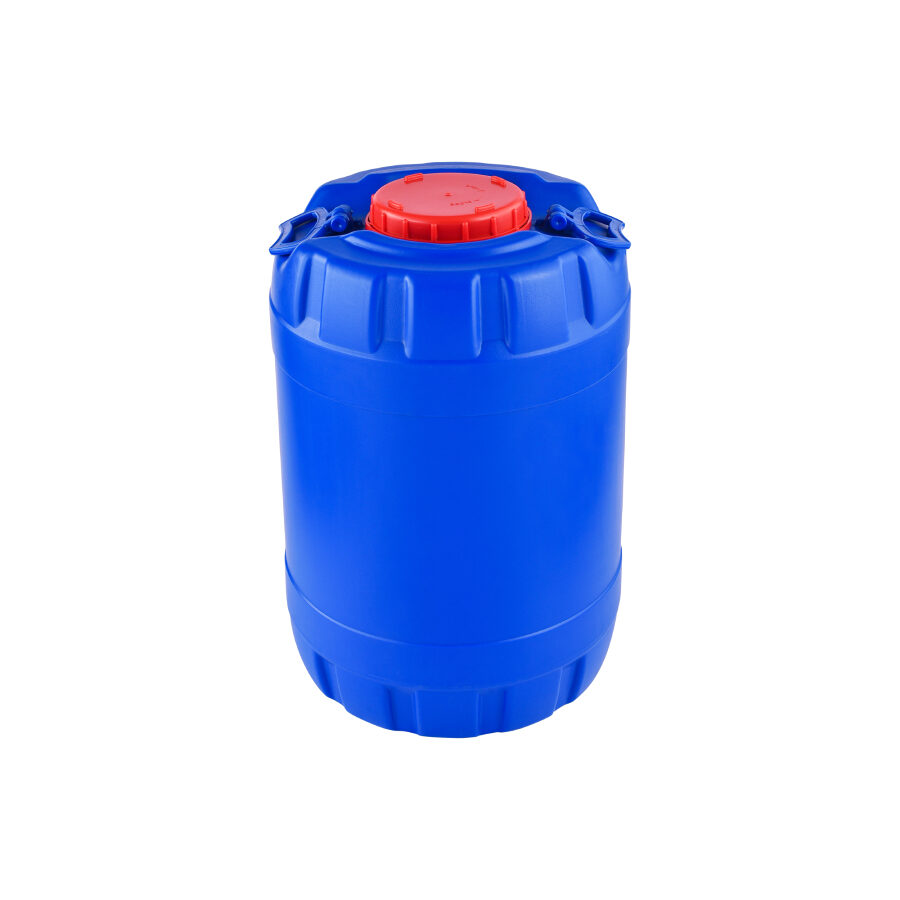
Sharda Containers, a leading manufacturer of industrial packaging solutions in India, leverages these intrinsic benefits to provide high-quality HDPE drums and jerry cans that meet the diverse needs of sectors ranging from chemicals to pharmaceuticals.
What Makes HDPE Different from Other Plastic Materials
High-Density Polyethylene (HDPE) is a thermoplastic polymer produced from the monomer ethylene, characterized by its high strength-to-density ratio. Its molecular structure, featuring minimal branching, allows polymer chains to pack tightly, resulting in a dense, rigid material that is ideal for industrial applications.
This distinct structure gives HDPE superior properties compared to other common plastics like Polypropylene (PP), Low-Density Polyethylene (LDPE), and Polyethylene Terephthalate (PET).
- Chemical Resistance: HDPE offers excellent resistance to a wide range of chemicals, acids, and alkalis, making it suitable for aggressive substances.
- Durability: Its high density and crystalline structure provide exceptional impact strength and rigidity, ensuring containers withstand rough handling.
- Weight Efficiency: Despite its strength, HDPE is lightweight, contributing to reduced transportation costs and easier handling compared to metal alternatives.
- Temperature Tolerance: HDPE maintains structural integrity across a broad temperature range, crucial for diverse Indian climates.
- Recyclability: As a Type 2 plastic, HDPE is widely recyclable, supporting circular economy initiatives and Extended Producer Responsibility (EPR) compliance.
The choice of material directly impacts a container’s lifespan and the total cost of ownership, making HDPE a strategic selection for long-term industrial use.
HDPE vs Alternative Packaging Materials for Indian Industries
Understanding the distinctions between HDPE and other common industrial packaging materials is crucial for informed procurement decisions. The following table provides a detailed comparison across key parameters relevant to Indian industrial buyers.
| Parameter | HDPE Containers | Metal Drums | Fiber Drums | PP Containers | LDPE Containers |
| Chemical Resistance (Acids/Alkalis) | Excellent for most; good for mild solvents | Excellent for many; reactive with some acids/bases | Poor, requires lining for liquids | Excellent for organic solvents, acids/bases | Good for many; poor for strong solvents |
| Weight (50L container) | Lightweight (approx. 2-3 kg) | Heavy (approx. 15-20 kg) | Very Lightweight (approx. 1-2 kg) | Lightweight (approx. 2-3 kg) | Lightweight (approx. 2-3 kg) |
| Temperature Tolerance Range | -50°C to +80°C (continuous) | -40°C to +150°C (material specific) | -20°C to +60°C (dry goods) | -20°C to +120°C (continuous) | -60°C to +60°C (continuous) |
| Average Lifespan (Cycles) | 15-20 years service life; multiple reuse cycles | 20+ years service life; many reuse cycles | Limited (often single-use) | 15-20 years service life; multiple reuse cycles | 5-10 years service life; fewer reuse cycles |
| Initial Cost per Unit | Moderate (lower than metal) | High | Low | Moderate (similar to HDPE) | Low (similar to HDPE) |
| Regulatory Compliance (Food/Pharma) | High (with virgin material & certifications) | High (with liners/coatings) | Low (requires specialized liners) | High (with virgin material & certifications) | Moderate (less rigid, specific uses) |
| Recyclability & Sustainability | Recyclable (Type 2); supports EPR | Highly recyclable metal; energy intensive | Recyclable fiber; biodegradable | Recyclable (Type 5); supports EPR | Recyclable (Type 4); supports EPR |
| Transportation Cost Impact | Low (due to lightweight) | High (due to heavy weight) | Very Low (due to very lightweight) | Low (due to lightweight) | Low (due to lightweight) |
Chemical Resistance: Why HDPE Handles Aggressive Substances
HDPE containers are highly preferred in Indian industries for their robust chemical resistance, making them suitable for storing and transporting a diverse range of aggressive substances. The tight molecular structure of HDPE inhibits chemical permeation and container degradation, ensuring product purity and safety.
HDPE offers excellent compatibility with many substances, including acids, bases, alcohols, oils, and detergents. For instance, both HDPE and LDPE show little to no damage after 30 days in 20% hydrochloric acid at 20°C–50°C. This makes them indispensable for:
- Chemical Manufacturers: Storing industrial acids (sulfuric, hydrochloric), alkalis (sodium hydroxide), and various chemical intermediates.
- Lubricant Producers: Packaging motor oils, greases, and specialty lubricants without concern for material degradation or contamination.
- Pharmaceutical Companies: Housing solvents, reagents, and active pharmaceutical ingredients (APIs) where chemical inertness is paramount.
The cost of selecting an incompatible packaging material can be severe, leading to product contamination, leaks, loss of valuable inventory, and significant safety hazards, reinforcing HDPE’s value proposition.
Durability and Impact Resistance in Indian Operating Conditions
HDPE containers exhibit exceptional durability and impact resistance, crucial attributes for navigating the demanding operating conditions prevalent across Indian supply chains. These containers are engineered to withstand extreme temperatures and rough handling, ensuring product safety from plant to destination.
HDPE maintains its mechanical properties across a broad range, typically from -50°C to +80°C for continuous service, making it suitable for Indian warehouses and transportation, where temperatures can fluctuate from 5°C to over 45°C. This wide temperature tolerance prevents embrittlement in colder regions and deformation under intense summer heat, which can reach 50°C in many parts of India.
Furthermore, HDPE’s inherent impact resistance protects contents during repeated loading, unloading, and multi-modal transport, common in India’s diverse logistics networks. Its UV resistance also allows for outdoor storage without significant degradation, a vital feature given limited covered storage options in various industrial settings.
- Temperature Stability: HDPE containers are designed to perform reliably in ambient temperatures, resisting distortion and degradation even during prolonged exposure to direct sunlight in transport.
- Shock Absorption: The material’s flexibility and strength absorb shocks and impacts, minimizing the risk of leaks or damage during transit over uneven roads or through complex distribution channels.
- UV Resistance: Special additives can enhance HDPE’s UV resistance, extending its lifespan and maintaining structural integrity when containers are stored outdoors for extended periods.
- Stacking Strength: The rigidity of HDPE allows for secure stacking, optimizing warehouse space and transportation efficiency, even with heavy liquid contents.
This resilience ensures that products reach their destination intact, even after enduring the rigors of tier-2 and tier-3 distribution networks across India. Explore Learn more.
Cost-Effectiveness: The Total Ownership Economics
The preference for HDPE containers among Indian industries is significantly driven by their superior total ownership economics, offering substantial long-term savings beyond initial purchase price. Sharda Containers often recommends a Total Cost of Ownership (TCO) Framework for Industrial Packaging to truly assess value.
This framework reveals that HDPE containers can deliver 34-41% lower TCO than metal drums over a five-year period for Indian manufacturers, a counterintuitive finding procurement teams often miss when focusing solely on upfront costs.
- Acquisition Cost (Layer 1): HDPE drums are typically nearly half the price of metal drums of the same size. While fiber drums offer a lower initial outlay, they often lack the durability and reusability for liquid products.
- Operational Cost (Layer 2): The lightweight nature of HDPE significantly reduces transportation costs. Lighter containers mean more product can be shipped per vehicle, leading to improved fuel efficiency and optimized loading capacity. Furthermore, HDPE is easy to clean and requires minimal maintenance, reducing labor and material costs associated with upkeep compared to metal drums that may require reconditioning or painting.
- Lifecycle Cost (Layer 3): Quality HDPE containers from manufacturers like Sharda Containers are designed for multiple reuse cycles, extending their effective lifespan. While there’s no universal cycle count, HDPE water tanks typically have an estimated service life of 15-20 years with proper care. This reusability drastically lowers replacement frequency and associated procurement expenses.
By considering these three layers—acquisition, operational, and lifecycle costs—Indian industries recognize HDPE as a strategic investment that maximizes value and optimizes budget allocation for packaging.
Regulatory Compliance and Food-Grade Certifications
Adherence to regulatory standards is non-negotiable for Indian industries, particularly in sectors like food, pharmaceuticals, and chemicals. HDPE containers excel in meeting these stringent requirements, ensuring product safety and market access.
For applications involving foodstuffs, pharmaceuticals, and drinking water, HDPE material must conform to specific Bureau of Indian Standards (BIS) norms, such asIS 10146:1982, which outlines polyethylene for safe contact use. Additionally, the finished containers undergo testing methods specified in IS 2798:1998 for performance criteria like drop and stack resistance.
- BIS Standards: Compliance with IS 10146 for raw material and IS 2798 for container performance is essential for local market acceptance.
- UN Certification: For hazardous materials destined for export, HDPE drums can be UN-certified, confirming their ability to safely contain dangerous goods for international transport.
Failure to comply with these standards can result in legal penalties, product recalls, and severe reputational damage, making certified HDPE containers a critical choice for responsible manufacturers.
Sustainability and Recyclability Advantages
In an era of increasing environmental consciousness and stringent Extended Producer Responsibility (EPR) regulations, HDPE containers offer significant sustainability and recyclability advantages that align with India’s circular economy goals. HDPE is categorized as a Type 2 plastic, making it widely accepted in recycling streams.
India’s amended Plastic Waste Management framework mandates a shift towards mandatory recycled-plastic content. For rigid plastic (Category I), the required recycled content is 30% in FY 2025–26, rising to 40% in FY 2026–27, and 60% by FY 2028–29. This regulatory push increases demand for post-consumer HDPE reprocessed into new products, including new packaging.
Compared to single-use alternatives, the reusability of high-quality HDPE containers significantly reduces waste generation and lowers the overall carbon footprint. Life cycle assessments have shown that PE-based packaging often has a lower global warming potential than metal, glass, and aluminum alternatives due to its lightweight nature, which translates to fewer emissions during transport.
- High Recyclability: HDPE is readily recyclable into a variety of products, supporting closed-loop systems and reducing landfill waste.
- EPR Compliance: Utilizing and promoting HDPE recycling helps Indian businesses meet their Extended Producer Responsibility obligations under local regulations.
- Reduced Environmental Impact: The durability and reusability of HDPE minimize the need for new material production, contributing to corporate ESG (Environmental, Social, and Governance) goals.
- Demand for Recycled Content: The growing market for recycled HDPE (R-HDPE) allows businesses to incorporate sustainable materials into their supply chains.
By choosing HDPE, Indian industries can demonstrate their commitment to environmental stewardship without compromising on the performance and safety of their packaging solutions.
Key Takeaways
- HDPE is the preferred industrial packaging material in India due to its unique molecular structure providing superior chemical resistance, durability, and a high strength-to-weight ratio.
- HDPE containers offer exceptional chemical resistance to acids, alkalis, and many solvents, crucial for chemical, pharmaceutical, and lubricant industries, preventing costly contamination and product loss.
- These containers demonstrate robust durability and impact resistance, performing reliably across India’s diverse climate conditions and demanding logistics networks, including multi-modal transport.
- The Total Cost of Ownership (TCO) for HDPE containers is significantly lower than metal drums over a 5-year period (34-41% savings), driven by lower initial costs, reduced transportation expenses, and extensive reusability.
- Aligned with India’s circular economy and EPR regulations, HDPE’s high recyclability and potential for incorporating post-consumer recycled content support corporate sustainability goals.
Conclusion: Making the Right Packaging Decision for Your Industry
The undeniable preference for HDPE plastic containers across Indian industries is a testament to their multifaceted advantages. From unparalleled chemical resistance and robust durability to compelling cost-effectiveness and alignment with critical regulatory and sustainability mandates, HDPE stands out as the optimal choice for bulk liquid and semi-liquid industrial products. Explore Learn more.
For procurement managers, plant heads, and supply chain professionals, selecting the right packaging material is a strategic decision impacting every facet of operations. The comprehensive benefits of HDPE, particularly its superior TCO, make it an indispensable asset in modern industrial supply chains.
When evaluating HDPE container manufacturers, it is crucial to prioritize quality indicators such as ISO and BIS certifications, proven chemical compatibility, and a transparent manufacturing process. Partnering with established manufacturers like Sharda Containers ensures access to consistent quality, reliable supply, and tailored solutions that meet specific operational requirements. By making informed packaging choices, Indian industries can enhance product safety, optimize logistics, and contribute to a more sustainable future.
Key Terms Glossary
High-Density Polyethylene (HDPE): A strong, rigid, and chemically resistant thermoplastic polymer widely used for industrial packaging due to its high strength-to-density ratio.
Total Cost of Ownership (TCO): A comprehensive financial estimation that includes the initial purchase price, operational costs, and lifecycle costs of an asset over its lifespan, providing a true economic value.
Bureau of Indian Standards (BIS): India’s national standards body responsible for developing and enforcing quality and safety standards for products, including packaging materials.
Extended Producer Responsibility (EPR): A policy approach under which producers are given significant responsibility for the treatment or disposal of post-consumer products, driving recycling and waste reduction.
UN Certification: A globally recognized standard issued by the United Nations for packaging designed to safely transport hazardous materials by air, sea, or road.
Virgin HDPE: High-Density Polyethylene material that has not been previously processed or used, ensuring optimal purity, performance, and regulatory compliance for critical applications.
Chemical Compatibility: The ability of a material, such as HDPE, to resist degradation or reaction when exposed to specific chemicals, ensuring the integrity of both the container and its contents.
FAQs
Q1. What chemicals can be safely stored in HDPE plastic containers?
HDPE containers can safely store a wide range of chemicals, including industrial acids like sulfuric and hydrochloric acid, strong alkalis such as sodium hydroxide, and various petroleum products like lubricants and solvents. However, HDPE is generally not recommended for strong oxidizing agents or aromatic hydrocarbons at high concentrations, as these can cause degradation.
Q2. How long do HDPE containers last in industrial use?Toggle title
Quality HDPE containers have an estimated service life of 15-20 years under normal conditions, and they can withstand multiple reuse cycles when properly handled and maintained. Factors like prolonged UV exposure, the specific type of chemical stored, and handling practices significantly influence their overall lifespan.
Q3. Why are HDPE containers more cost-effective than metal drums?
HDPE containers are more cost-effective than metal drums primarily due to significantly lower initial purchase prices, reduced transportation costs from their lightweight nature, and minimal maintenance requirements. Their extended reusability further lowers replacement frequency, contributing to a lower Total Cost of Ownership over time.
Q4. Can HDPE containers withstand Indian summer temperatures during transportation?
Yes, quality HDPE containers are designed to withstand a broad temperature range, typically from -50°C to +80°C for continuous service, making them suitable for Indian summer temperatures. They maintain structural integrity in conditions up to 45-50°C, common in Indian logistics, especially when manufactured with UV stabilizers.
What is the difference between virgin HDPE and recycled HDPE containers?
Virgin HDPE containers are made from new resin, offering superior chemical resistance, durability, and consistent performance, essential for food-grade and pharmaceutical applications. Recycled HDPE, while sustainable, may have reduced performance characteristics and regulatory limitations for direct food or pharma contact, making virgin material the preferred choice for critical applications.