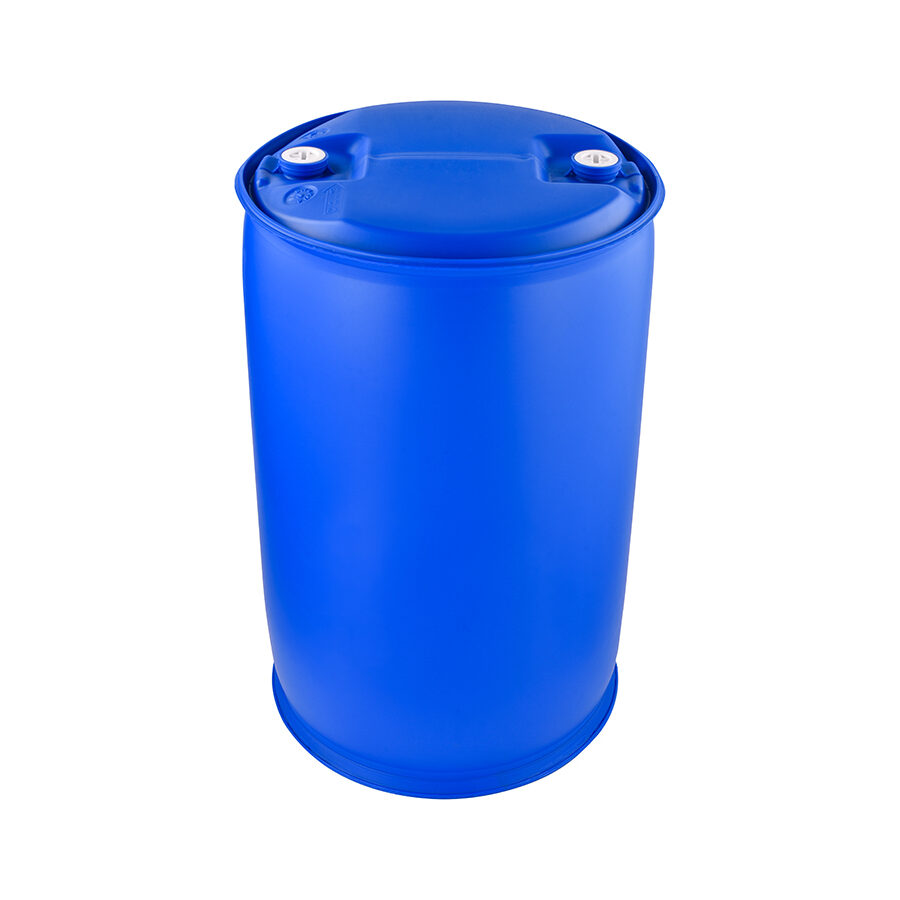
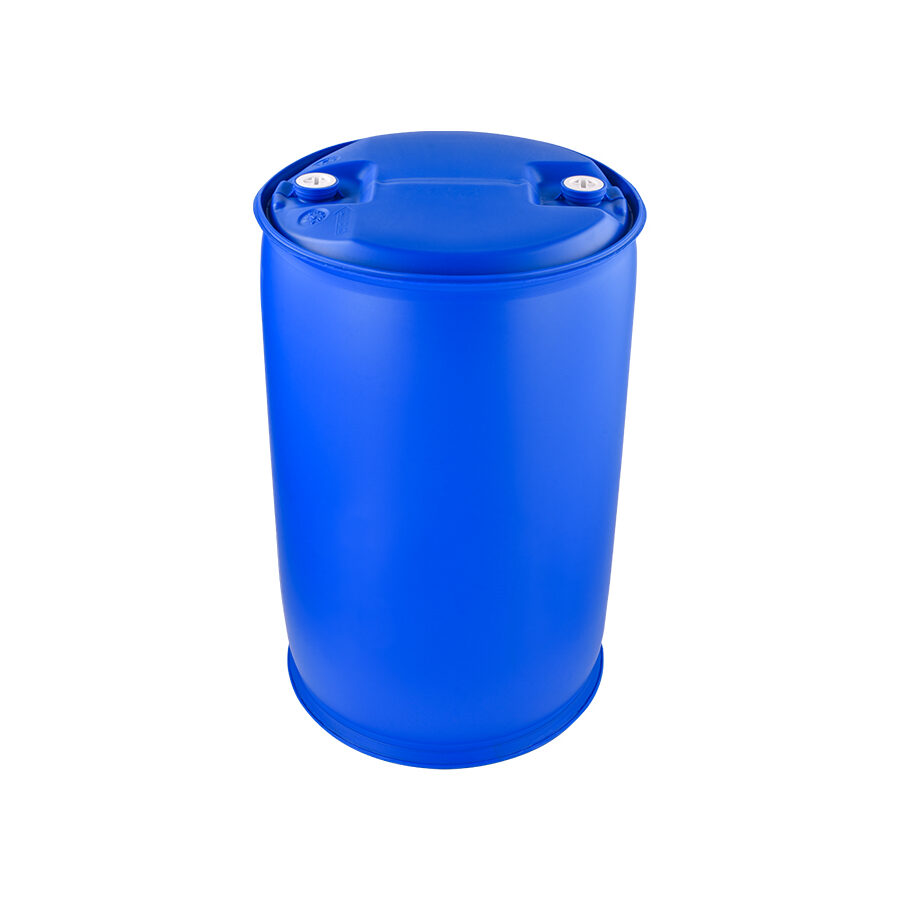
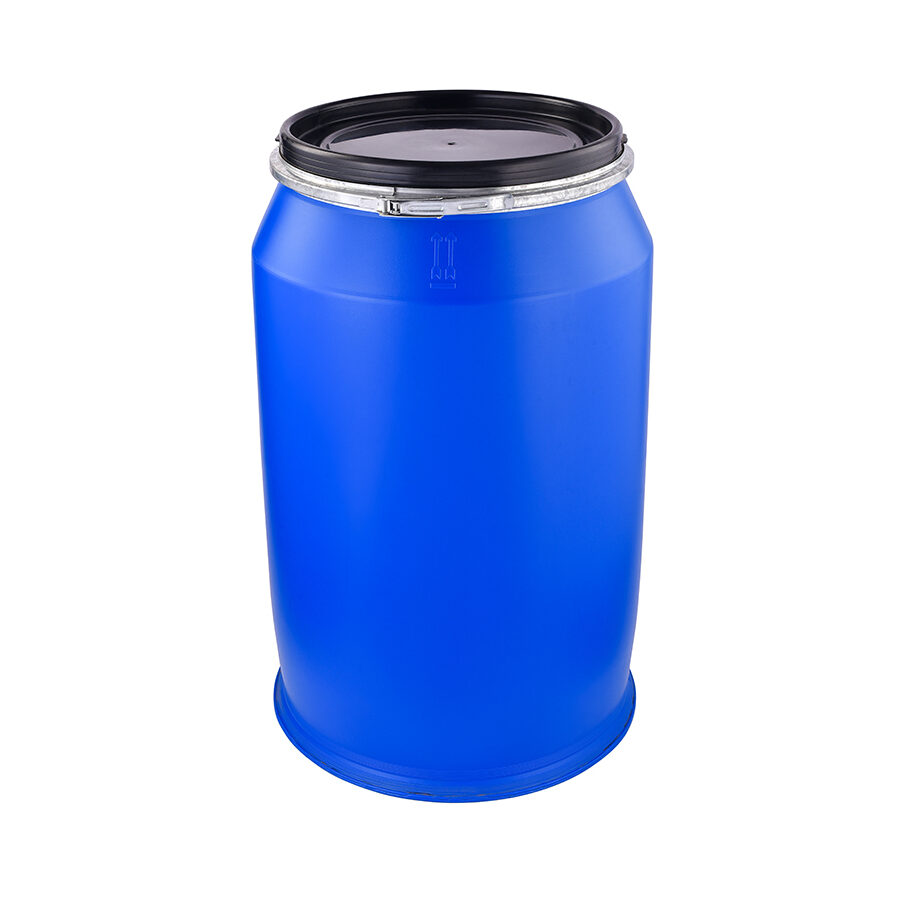
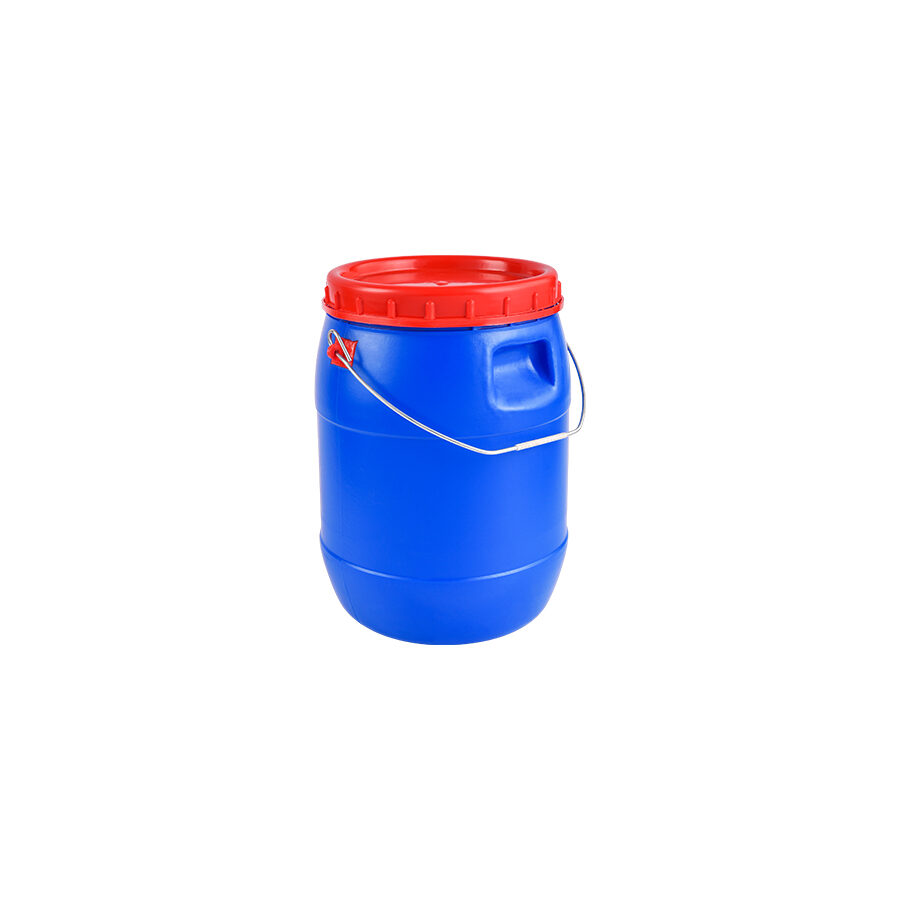
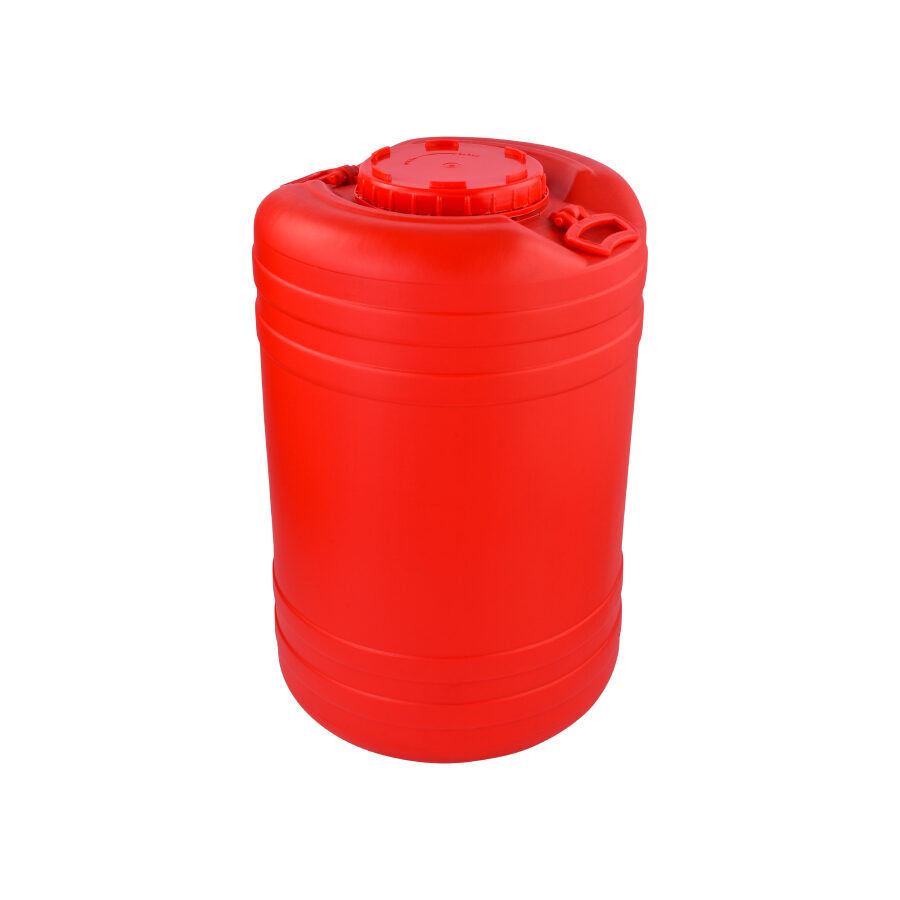


Where to Find Bulk HDPE Drums at Best Price in India

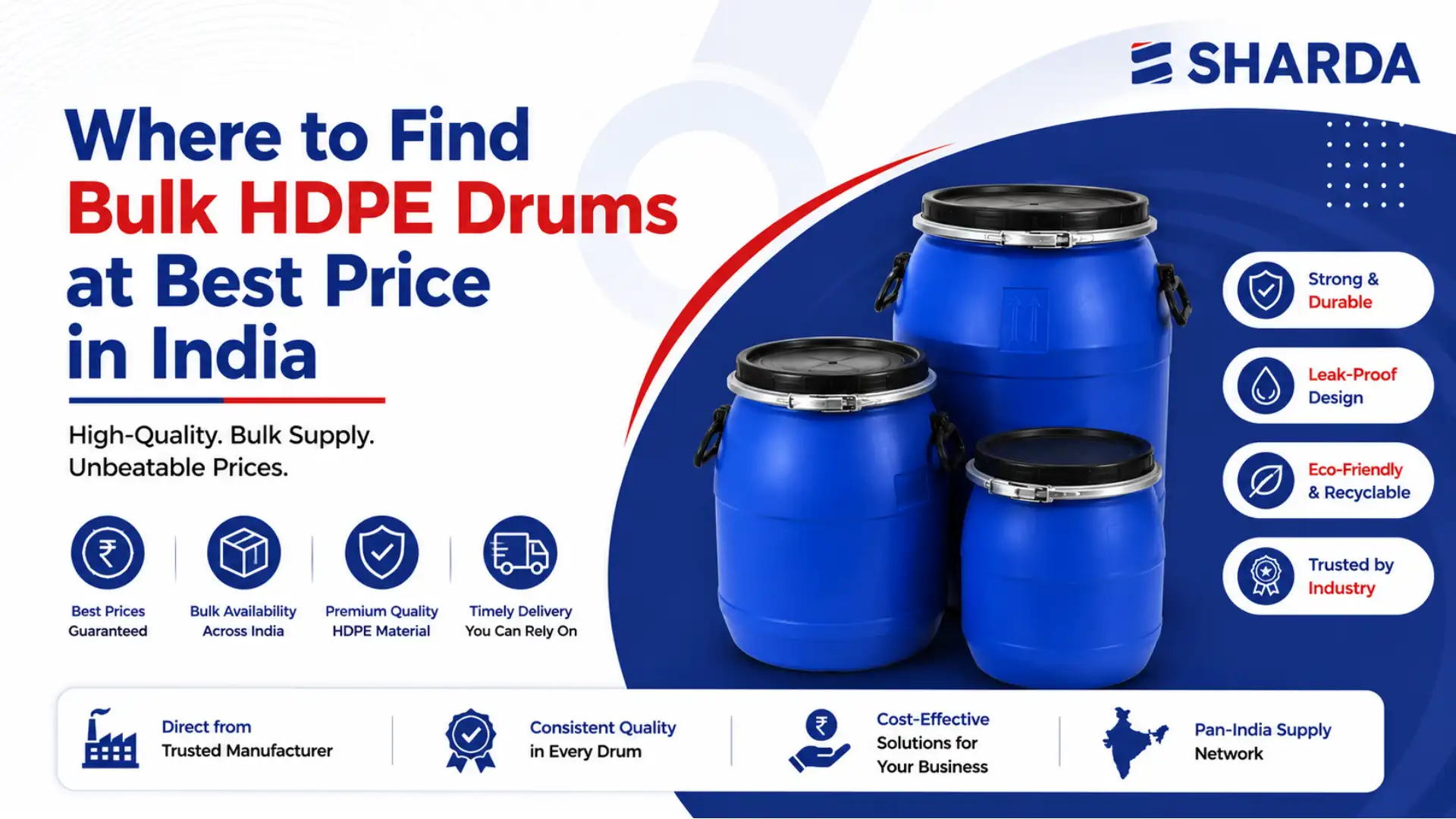
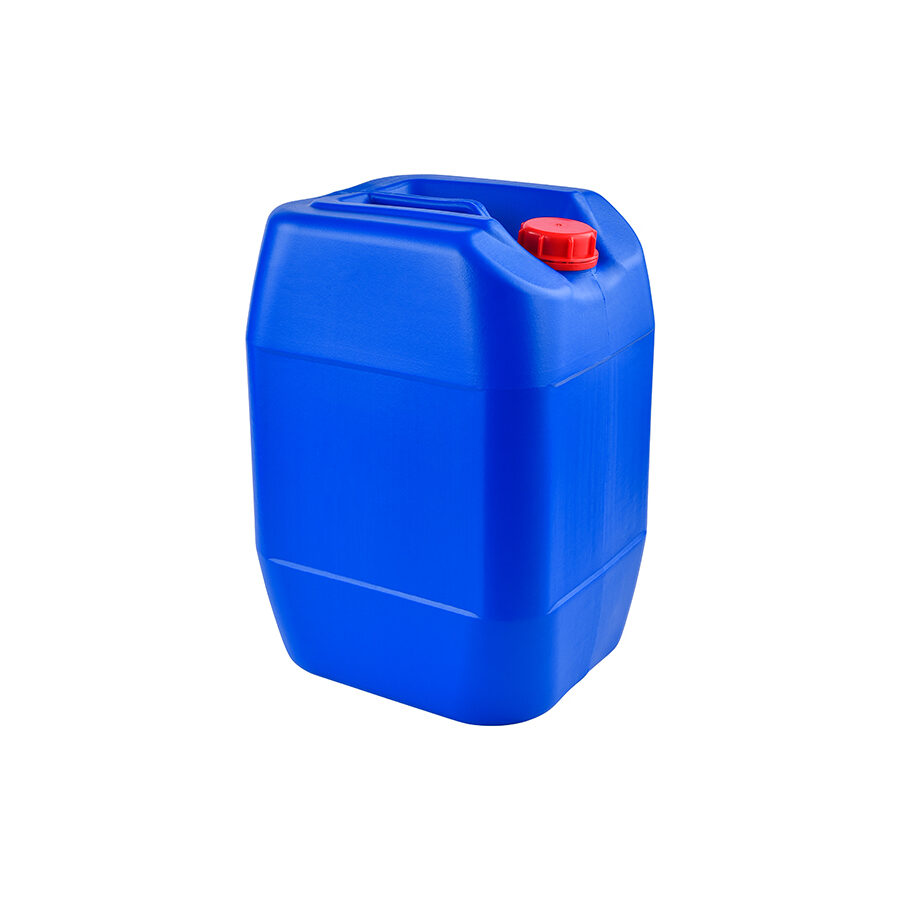
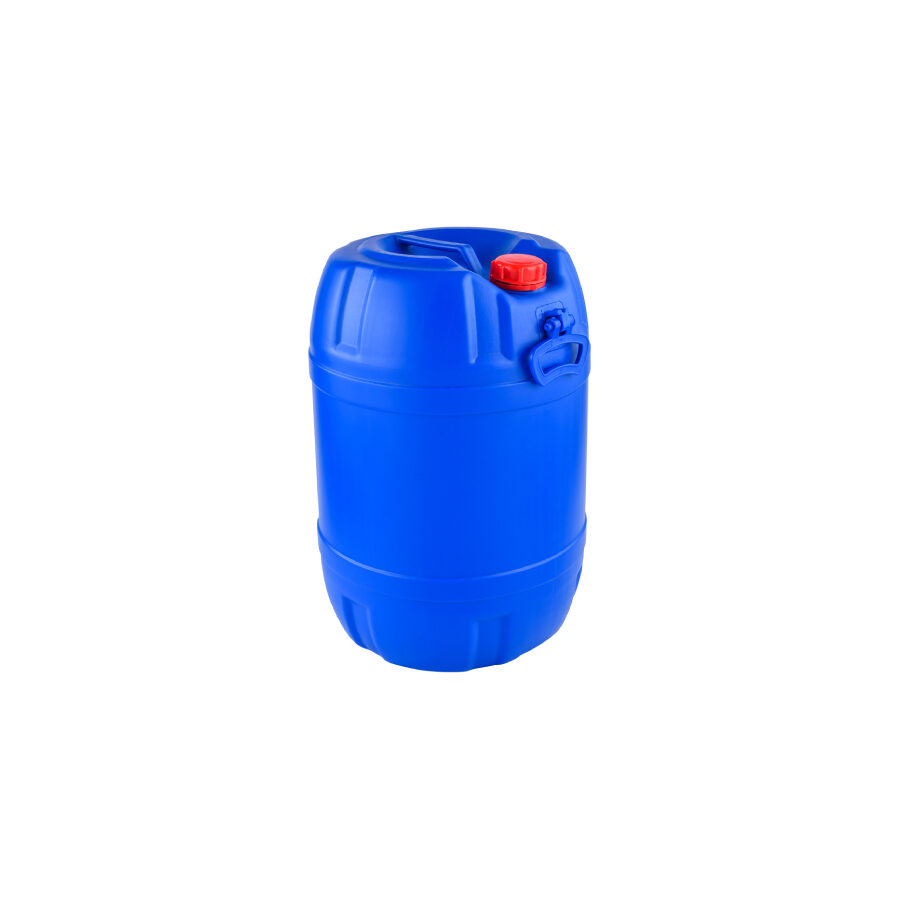
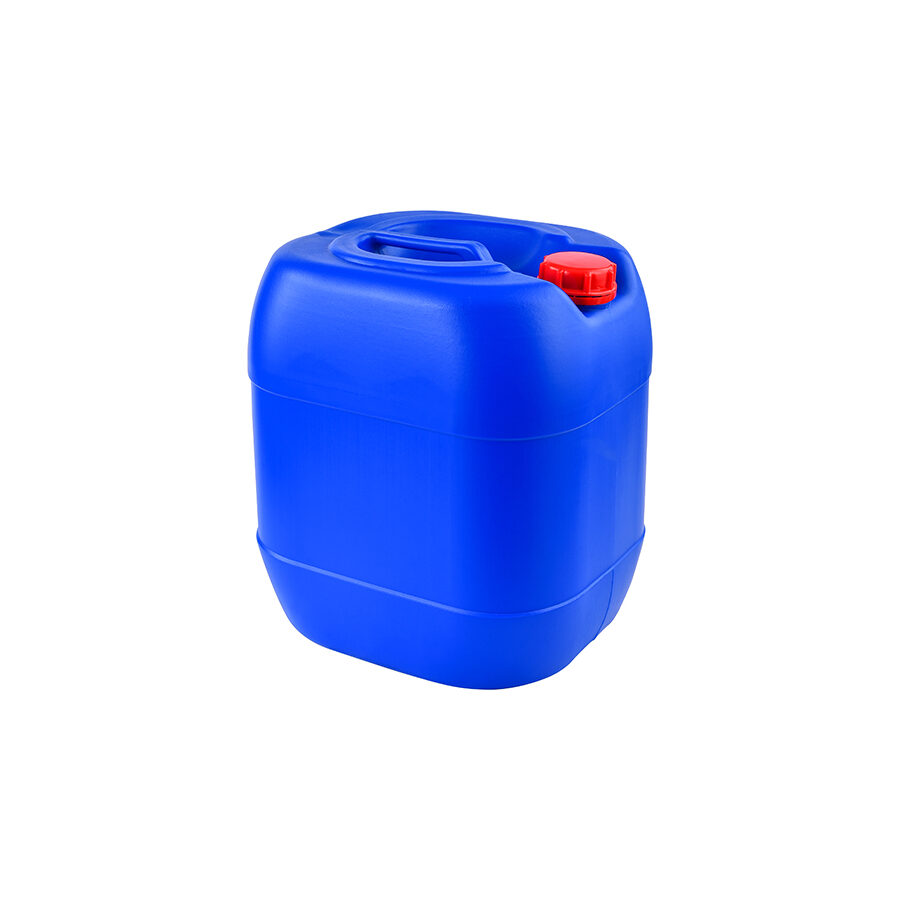
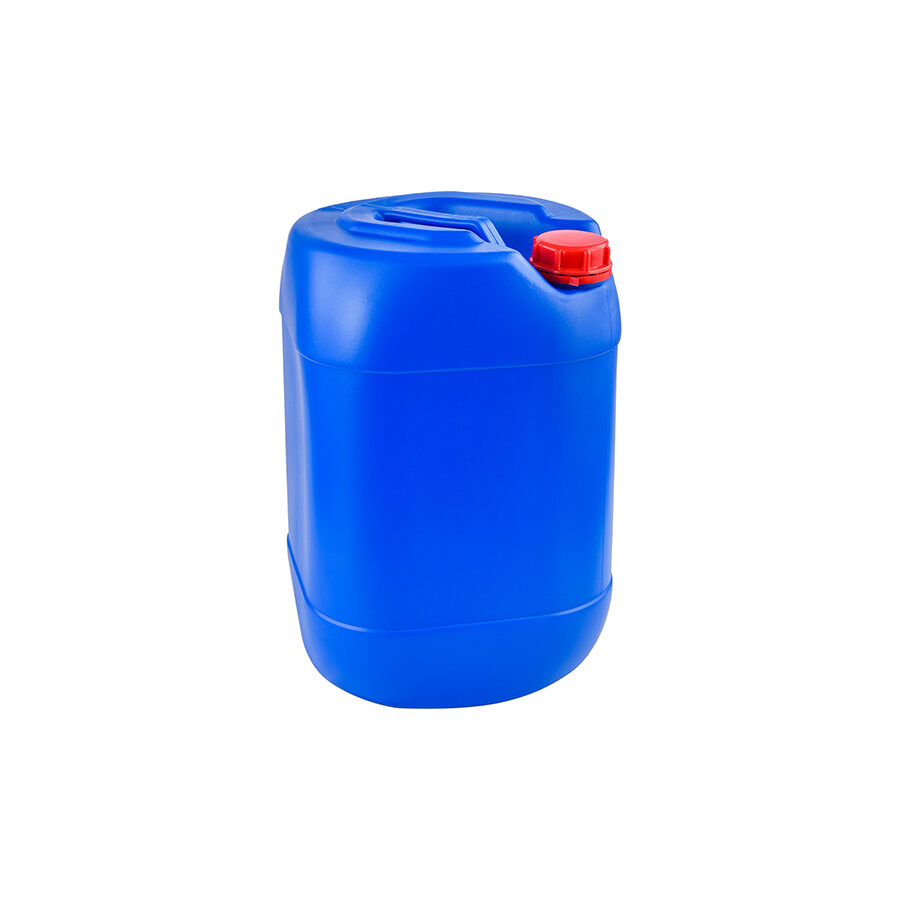
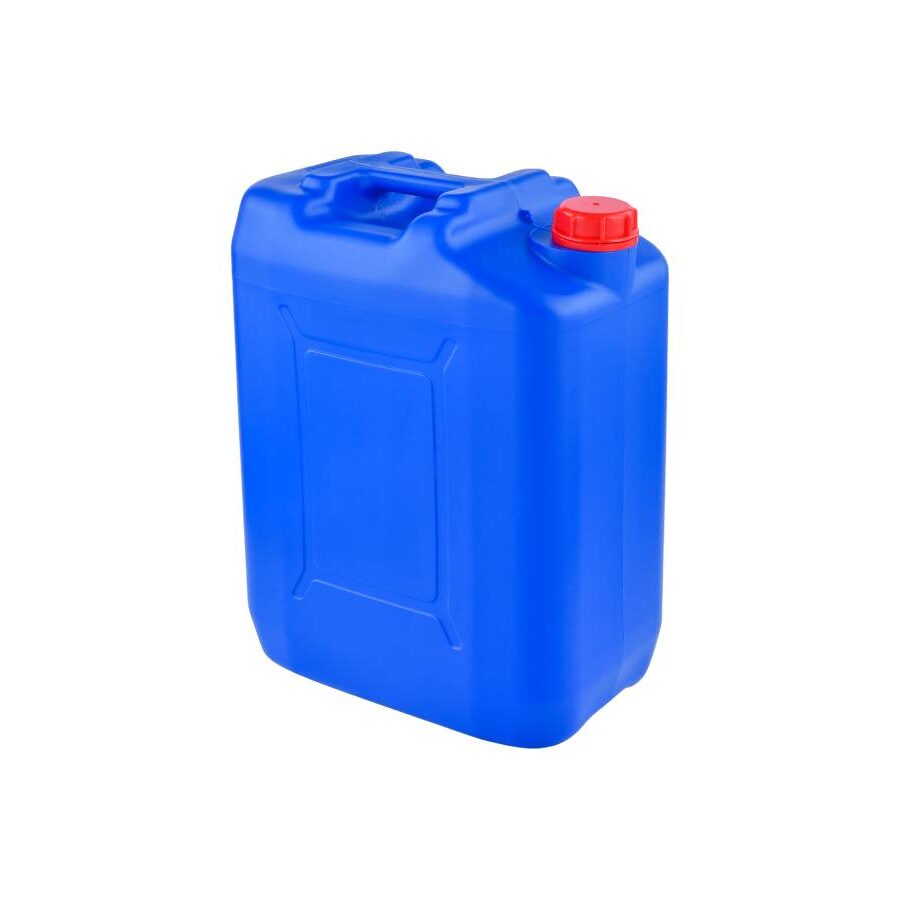
Procuring bulk HDPE drums at the best price in India requires a strategic approach that extends beyond the initial per-unit cost. Manufacturers must consider the total cost of ownership to optimize their industrial packaging budgets effectively. This comprehensive guide details optimal sourcing channels, critical evaluation criteria, and negotiation tactics for securing high-quality, cost-effective HDPE drums.
Understanding the nuances of the Indian HDPE drum market will empower procurement managers to make informed decisions that impact operational efficiency and product integrity. By focusing on factors beyond just the sticker price, businesses can achieve significant long-term savings and ensure reliable supply.
1. Why Bulk HDPE Drum Sourcing Matters for Indian Manufacturers
Smart bulk drum procurement significantly impacts a manufacturer’s bottom line, directly influencing operational costs and supply chain stability. Inefficient purchasing can inflate packaging budgets by 15-30%, eroding profit margins.
The “best price” for HDPE drums encompasses more than just the lowest per-unit cost; it reflects a balance of quality, reliability, and total value. The Indian HDPE drum market in 2026 is characterized by increasing demand, particularly for 200-250 liter drums, with a projected market growth at a 5.0% CAGR from 2026 to 2033.
2. Understanding True Cost: Beyond the Sticker Price
The initial purchase price of an HDPE drum often belies its true cost. Hidden expenses can significantly inflate the total expenditure over the drum’s lifecycle, often adding 60-150% to the acquisition cost over the lifetime of industrial equipment.
Ignoring these factors can lead to unforeseen financial drains and operational inefficiencies. A holistic view, considering all associated costs, is crucial for effective procurement.
The Total Cost of Ownership (TCO) Framework for Industrial Packaging
The TCO framework for industrial packaging provides a proprietary 4-factor calculation model that reveals why seemingly “cheapest” bulk HDPE drums often cost 23-35% more over 12 months. This model accounts for replacement rates, product contamination incidents, logistics failures, and operational downtime. It challenges the conventional focus on per-unit sticker price by demonstrating how mid-tier pricing from quality manufacturers like Sharda Containers can deliver 18-28% better TCO than bottom-tier suppliers.
This framework includes specific formulas for calculating hidden costs per drum:
- Replacement Cost Factor: (Annual Replacement Rate) x (Drum Unit Price) x (Labor Cost for Handling & Replacement). Low-quality drums have a higher risk of deformation and leaks, leading to more frequent replacements.
- Product Contamination Cost: (Contamination Incident Rate) x (Value of Contaminated Product) + (Cleanup & Disposal Costs). Inferior quality drums may compromise product integrity, especially for sensitive chemicals or food-grade materials.
- Logistics Failure Cost: (Number of Damaged Shipments) x (Freight Cost per Shipment) + (Product Loss) + (Reprocessing Time). Drums with poor structural integrity can lead to spills and damage during transit, impacting freight efficiency.
- Operational Downtime Cost: (Hours of Downtime due to Drum Failure) x (Hourly Operational Cost). Leaks or drum failures can halt production, incurring significant costs.
By applying this TCO framework, procurement teams can clearly see how a slightly higher upfront investment in quality HDPE drums from a reliable supplier like Sharda Containers translates into substantial savings and increased operational efficiency over time.
Hidden Costs in Bulk Drum Procurement
Several hidden costs can accumulate, making an initially inexpensive drum purchase ultimately more costly. These factors extend beyond the basic per-unit price.
- Freight and Logistics: Transportation costs, especially for bulk items, can be substantial. Poorly stacked or damaged drums increase freight costs and lead to product loss. Freight can account for 5-12% of COGS in Indian manufacturing.
- Storage and Handling: Inefficient drum designs or inconsistent quality can complicate warehousing and manual handling, increasing labor and space costs.
- Quality Failures: Leaks, cracks, or material degradation can lead to product loss, contamination, and costly clean-ups. For sensitive materials, this risk is paramount.
- Replacement Cycles: Drums made from lower-grade materials have shorter lifespans, necessitating more frequent and costly replacements.
- Compliance and Safety: Non-compliant drums can lead to regulatory fines, safety incidents, and reputational damage, especially for hazardous materials.
How Drum Quality Directly Impacts Product Safety and Logistics Efficiency
The quality of an HDPE drum directly correlates with its performance in maintaining product safety and logistics efficiency. High-quality drums, made from virgin HM/HDPE raw materials, offer superior chemical resistance, durability, and leak-proof performance, ensuring safe handling of various substances. This is critical for industries such as pharmaceuticals, chemicals, and food & beverages.
Conversely, cheap drums, often made from recycled or mixed plastics, pose significant risks. They are more prone to failure, which can result in product contamination, spills, and safety hazards, leading to increased cleanup costs and potential regulatory penalties. Moreover, the structural integrity of quality drums contributes to better stacking stability and reduced damage during transit, optimizing logistics. Lower quality drums often have higher replacement rates in harsh or repeated-use settings.
3. Top 5 Sources for Bulk HDPE Drums in India
Identifying reliable sources is paramount for procurement managers seeking bulk HDPE drums. Each channel offers distinct advantages and disadvantages depending on volume, customization needs, and budget constraints.
While online marketplaces offer broad access, direct manufacturers often provide the best value for bulk orders. Explore Learn more.
1. Direct Manufacturers like Sharda Containers: Benefits of Factory-Direct Pricing and Customization
Direct manufacturers, such as Sharda Containers, offer the most compelling value proposition for bulk purchasers. By eliminating intermediaries, they provide factory-direct pricing, which can be significantly lower than through distributors. This direct relationship also facilitates comprehensive customization.
- Cost Savings: Bypass distributor markups, securing a more competitive per-unit price.
- Customization: Directly request specific colors, branding, dimensions, or specialized features for unique industrial requirements.
- Quality Control: Direct oversight of manufacturing processes ensures consistent quality and adherence to specifications.
- Technical Support: Access to expert technical guidance and support directly from the production team.
2. Regional Distributors and Stockists: When They Make Sense for Smaller Volumes
Regional distributors and stockists serve as an accessible option, particularly for manufacturers requiring smaller volumes or immediate delivery. They typically maintain local inventories, offering quicker turnaround times.
- Accessibility: Local presence allows for faster procurement and reduced transportation lead times.
- Flexibility: Lower minimum order quantities (MOQs) compared to direct manufacturers.
- Variety: Often stock products from multiple manufacturers, offering a broader range of options.
3. Online B2B Marketplaces: Pros, Cons, and Price Transparency Issues
Online B2B marketplaces like IndiaMART and TradeIndia have revolutionized procurement by providing extensive listings of suppliers. These platforms are excellent for initial price discovery and supplier benchmarking, though prices for the same capacity drum can vary widely.
- Broad Reach: Access to a vast number of suppliers across India.
- Price Comparison: Facilitates easy comparison of listed prices from various vendors.
- Transparency Issues: Quality verification can be challenging, and listed prices may not reflect the full landed cost or actual bulk discounts.
4. Industrial Packaging Trade Shows and Exhibitions for Bulk Procurement
Trade shows provide a unique opportunity for face-to-face interactions with multiple suppliers, allowing for direct negotiation and physical inspection of product samples. These events are invaluable for discovering new technologies and forging strategic partnerships.
- Direct Interaction: Opportunity to meet suppliers, discuss requirements, and negotiate terms in person.
- Product Inspection: Physically assess drum quality, material, and build before committing to large orders.
- Industry Insights: Stay updated on market trends, innovations, and new product launches.
5. Packaging Cooperatives and Group Buying Networks
For smaller manufacturers, joining packaging cooperatives or group buying networks can unlock bulk pricing advantages typically reserved for larger enterprises. These networks aggregate demand, negotiating better terms with suppliers.
- Volume Discounts: Access to lower prices through collective bargaining power.
- Reduced Risk: Shared knowledge and supplier vetting within the group can mitigate procurement risks.
- Simplified Procurement: Streamlined purchasing processes through established network agreements.
Below is a comparison of these sourcing channels:
This table compares different sourcing channels for bulk HDPE drums in India, helping procurement professionals evaluate which option delivers the best total value for their specific volume and quality requirements.
| Sourcing Channel | Price Range (per unit) | Minimum Order Quantity | Customization Available | Lead Time | Quality Assurance |
| Direct Manufacturer (Sharda Containers) | Competitive (15-25% lower than distributors for bulk) | Higher (typically 500-1000+ units) | High (full customization) | Moderate to Long (production cycle) | Highest (factory-controlled) |
| Regional Distributor/Stockist | Moderate (with markup) | Lower (typically 100-200 units) | Limited (standard products) | Short (off-the-shelf) | Moderate (supplier’s guarantee) |
| Online B2B Marketplace | Variable (wide range, initial pricing often not final) | Low to Moderate | Limited to Moderate | Variable | Requires buyer verification |
| Packaging Trade Show Suppliers | Negotiable (often competitive for bulk) | Moderate to High | Moderate to High | Variable (depends on manufacturer) | Good (direct discussion) |
| Import from International Suppliers | Potentially Lower (for very large volumes, subject to duties) | Very High (container loads) | High | Very Long (shipping + customs) | High (international standards) |
4. Sharda Containers: Factory-Direct Bulk Pricing Advantage
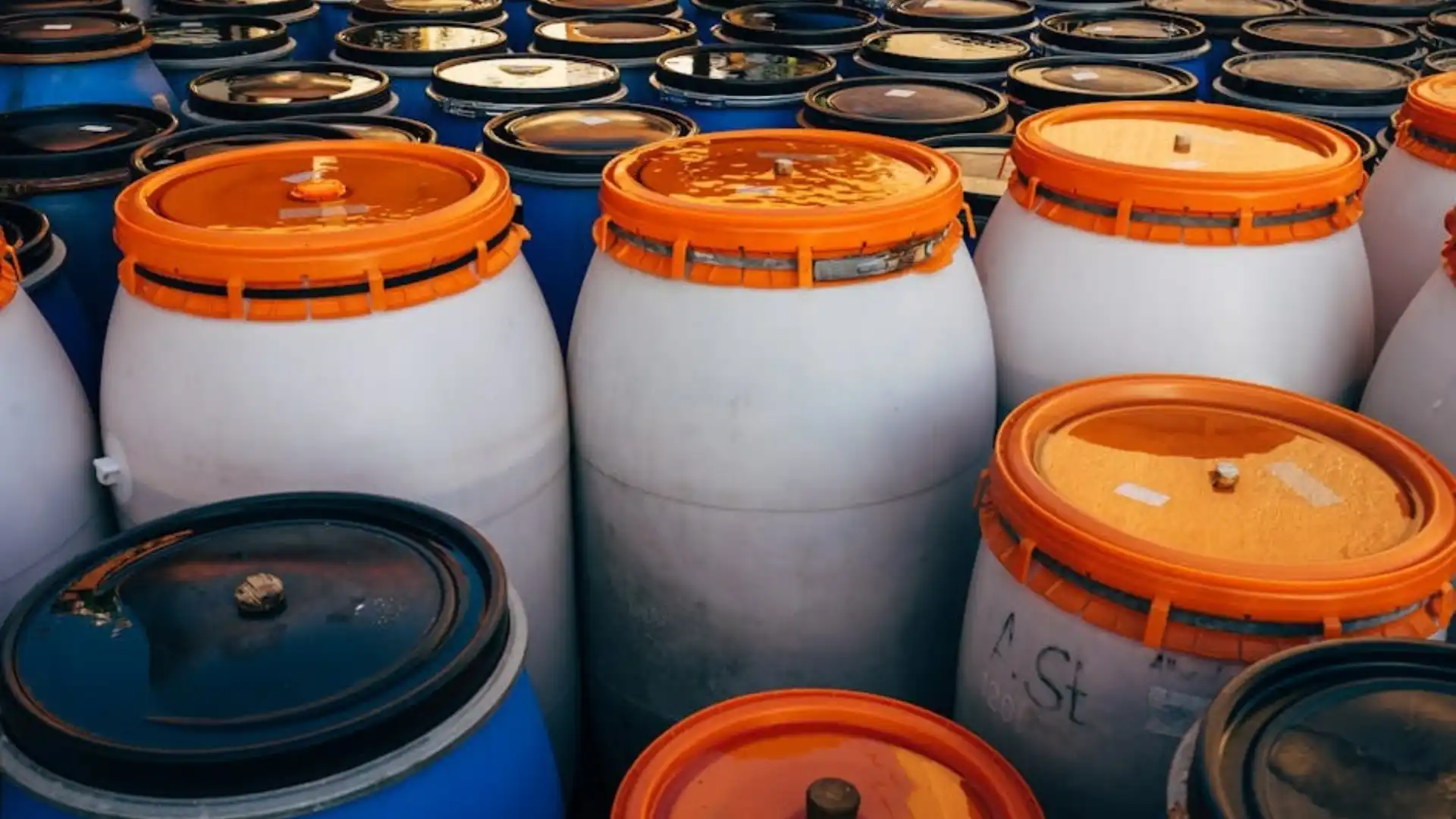
As a leading plastic drum manufacturer in India, Sharda Containers offers a significant factory-direct bulk pricing advantage by eliminating unnecessary middleman markups. This direct approach ensures that customers receive optimal value without compromising on quality.
Our commitment to manufacturing excellence, coupled with direct sales, allows us to provide some of the best prices in the market while upholding stringent quality standards.
How Sharda Containers Eliminates Middleman Markups with Direct Manufacturing
Sharda Containers operates on a direct-to-customer model, which cuts out the layers of distributors and retailers that typically add margins to the final product cost. This streamlined supply chain directly benefits our bulk buyers.
- Reduced Overhead: No commissions or additional profit margins for intermediaries.
- Cost Efficiency: Direct control over manufacturing processes allows for optimized production costs.
- Transparent Pricing: Clear pricing structures directly from the source, reflecting true production value.
Bulk Order Pricing Structure and Volume Discounts Explained
Our pricing structure is designed to reward bulk purchases, offering significant volume discounts that increase with order size. This tiered approach ensures that larger commitments translate into greater per-unit savings.
- Tiered Discounts: Price breaks at specific volume thresholds (e.g., 500, 1000, 5000+ units).
- Long-Term Contracts: Preferential pricing for customers committing to extended supply agreements.
- Customized Quotes: Tailored pricing based on specific drum type, size, customization, and delivery requirements.
Customization Capabilities for Specific Industry Requirements without Premium Pricing
Sharda Containers excels in providing customized industrial packaging solutions to meet diverse industry needs without imposing premium pricing. Our in-house manufacturing capabilities allow for flexible production.
- Material Specifications: Customization for chemical resistance, UV protection, or antistatic properties.
- Design Variations: Specific dimensions, closure types (e.g., open-top, tight-head), and handling features.
- Branding and Labeling: Integration of company logos and regulatory labels directly into the drum design.
Quality Assurance Processes That Reduce Replacement Costs and Downtime
Our rigorous quality assurance processes are integral to reducing long-term costs associated with drum failures. We adhere to international and national standards, ensuring each drum meets high-performance criteria.
- Virgin HM/HDPE Raw Materials: Exclusive use of 100% virgin High-Density Polyethylene (HDPE) for superior durability and chemical resistance.
- Leak-Proof Testing: Each batch undergoes stringent leak-proof performance tests to prevent product loss.
- Impact and Stacking Tests: Drums are tested for structural integrity to withstand industrial handling and storage.
Delivery Timelines and Logistics Support Across India
Sharda Containers provides robust logistics support, ensuring timely and efficient delivery across India. Our network and planning minimize transit times and delivery costs.
- Pan-India Delivery: Efficient logistics network covering major industrial hubs and remote locations.
- Optimized Freight: Strategies to consolidate shipments and reduce per-unit freight costs.
- Reliable Dispatch: Consistent adherence to agreed-upon delivery schedules, supporting uninterrupted production.
5. How to Evaluate HDPE Drum Suppliers for Bulk Orders
A thorough evaluation of potential HDPE drum suppliers is crucial for securing the best bulk pricing and ensuring consistent quality. This process involves examining multiple facets of a supplier’s operations and product offerings.
Focusing solely on price without considering these critical factors can lead to significant hidden costs down the line.
Critical Quality Certifications to Verify: ISO, BIS, Food-Grade Compliance
Certifications are non-negotiable indicators of a supplier’s commitment to quality and regulatory adherence. These ensure the drums meet specific performance and safety standards.
- ISO 9001: Demonstrates a robust quality management system.
- BIS Standards: Compliance with Indian Standards, if applicable to the specific drum type (e.g., IS 13997:2014 for large open-top steel drums, though HDPE itself was de-notified from compulsory BIS certification under IS 7328:2020.
- Food-Grade Compliance: Essential for drums used in food & beverage or pharmaceutical industries (e.g., FSSAI compliance).
Manufacturing Capacity Assessment: Can They Handle Your Volume Consistently
Assessing a supplier’s manufacturing capacity is vital to ensure they can meet your bulk order requirements without delays or compromises in quality. In India, the industrial drum market is projected to grow at a CAGR of 7.2% through 2036.
- Production Scale: Verify their ability to produce your required volume consistently.
- Equipment and Technology: Modern machinery indicates efficiency and quality control.
- Lead Times: Confirm realistic production and delivery schedules for bulk orders.
Raw Material Sourcing: Virgin HM/HDPE vs. Recycled Plastic Impact on Pricing
The type of raw material used directly impacts drum quality, durability, and ultimately, pricing. This choice is a critical differentiator.
- Virgin HM/HDPE: Offers superior strength, chemical resistance, and longevity, often at a higher initial cost.
- Recycled Plastic: Can be cheaper, but quality varies significantly, often leading to reduced performance and higher long-term replacement costs. While recycled HDPE may be cheaper than virgin in some Asian markets.
Payment Terms, Credit Facilities, and Bulk Order Contracts
Favorable payment terms and robust credit facilities can significantly impact cash flow and overall procurement cost. Negotiating these aspects is key for bulk purchases.
- Flexible Payment Terms: Discuss options like Net 30/60/90 days, or milestone-based payments for large orders.
- Credit Facilities: Inquire about credit lines or financing support for consistent bulk purchases.
- Contractual Agreements: Establish clear terms for pricing, delivery, quality, and dispute resolution in bulk contracts.
Customer References and Track Record with Similar-Sized Orders
A supplier’s track record with existing customers, especially those with similar bulk requirements, provides invaluable insight into their reliability and service quality.
- Reference Checks: Contact existing clients to gauge satisfaction with product, delivery, and support.
- Case Studies: Review documented success stories or testimonials for evidence of performance.
- Longevity: A long operating history, such as Sharda Containers operating since 1971, signals stability and experience in the market.
6. Regional Price Variations Across India
The geographical location of a supplier significantly influences the final delivered price of bulk HDPE drums in India. Understanding these regional dynamics is crucial for optimizing procurement strategies.
Factors like proximity to raw material sources and manufacturing clusters play a key role in pricing.
Why Gujarat and Maharashtra Offer Competitive Pricing Advantages
Gujarat and Maharashtra, with their robust industrial infrastructures and proximity to petrochemical hubs, often present competitive pricing advantages for HDPE drums. Gujarat, particularly Bharuch and Ankleshwar, has seen a robust growth trajectory in plastic drum manufacturing.
- Raw Material Access: Proximity to major petrochemical plants reduces raw material transportation costs.
- Manufacturing Clusters: High concentration of plastic processing units fosters competition and efficiency.
- Logistics Infrastructure: Well-developed road networks and ports facilitate efficient distribution.
Transportation Cost Impact on Final Delivered Price by Region
Transportation costs are a major component of the final delivered price, especially for bulky items like HDPE drums. Freight can account for 5-12% of the cost of goods sold in Indian manufacturing.
- Distance from Factory: Longer distances directly translate to higher freight charges.
- Road Network Quality: Poor infrastructure in certain regions can increase transit times and costs.
- Fuel Surcharges: Varying fuel prices across states impact transportation expenses.
Local vs. Pan-India Suppliers: When to Choose Which
The decision between a local or pan-India supplier depends on the scale of operations and the importance of localized support.
- Local Suppliers: Ideal for smaller, urgent orders or specific regional needs, often offering quicker delivery and easier communication.
- Pan-India Suppliers (like Sharda Containers): Best for large-scale, consistent bulk requirements, ensuring standardized quality and supply across multiple locations.
Freight Optimization Strategies for Bulk Drum Procurement
Implementing effective freight optimization strategies can significantly reduce the total cost of bulk drum procurement.
- Full Truckload (FTL) Utilization: Maximizing truck space to reduce per-unit transportation costs.
- Backhauling Opportunities: Partnering with logistics providers who can utilize return trips.
- Route Optimization: Using advanced planning to select the most efficient delivery routes.
Storage and Warehousing Considerations for Large Orders
Bulk orders necessitate careful consideration of storage and warehousing. Efficient planning minimizes holding costs and potential damage.
- Warehouse Proximity: Locating warehouses strategically close to consumption points.
- Stacking Efficiency: Utilizing drums designed for optimal stacking to maximize storage space.
- Inventory Management: Implementing just-in-time (JIT) or similar systems to reduce inventory holding periods.
7. Negotiation Strategies for Best Bulk Pricing
Effective negotiation is crucial for securing the best bulk pricing on HDPE drums. Procurement managers can leverage various strategies to achieve favorable terms that extend beyond simple unit price reductions.
A strategic approach ensures long-term value and strong supplier relationships.
The 3-Quote Comparison Method for Price Benchmarking
The 3-Quote Comparison Method is a fundamental strategy for benchmarking prices and understanding market rates. This involves obtaining detailed quotes from at least three different suppliers.
- Comprehensive Quotes: Ensure each quote includes unit price, freight, taxes, and any other associated costs.
- Specification Matching: Compare quotes for drums with identical specifications (capacity, material, certifications).
- Total Cost Analysis: Evaluate not just the per-unit price but the total landed cost from each supplier.
Volume Commitment vs. Spot Pricing: Long-Term Contracts Explained
Deciding between volume commitments and spot pricing depends on the predictability of your demand and market volatility. Long-term contracts often yield significant benefits.
- Volume Commitment: Committing to a specific quantity over an extended period typically unlocks deeper discounts and price stability.
- Spot Pricing: Suitable for unpredictable, short-term needs, but may expose buyers to market fluctuations.
- Long-Term Contracts: Provide price certainty, guaranteed supply, and often include additional benefits like dedicated inventory or priority service.
Payment Terms That Reduce Per-Unit Costs (Advance Payment Discounts)
Negotiating payment terms can directly impact the effective per-unit cost. Suppliers often offer discounts for favorable payment structures.
- Advance Payments: Offering partial or full upfront payment can secure discounts (e.g., 2-5% for immediate payment).
- Shorter Credit Periods: Reducing Net 60 or Net 90 terms to Net 30 can be incentivized by suppliers.
- Milestone Payments: For very large orders, structuring payments around production milestones can be mutually beneficial.
Off-Season Procurement Timing for Better Rates
Strategic timing of purchases can lead to better pricing, especially during periods of lower demand for suppliers.
- Demand Cycles: Identify periods when supplier order books are less full, allowing for more aggressive negotiation.
- Raw Material Trends: Monitor HDPE resin price trends; purchasing when raw material costs are low can secure better rates.
- Supplier Incentives: Suppliers may offer discounts to clear inventory or meet quarterly targets.
Bundling Drum Sizes and Types for Volume Discounts
Consolidating your packaging needs with a single supplier can lead to increased purchasing power and greater volume discounts.
- Consolidated Orders: Combine various drum sizes (e.g., 50L, 100L, 200L) and types into a single large order.
- Supplier Loyalty: Becoming a major client for a single supplier can open doors to better terms and service.
- Reduced Administrative Costs: Fewer suppliers mean streamlined procurement processes and less administrative overhead.
Key Takeaways
- The “best price” for bulk HDPE drums in India is defined by Total Cost of Ownership (TCO), not just the per-unit sticker price.
- Hidden costs like replacement rates, contamination, logistics failures, and downtime can increase cheaper drums’ costs by 23-35% over 12 months.
- Direct manufacturers like Sharda Containers offer significant factory-direct pricing advantages and customization, leading to 18-28% better TCO.
- Critical evaluation hinges on quality certifications (ISO, BIS, food-grade), manufacturing capacity, and raw material sourcing (virgin vs. recycled).
- Regional factors like Gujarat’s industrial clusters and freight optimization heavily influence the final delivered price.
- Effective negotiation strategies include volume commitments, favorable payment terms, and bundling orders.
8. Conclusion: Making the Smart Bulk Purchase Decision
 Making smart bulk purchase decisions for HDPE drums in India extends far beyond merely choosing the lowest initial price. Procurement managers must adopt a Total Cost of Ownership (TCO) framework, meticulously evaluating hidden costs such as replacement rates, product contamination risks, logistics failures, and operational downtime. This comprehensive approach reveals that an investment in quality and reliability often results in significant long-term savings and enhanced operational efficiency. Explore Learn more.
Sharda Containers stands out as a prime example of a supplier offering an optimal balance of competitive factory-direct pricing, superior quality assurance, and extensive customization capabilities. Our commitment to using virgin HM/HDPE raw materials and rigorous quality control processes directly translates into reduced hidden costs for our clients, making our solutions a strategic choice for discerning manufacturers.
We encourage procurement professionals to move beyond superficial price comparisons. Requesting detailed bulk quotes and applying a robust TCO analysis will illuminate the true value of a supplier. Partnering with a reliable manufacturer like Sharda Containers ensures not only cost-effectiveness but also consistency, safety, and operational continuity, fostering long-term relationships built on trust and performance.
Key Terms Glossary
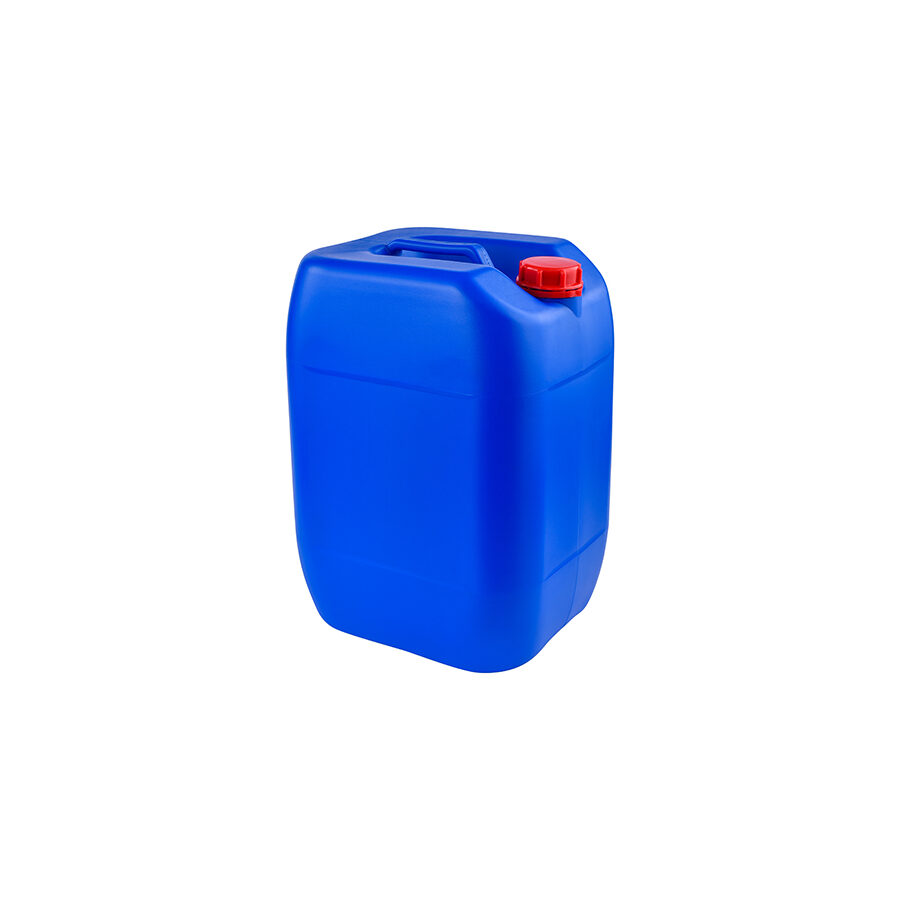
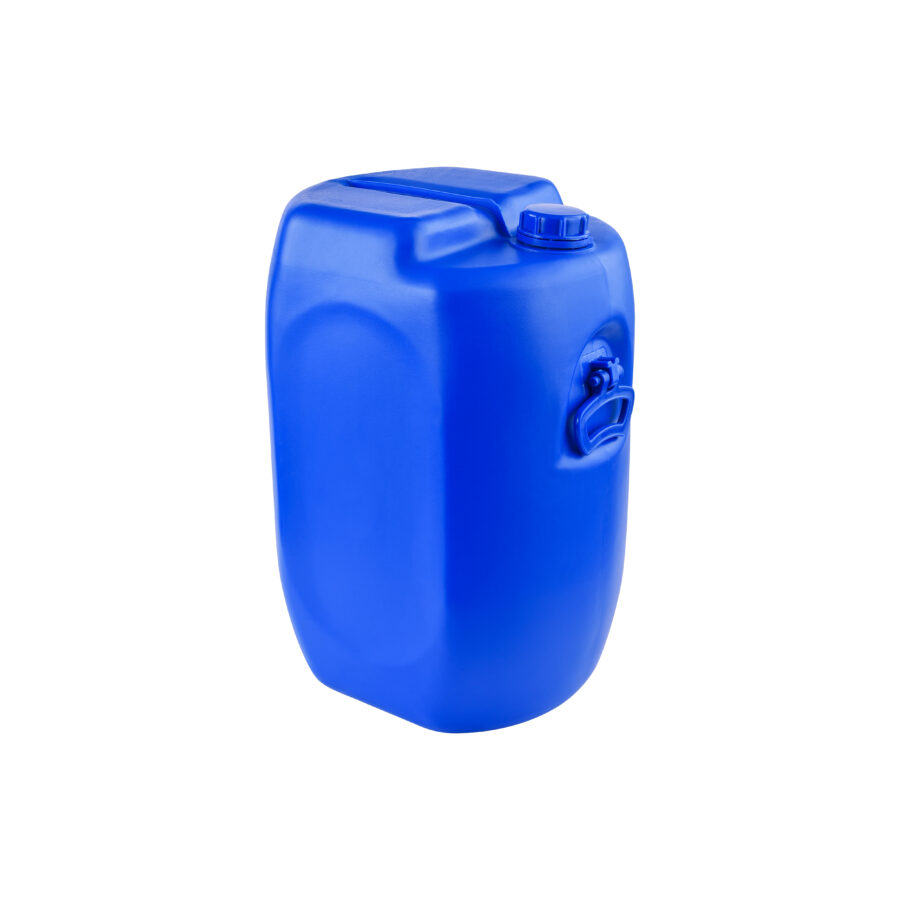
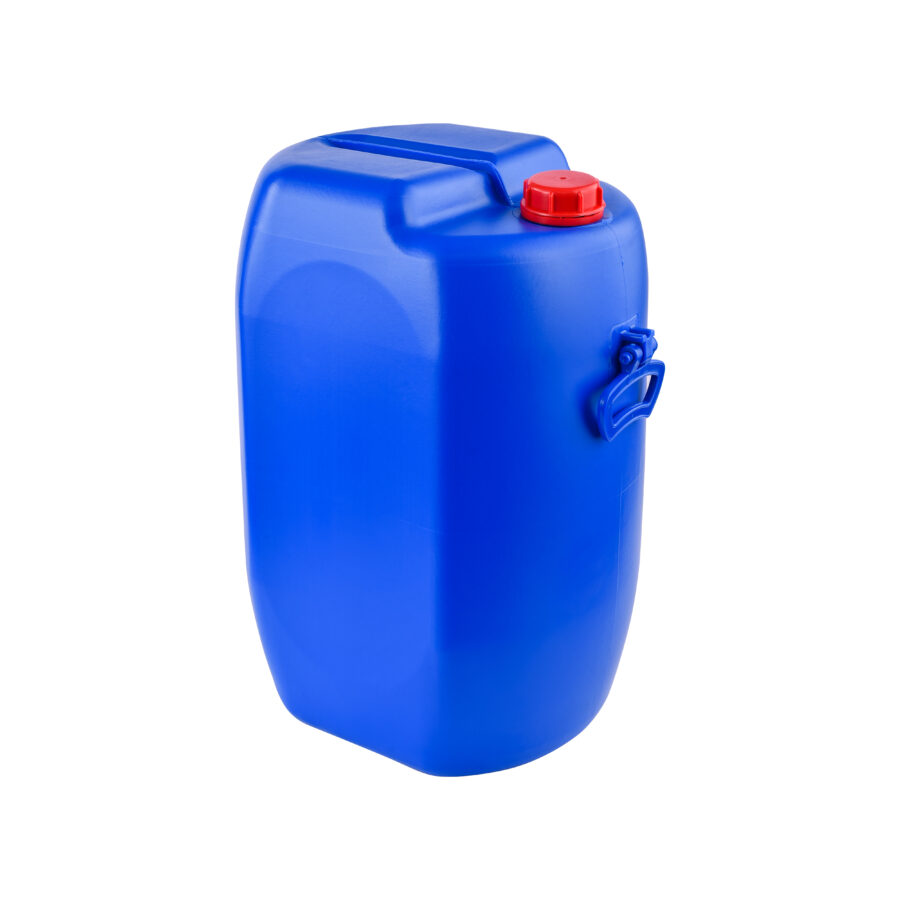
HDPE Drums: Durable, high-density polyethylene containers used for the bulk storage and transportation of industrial liquids and semi-liquids.
Total Cost of Ownership (TCO): A comprehensive financial estimate that includes the purchase price of an asset, plus all associated costs over its useful life, such as operation, maintenance, and hidden expenses.
Virgin HM/HDPE: High-Density Polyethylene plastic made from new, unused raw materials, offering superior purity, strength, and chemical resistance compared to recycled plastics.
BIS Certification: A product certification scheme by the Bureau of Indian Standards, ensuring products meet specific quality and safety standards for the Indian market.
Factory-Direct Pricing: A pricing model where products are sold directly from the manufacturer to the customer, eliminating intermediary markups and often leading to lower costs.
Volume Discounts: Price reductions offered by suppliers to buyers who purchase a large quantity of goods, incentivizing larger orders.
Lead Time: The amount of time that passes from the start of a process until its conclusion, particularly from order placement to delivery in procurement.
Procurement Manager: A professional responsible for sourcing goods and services, managing supplier relationships, and optimizing purchasing costs for an organization.