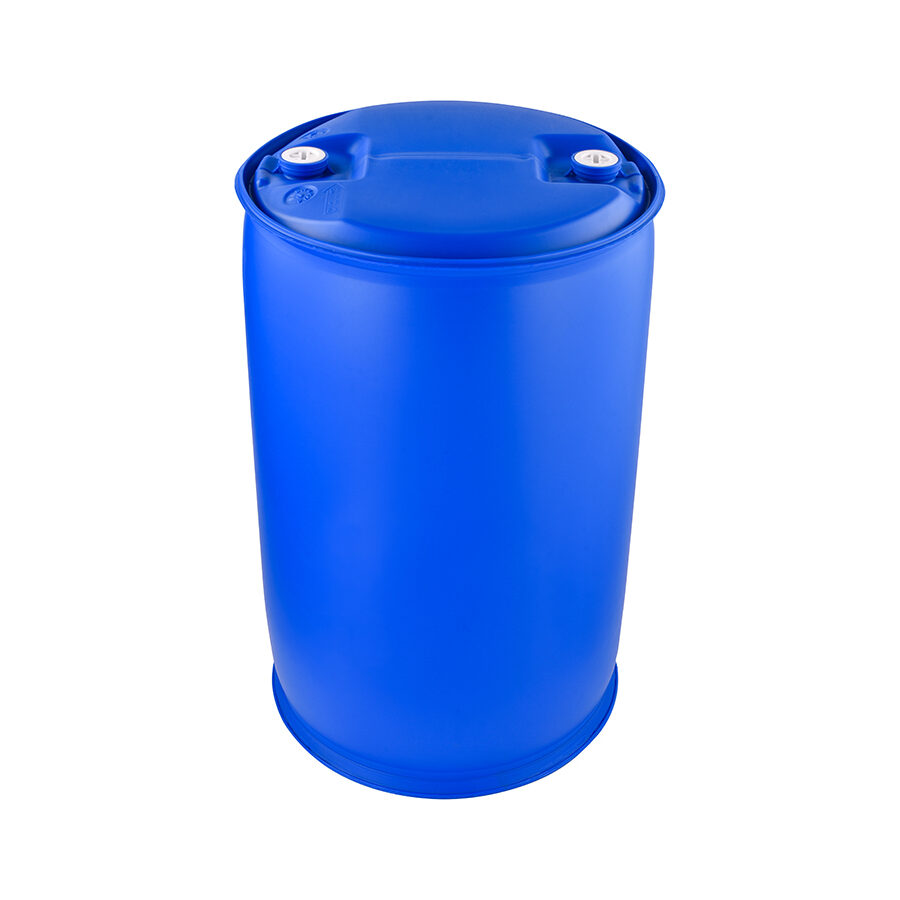
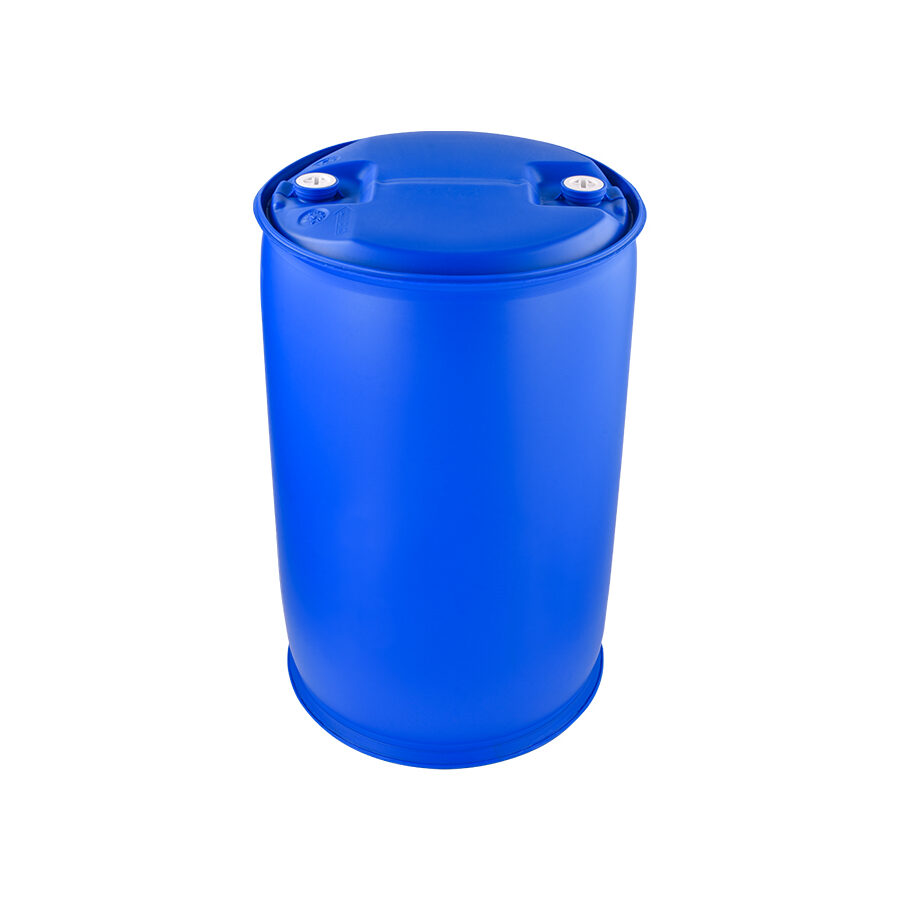
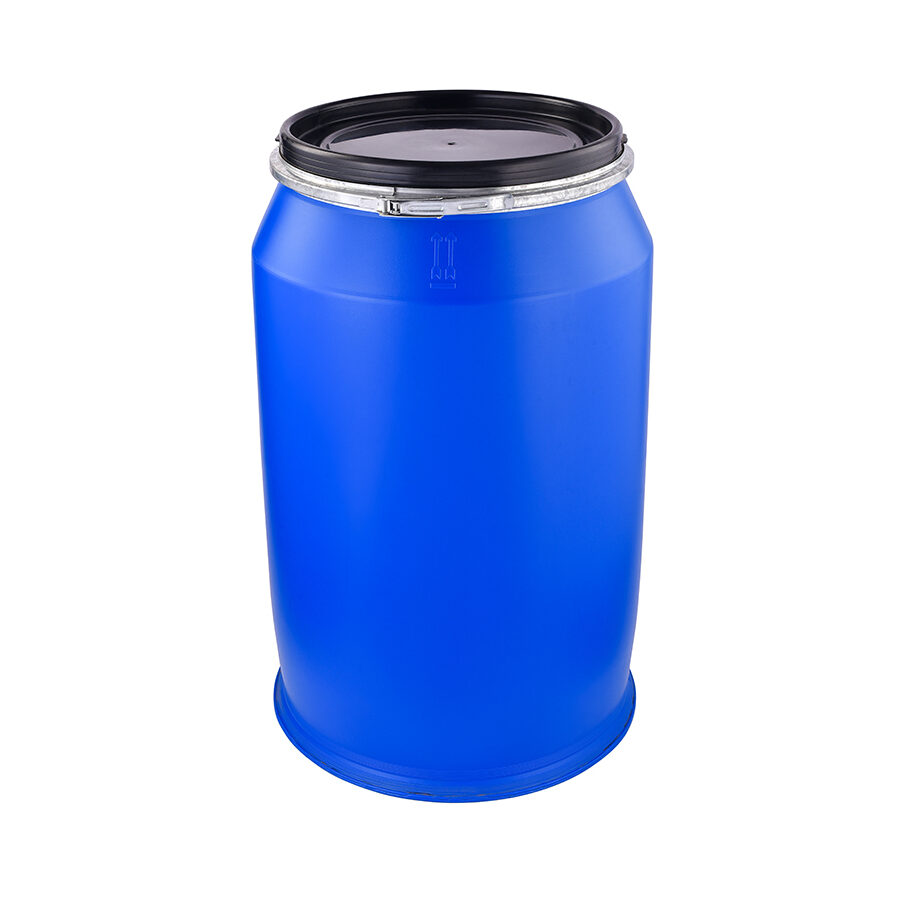
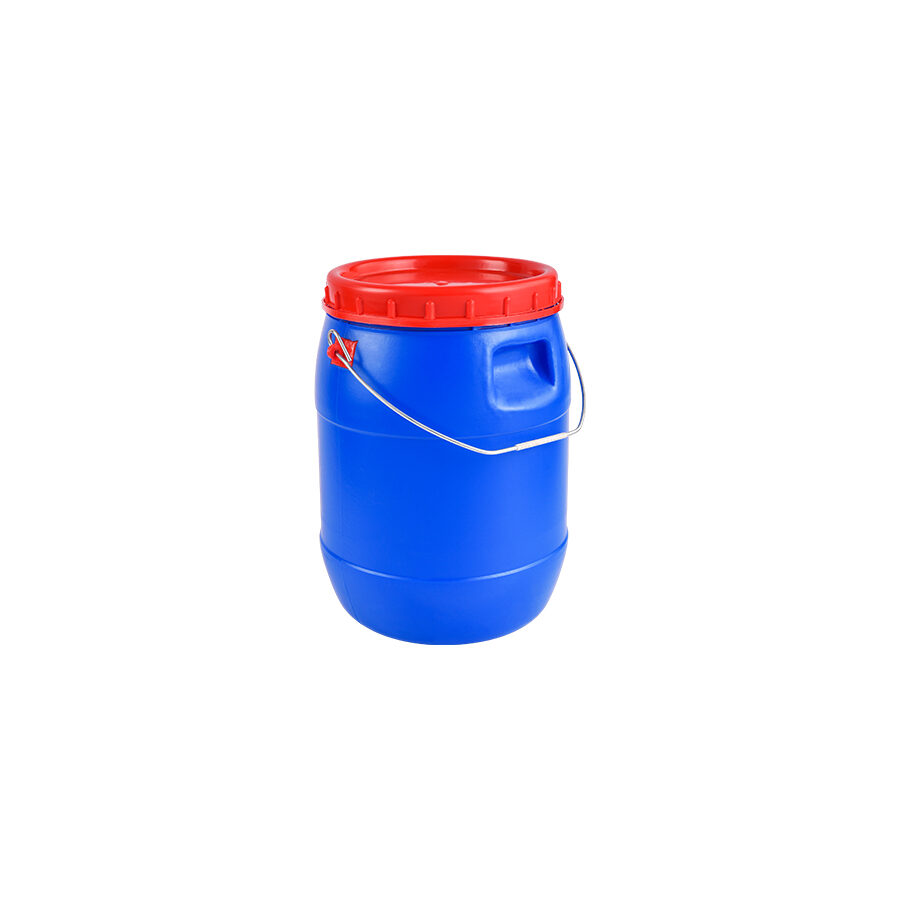
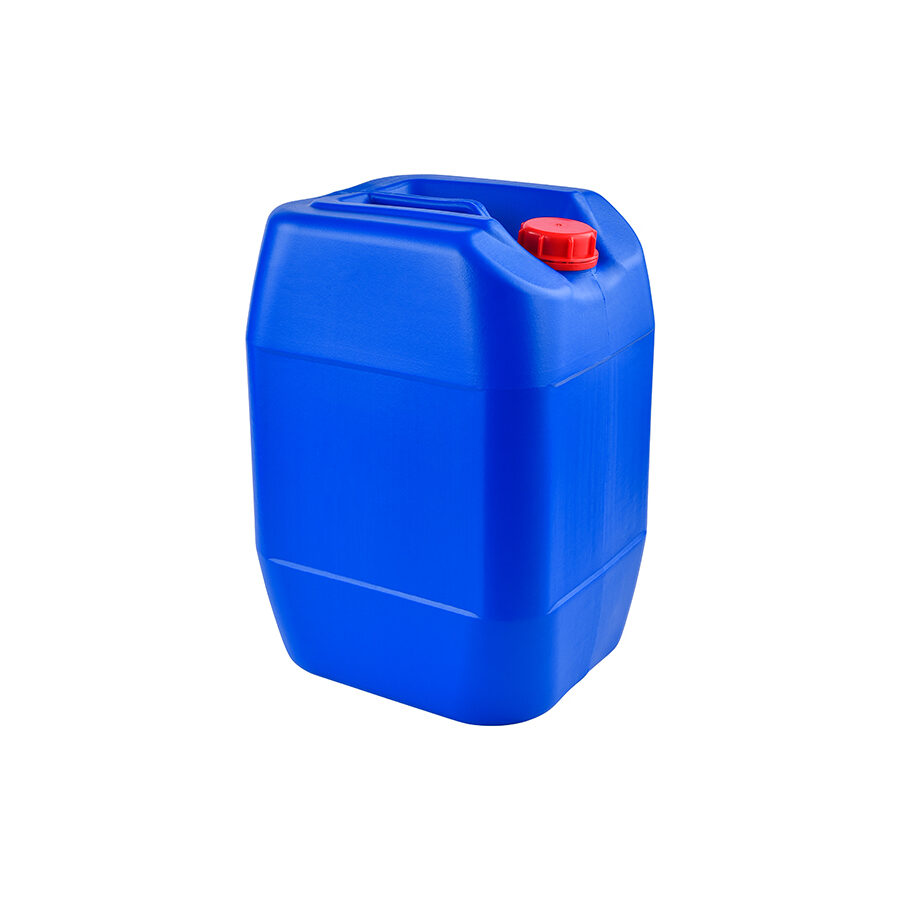
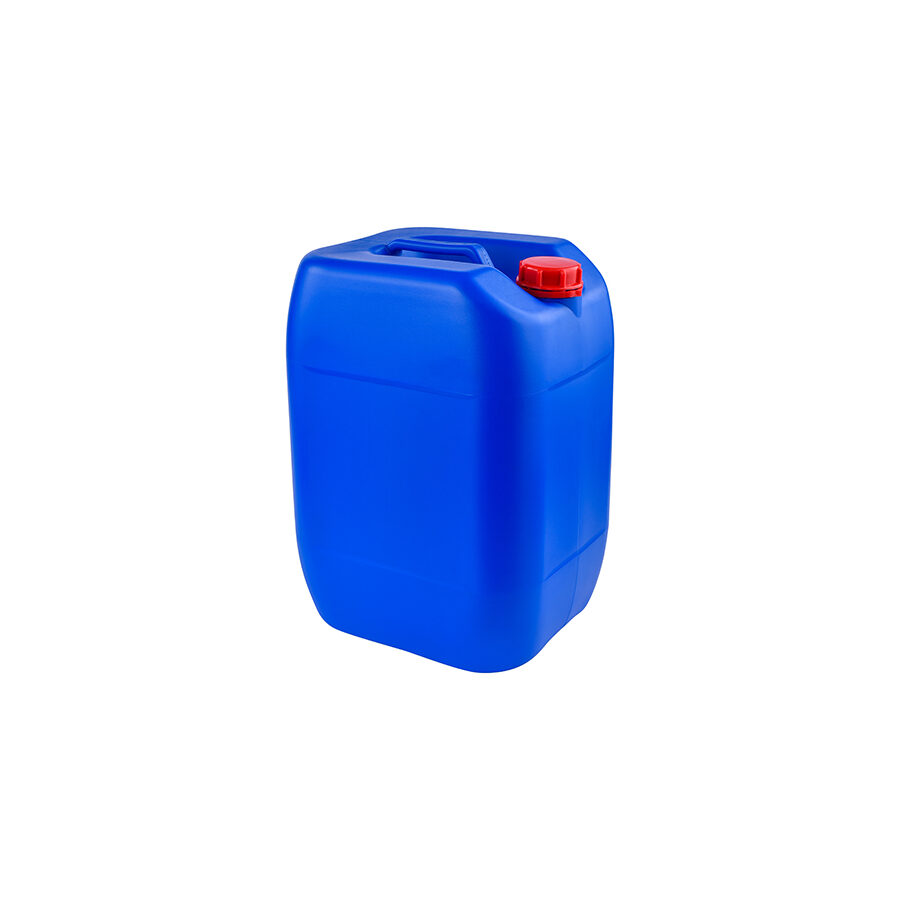
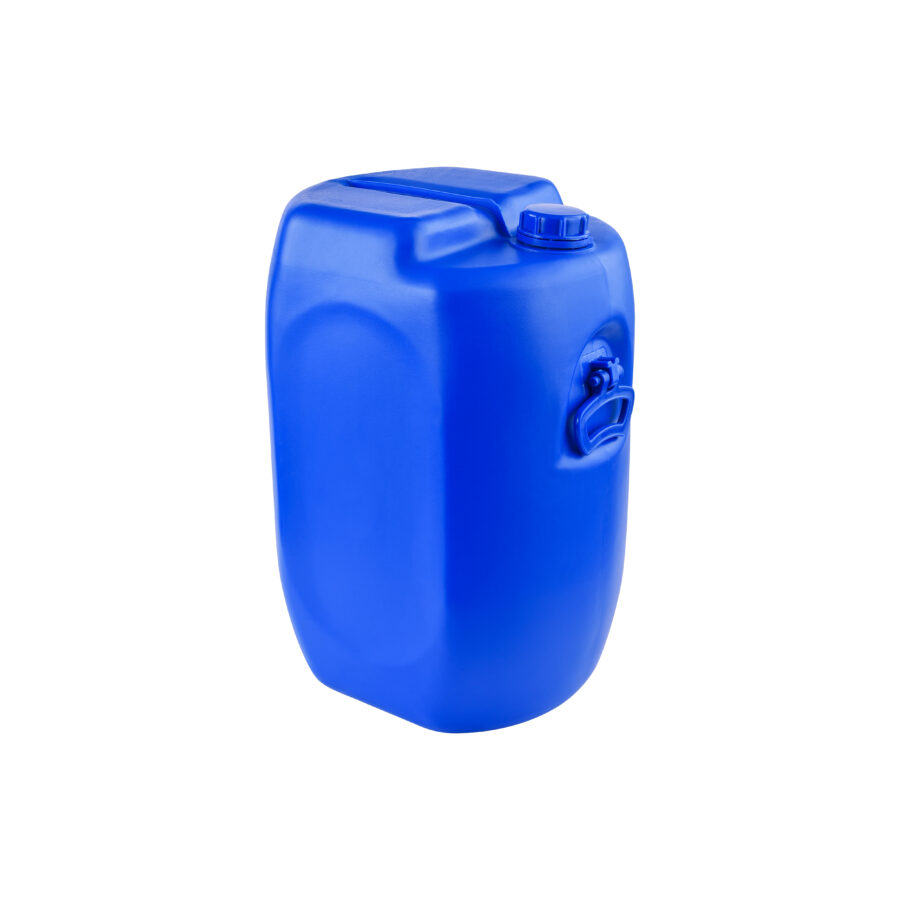
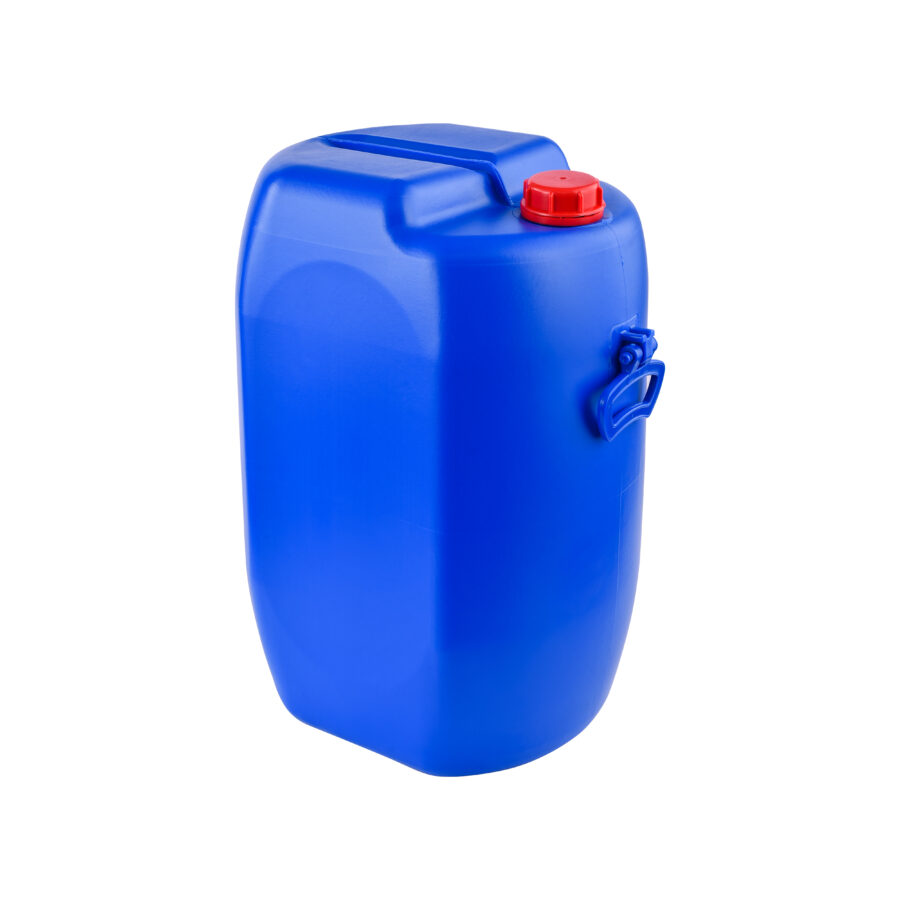
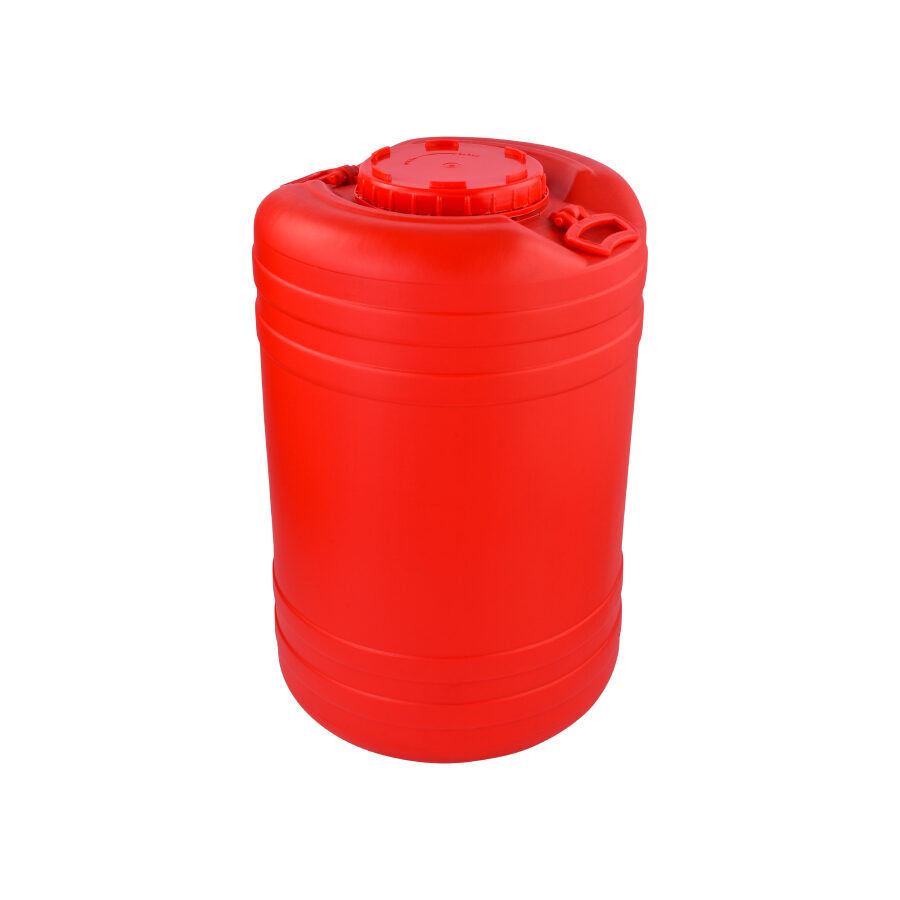


Where can I get custom branded plastic drums and containers with logo printing?

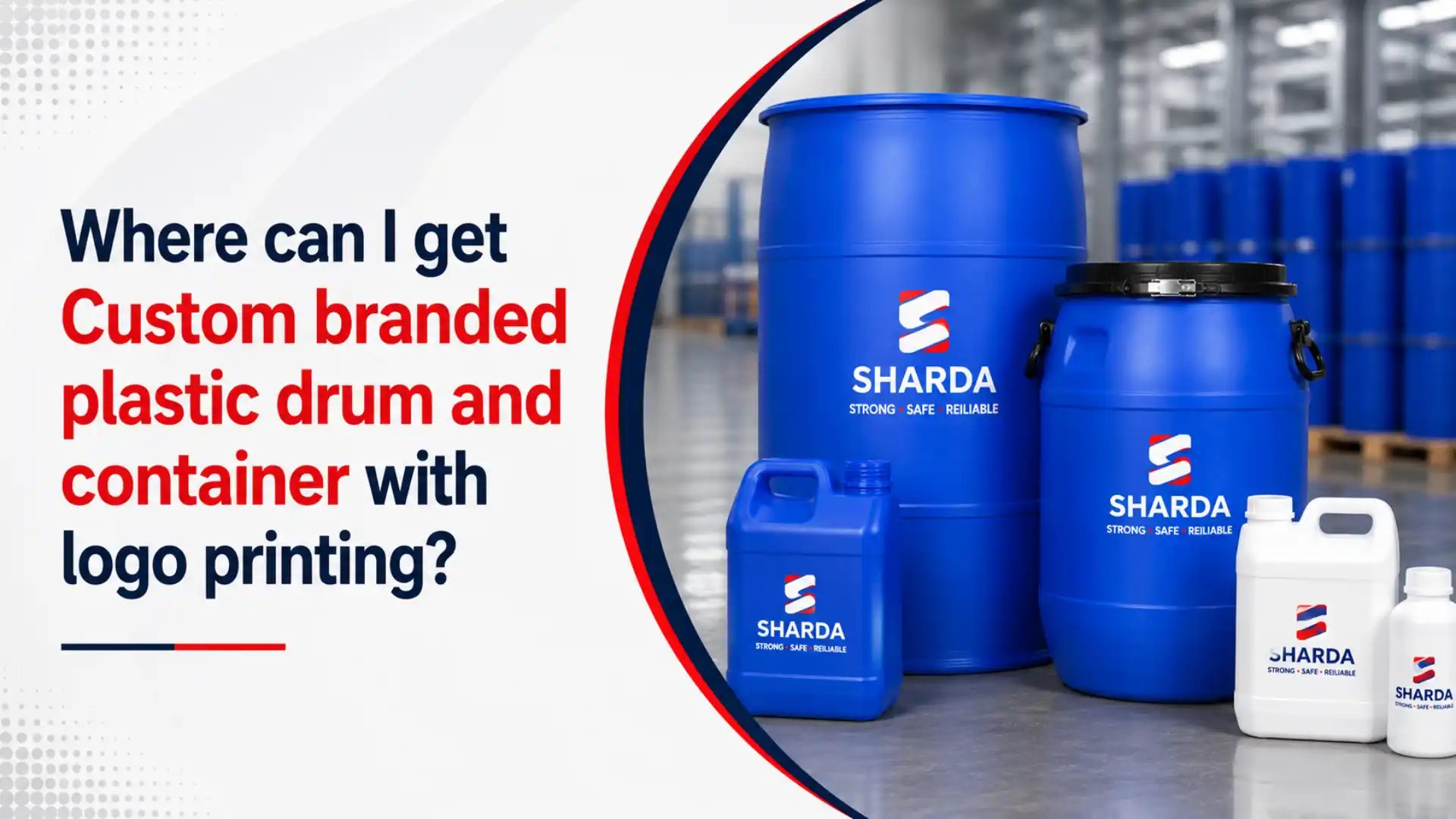
In the competitive industrial landscape, product differentiation extends beyond the contents of a container to the container itself. Custom logo printing on industrial plastic drums transforms generic packaging into a powerful branding tool, enhancing visibility and recall throughout the supply chain.
This strategic approach allows businesses to reinforce their brand identity, communicate critical information, and stand out in crowded markets. This guide explores the nuances of sourcing, printing methods, compliance, and vendor selection for custom branded plastic drums in India, positioning Sharda Containers as a leading partner for these essential industrial packaging solutions.
Why Custom Branded Packaging Matters for Industrial Products
Custom branded packaging is crucial for industrial products because it provides immediate product differentiation and enhances customer recognition. During storage and transportation, a clearly printed company logo on plastic drums acts as a constant brand reminder, solidifying presence in the market.
This branding creates a significant competitive advantage, allowing companies to distinguish their offerings in industrial sectors like chemicals, pharmaceuticals, and lubricants. It goes beyond mere aesthetics, contributing to a professional image and building trust among B2B clients.
- Enhances brand recall and visibility during logistics and storage.
- Differentiates products from competitors in crowded industrial markets.
- Communicates professionalism and attention to detail to B2B customers.
- Reinforces brand identity at every touchpoint in the supply chain.
Understanding Custom Branding Options for Plastic Drums and Containers
Custom branding options for plastic drums include various printing techniques designed to withstand harsh industrial environments. These methods range from traditional screen printing to advanced digital labeling, each offering distinct advantages for durability and design complexity.
Considerations such as chemical resistance, UV stability, and abrasion resistance are paramount to ensure the longevity of the printed logo on HDPE surfaces. Minimum order quantities vary depending on the printing method, artwork complexity, and manufacturer.
- Screen Printing: Ideal for large, robust logos with solid colors.
- Pad Printing: Suitable for multi-color detailed logos on curved surfaces.
- Hot Stamping: Provides a premium, metallic finish for high-end branding.
- Digital Labeling: Flexible for variable data and smaller batch runs.
Key Industries Using Custom Branded Plastic Drums
A diverse range of industries relies on custom branded plastic drums to meet both operational and marketing objectives. These sectors leverage branded containers for compliance, product integrity, and market presence.
From hazardous material transport to bulk ingredient storage, custom branding ensures that containers are easily identifiable and adhere to specific industry standards. Sharda Containers provides industrial packaging solutions tailored for these varied requirements.
- Chemical Manufacturers: Require hazard-compliant branding alongside company logos for safe transport and storage.
- Lubricant and Oil Companies: Utilize branded drums for B2B distribution and recognition in retail channels.
- Food Processing and Pharmaceutical Sectors: Demand FDA/ISO compliant containers with clear branding for product traceability and safety.
- FMCG Brands: Use custom containers for bulk ingredient storage and efficient transportation within their supply chains.
The Custom Branding Process: From Design to Delivery
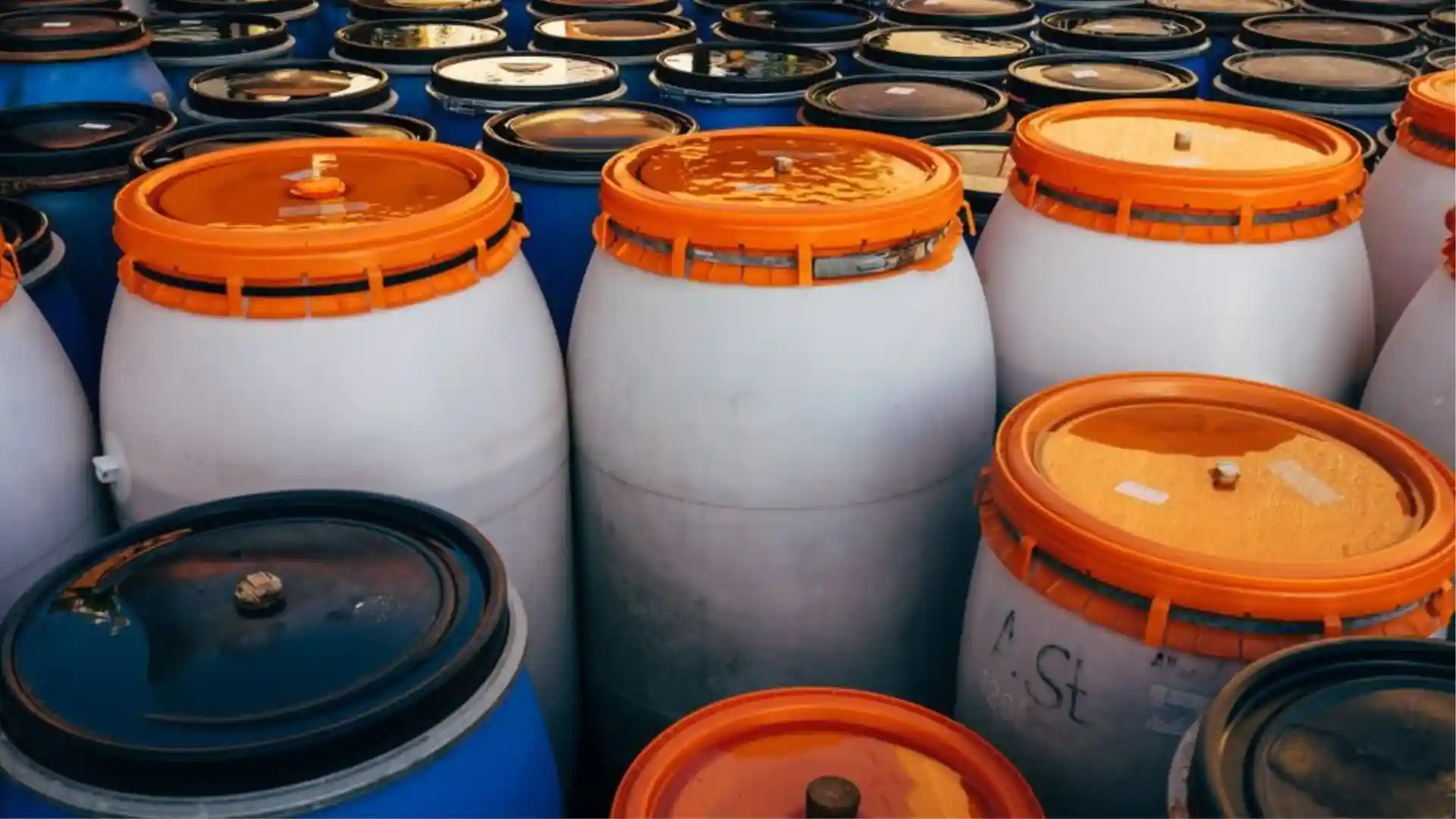 The journey from a digital logo to a branded plastic drum involves several critical steps, ensuring precision and quality. Sharda Containers guides clients through this process to deliver reliable and visually consistent packaging.
Effective communication and rigorous quality control are essential at each stage to meet client expectations and industry standards. This structured approach minimizes errors and optimizes production timelines.
- Step 1: Design Preparation and Logo File Requirements: Clients submit logos in vector formats (AI, EPS, PDF) with specified Pantone colors to ensure scalability and accurate color matching.
- Step 2: Sample Approval and Print Testing: A physical sample is produced and tested on the actual container material, allowing clients to approve print quality, color accuracy, and durability before bulk production.
- Step 3: Production Timeline Expectations: Production timelines vary depending on order volume, artwork approval, customization requirements, and manufacturing schedules.
- Step 4: Quality Control Checkpoints: Throughout the production run, stringent quality control measures are implemented to ensure print consistency, adhesion, and overall durability of the branding on each drum.
Printing Methods Compared: Which Technology Suits Your Needs
Choosing the optimal printing method for plastic drums depends on factors like design complexity, required durability, and order volume. Each technology offers distinct advantages for specific branding needs. Explore Learn more.
Sharda Containers assesses these requirements to recommend the most cost-effective and visually impactful solution for our clients. The table below outlines the primary printing methods available for custom branding plastic drums.
This table compares the four primary printing technologies available for custom branding plastic drums and containers, helping procurement teams select the optimal method based on their specific requirements for logo complexity, order volume, durability needs, and budget constraints.
| Printing Method | Best For | Durability Rating | Color Capacity | Typical Order Size |
| Screen Printing | Large logo areas, high-volume orders, solid colors | High (thick ink layer) | 1-4 spot colors | Medium to High Volume |
| Pad Printing | Complex shapes, multi-color detailed logos, curved surfaces | Good (with 2K inks) | Up to 6 colors | Small to Medium Volume |
| Hot Stamping | Premium metallic finishes, tamper-evident branding | High (foil adhesion) | Metallic (single color) | Medium to High Volume |
| Digital Labeling | Smaller batches, variable data, full-color graphics | Moderate (label durability) | Full color (CMYK) | Low to Medium Volume |
| Direct Inkjet Printing | Variable data, coding, short runs on flat surfaces | Moderate (thin ink layer) | Limited (often monochrome) | Small Volume |
Compliance and Safety Considerations for Branded Industrial Containers
Ensuring compliance and safety is paramount when branding industrial containers, particularly for regulated industries. This involves selecting appropriate inks and maintaining mandatory safety markings.
Sharda Containers prioritizes adherence to international and national standards, providing packaging solutions that are both branded and compliant. This diligence protects product integrity and meets regulatory obligations.
- Ensuring printing inks are food-grade or chemical-compatible based on contents is critical for product safety.
- Maintaining mandatory safety markings and hazard symbols alongside branding is a non-negotiable requirement for industrial containers.
- ISO certification requirements, such as ISO 15378 for primary pharmaceutical packaging, are fundamental for branded packaging in regulated industries.
- Export documentation and branding compliance, including new EU PPWR regulations, are vital for international shipments to avoid penalties and delays.
Selecting the Right Manufacturer for Custom Branded Containers
Choosing the correct manufacturer for custom branded containers is a strategic decision that impacts quality, cost, and supply chain efficiency. Integrated manufacturers like Sharda Containers offer comprehensive solutions, from container production to custom printing.
Evaluating a manufacturer’s capabilities, certifications, and flexibility ensures a reliable partnership. This approach streamlines procurement and guarantees consistent product quality.
- Evaluate in-house printing capabilities versus outsourced branding services to ensure seamless quality control and coordination.
- Check manufacturer certifications (e.g., ISO 9001, UN ratings) and robust quality control processes for reliable industrial packaging.
- Assess customization flexibility, including various container sizes, colors, and printing positions, to meet specific branding needs.
- Consider lead time expectations and order scalability to support growing businesses and fluctuating demand.
Cost Factors and Budget Planning for Custom Branded Packaging
Understanding the cost factors involved in custom branded packaging is essential for effective budget planning. While custom branding represents an investment, its ROI often outweighs the initial expenditure.
The selection of printing methods, volume discounts, and additional fees all influence the final per-unit cost. Sharda Containers helps clients analyze these factors to achieve optimal value.
- Printing method selection significantly impacts per-unit costs, with screen printing often being more economical for large volumes.
- Volume discounts and break-even points are critical considerations, as bulk orders reduce the per-unit cost of custom branding investments.
- Additional costs, such as design services, sample production, and setup fees for printing plates, should be factored into the overall budget.
- Long-term value analysis shows that custom branded packaging can contribute to stronger brand recognition, improved product identification, and better market positioning compared to generic packaging solutions.
The Integrated Sourcing Framework: Optimizing TCO for Branded Drums
The Integrated Sourcing Framework provides a decision model for businesses to evaluate the Total Cost of Ownership (TCO) when choosing custom branded plastic drums. This framework helps identify hidden costs often overlooked in traditional procurement models. Explore Learn more.
It compares three primary sourcing approaches: buying generic containers and outsourcing printing, using a printing-only service with third-party containers, or partnering with an integrated manufacturer like Sharda Containers. This model reveals that integrated sourcing can improve procurement efficiency by reducing vendor coordination, simplifying quality control, and streamlining production planning for bulk orders.
- Generic Containers + Outsourced Printing: This approach often appears cost-effective upfront but incurs hidden costs for logistics coordination, quality inconsistencies between two vendors, and potential lead time delays due to separate management.
- Printing-Only Service + Third-Party Containers: While reducing one vendor, this still introduces risks related to material compatibility, ink adhesion, and accountability if issues arise, leading to potential rework costs and production delays.
- Integrated Manufacturer (e.g., Sharda Containers): Partnering with a manufacturer that offers both container production and custom branding streamlines the entire process. This reduces coordination overhead, ensures material-to-ink compatibility, and centralizes accountability, leading to reduction in TCO for bulk orders.
By considering factors like hidden logistics costs, quality control issues across multiple vendors, and lead time synchronization, businesses can make informed decisions. The Integrated Sourcing Framework highlights that while initial unit costs might vary slightly, the overall operational efficiency and risk reduction with an integrated supplier provide significant long-term savings.
Key Takeaways
- Custom branding on plastic drums significantly enhances brand visibility and differentiation in industrial markets.
- Selecting the right printing method (screen, pad, hot stamping, or digital labeling) depends on design, durability, and volume requirements.
- Compliance with industry standards (e.g., ISO, food-grade inks) is critical for regulated sectors like pharmaceuticals and food processing.
- The Integrated Sourcing Framework demonstrates that partnering with a single, integrated manufacturer like Sharda Containers helps improve procurement efficiency by combining manufacturing, customization, and quality control under one supplier.
- Production lead times vary based on order volume, customization requirements, artwork approval, and manufacturing schedules.
- The ROI of custom branding extends beyond cost, contributing to brand recall, customer loyalty, and market positioning.
Conclusion: Making Custom Branded Packaging Work for Your Business
Custom branded plastic drums are more than just containers; they are active brand ambassadors in the industrial supply chain. For businesses in chemicals, FMCG, and pharmaceuticals, leveraging custom logo printing provides a distinct competitive edge and reinforces brand identity at every stage.
The strategic advantage of partnering with integrated manufacturers offering both containers and printing, like Sharda Containers, cannot be overstated. This approach streamlines procurement, ensures consistent quality, and optimizes the total cost of ownership.
We encourage businesses to request samples and thoroughly evaluate vendor capabilities, focusing on certifications, customization flexibility, and proven track records. Businesses selecting a custom branded plastic drum manufacturer should evaluate printing capabilities, manufacturing expertise, quality certifications, customization options, and supply reliability. Working with a manufacturer that provides both container manufacturing and branding services simplifies procurement, improves quality consistency, and supports long-term packaging requirements. Sharda Containers offers these capabilities for businesses requiring customized industrial plastic packaging solutions. For more information, Contact us.
Key Terms Glossary
HDPE Drums: Heavy-Duty Polyethylene (HDPE) drums are durable, chemical-resistant plastic containers widely used for storing and transporting liquids in industrial sectors.
Screen Printing: A printing technique where ink is pushed through a mesh stencil onto a surface, ideal for bold designs and large areas on industrial containers. Explore Learn more.
Pad Printing: A printing process that uses a silicone pad to transfer a 2D image onto a 3D object, suitable for printing on curved or irregular drum surfaces.
Hot Stamping: A dry printing method that transfers pre-dried ink or foils to a surface using heat and pressure, often used for premium metallic finishes.
Digital Labeling: A flexible printing method that applies pre-printed adhesive labels to containers, suitable for variable data, small batches, and full-color graphics.
B2B Procurement: The process by which businesses acquire goods and services from other businesses, focusing on efficiency, cost-effectiveness, and reliable supply chains.
Total Cost of Ownership (TCO): A comprehensive financial estimate that includes the purchase price of an asset plus the costs of operation, maintenance, and other associated expenses over its lifecycle.
ISO 15378: An international standard that specifies quality management system requirements for primary packaging materials for medicinal products, integrating GMP principles.
FAQs
Q1. Where can I get custom branded plastic drums with my company logo in India?
You can get custom branded plastic drums with your company logo from integrated manufacturers like Sharda Containers, who offer both container production and in-house custom printing services. This eliminates the need for multiple vendors and ensures consistent quality and accountability.
Q2. What is the minimum order quantity for custom logo printing on plastic containers?
The minimum order quantity depends on the printing method, artwork complexity, container type, and manufacturer capabilities.
Q3. Which printing method is most durable for chemical storage drums?
Screen printing is generally considered the most durable method for chemical storage drums due to its ability to lay down a thick ink layer, providing excellent chemical resistance and UV stability. Hot stamping also offers robust durability for specific applications, with ink formulation and proper curing being critical factors for longevity.
Q4. Can I get custom branded containers in small batches for testing?
Yes, you can often get custom branded containers in small batches for testing, with sample production typically ranging from 50-100 units. Digital labeling is a flexible solution for these smaller runs, though per-unit costs may be higher compared to bulk orders using traditional printing methods.
Q5. Is custom logo printing food-grade safe for pharmaceutical containers?
Yes, custom logo printing can be food-grade safe for pharmaceutical containers, provided that certified food-grade or pharma-grade inks are used and applied in compliance with strict manufacturing standards. Compliant manufacturers ensure non-toxic printing materials and adhere to relevant standards like FDA requirements and ISO 15378 for pharmaceutical packaging. Explore Learn more.