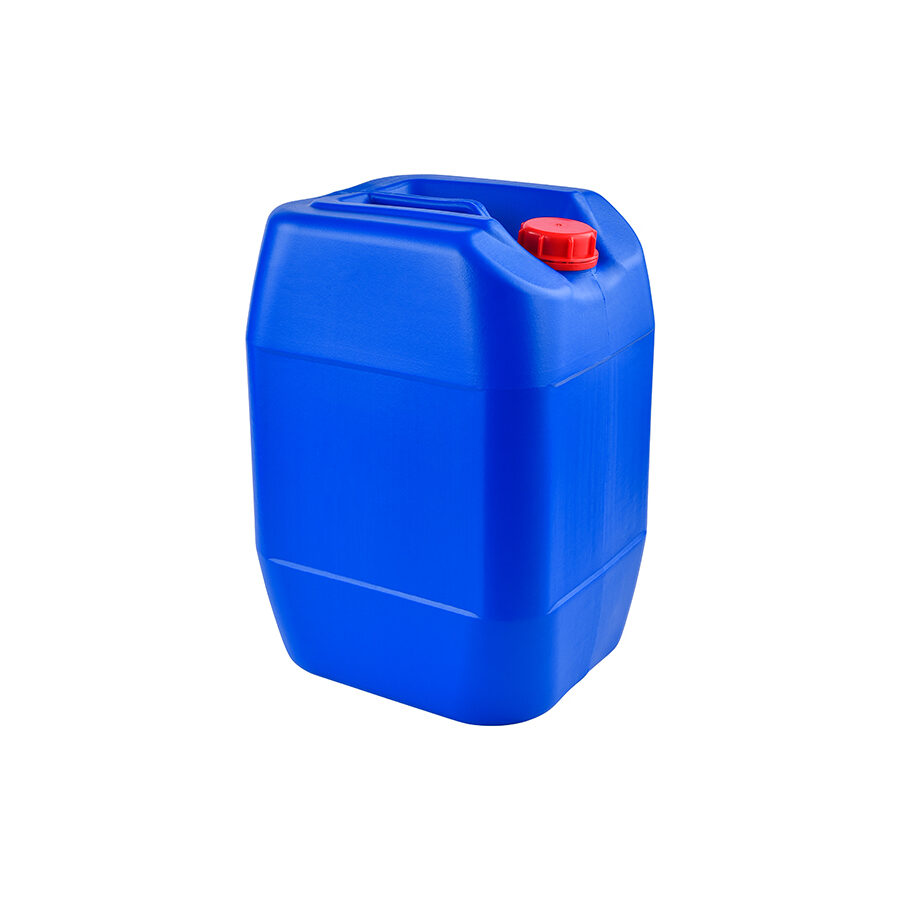
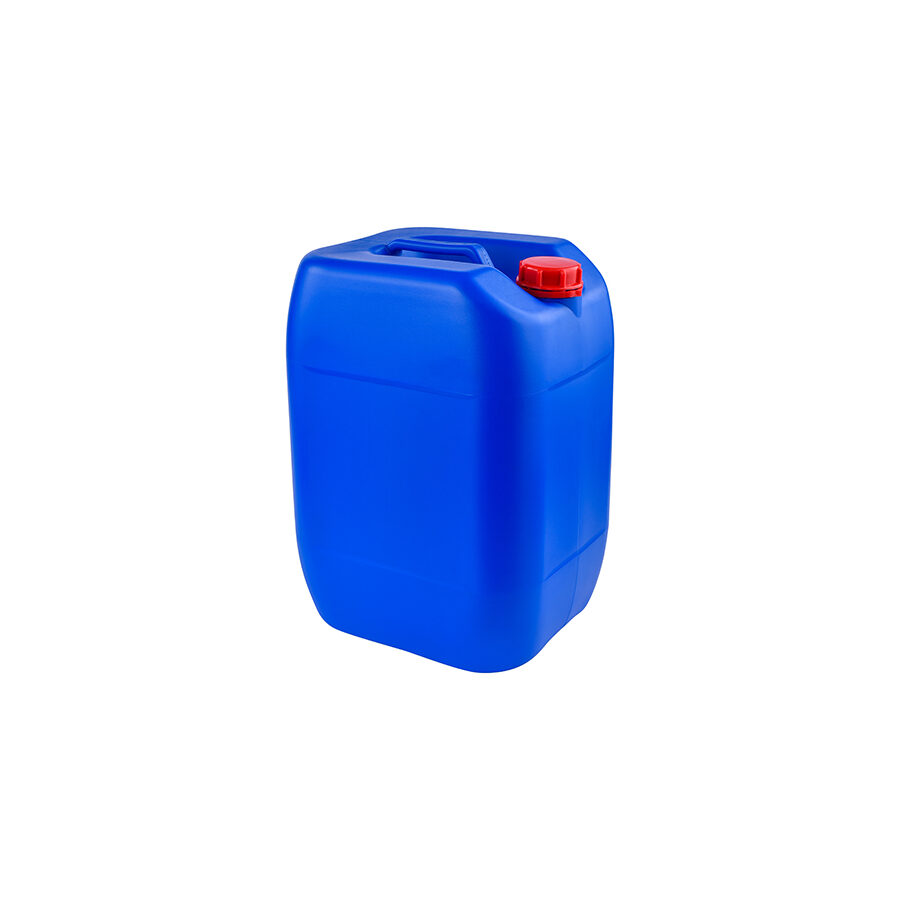
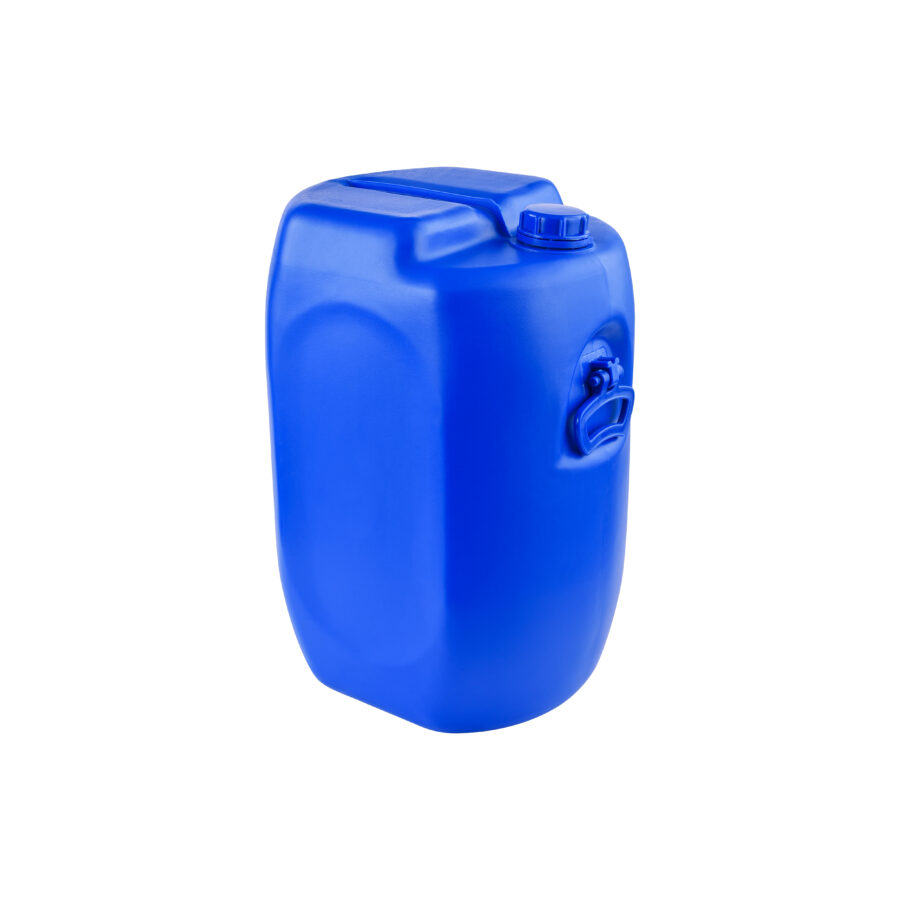
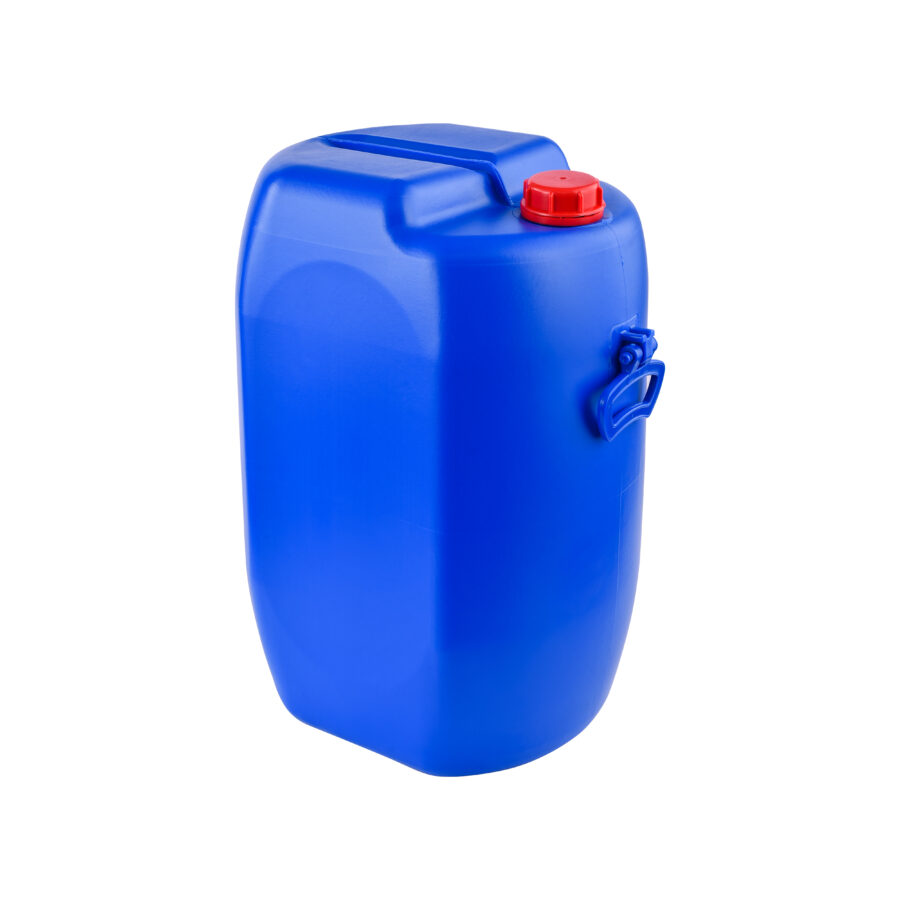
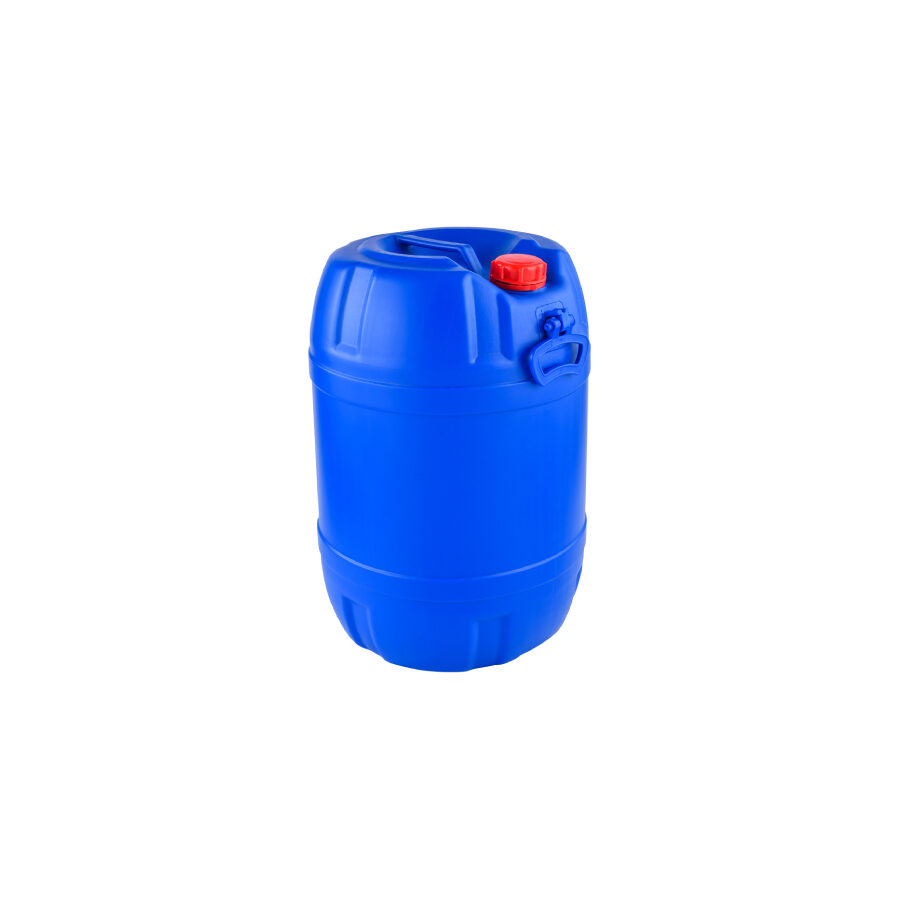
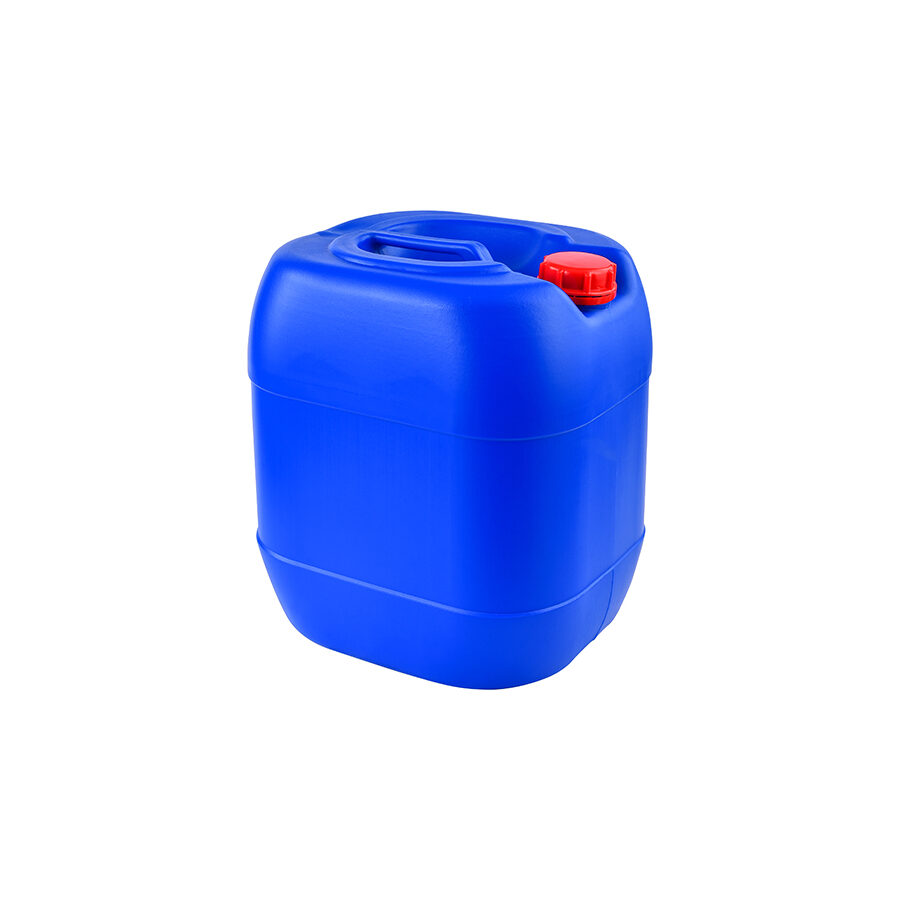
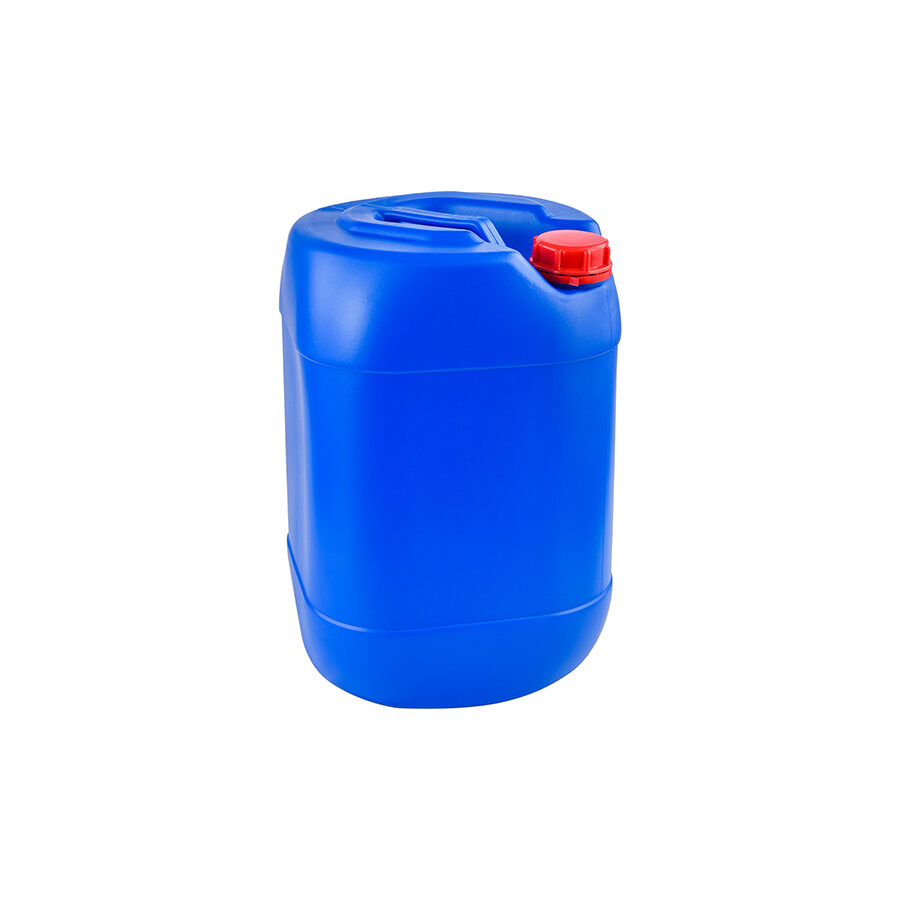
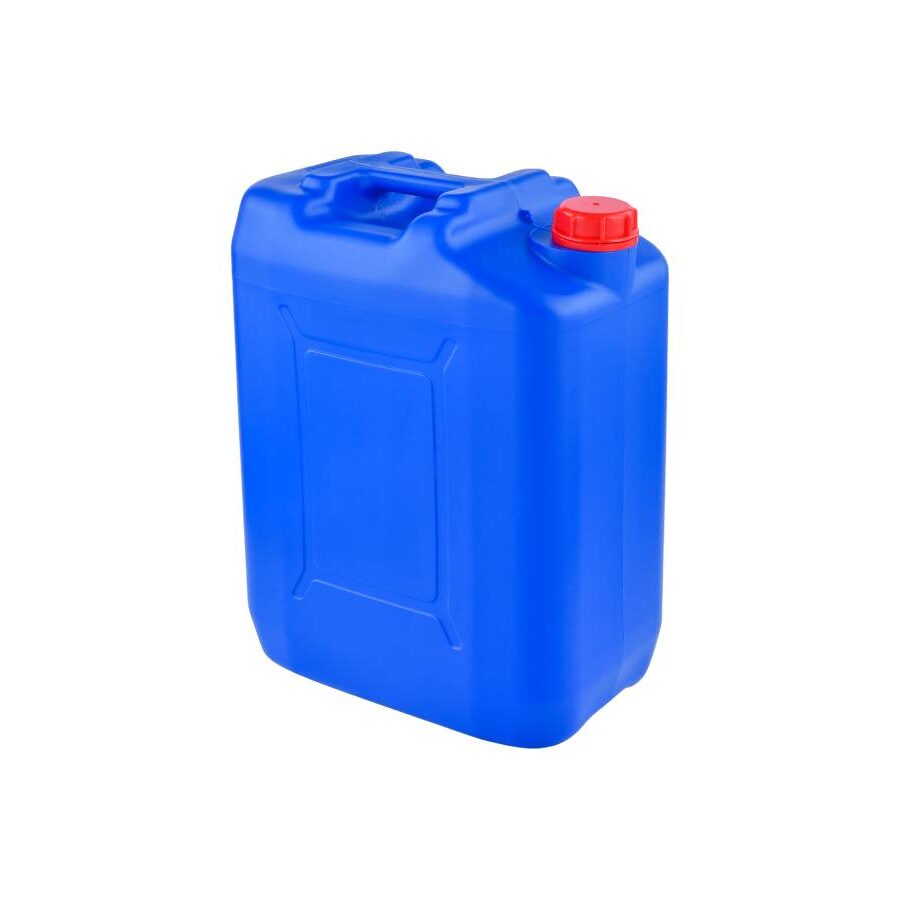
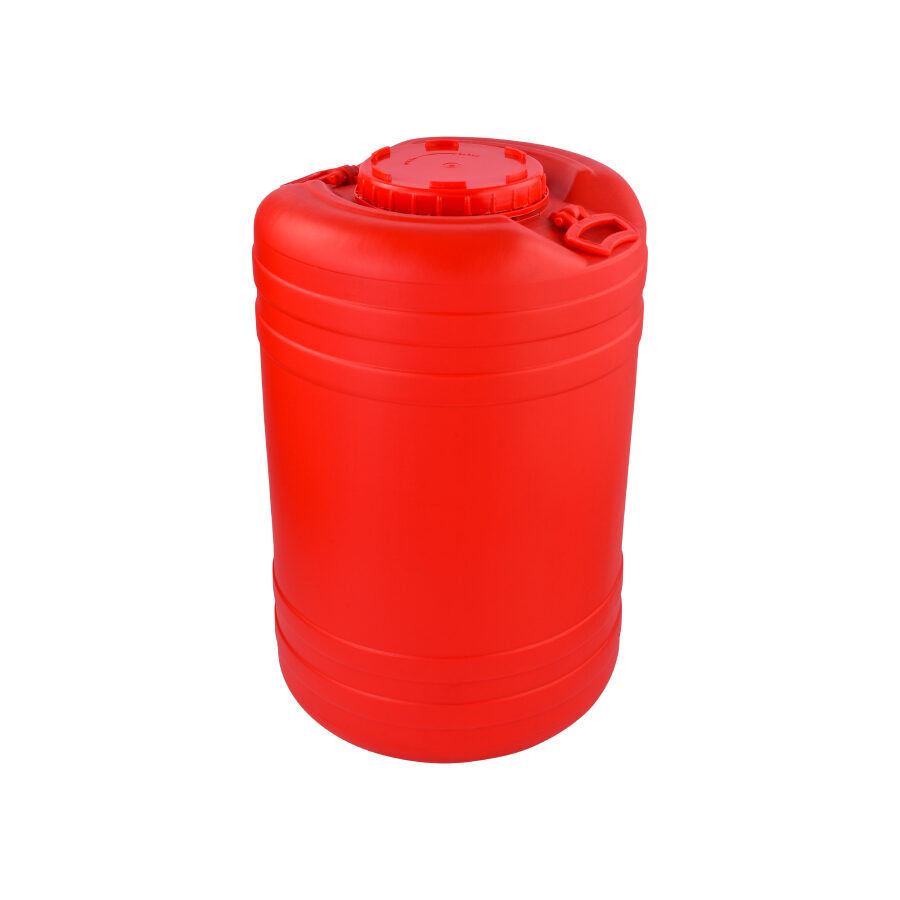


Best HDPE Drum Manufacturer in India for Chemical Industries

The chemical industry in India relies heavily on robust and compliant packaging for the safe storage and transportation of its diverse products. High-Density Polyethylene (HDPE) drums have emerged as the preferred solution, offering superior chemical resistance, durability, and cost-effectiveness compared to traditional metal or glass alternatives.
Selecting the optimal HDPE drum manufacturer is a critical decision that directly impacts product integrity, supply chain efficiency, and regulatory adherence for chemical companies across the nation.
Why Chemical Industries Need Specialized HDPE Drum Manufacturers
Chemical industries require specialized HDPE drum manufacturers due to the inherent risks associated with hazardous materials and stringent regulatory frameworks. Improper packaging can lead to catastrophic failures, environmental damage, and severe legal penalties.
These specialized manufacturers ensure that drums meet specific chemical compatibility requirements and structural integrity standards, crucial for safeguarding both products and personnel.
Critical Role of HDPE Drums in Safe Chemical Storage and Transportation
HDPE drums play a pivotal role in the chemical sector by providing a secure containment solution for liquid and semi-liquid chemicals. Their high strength-to-density ratio and inert nature make them ideal for handling corrosive, acidic, and alkaline substances.
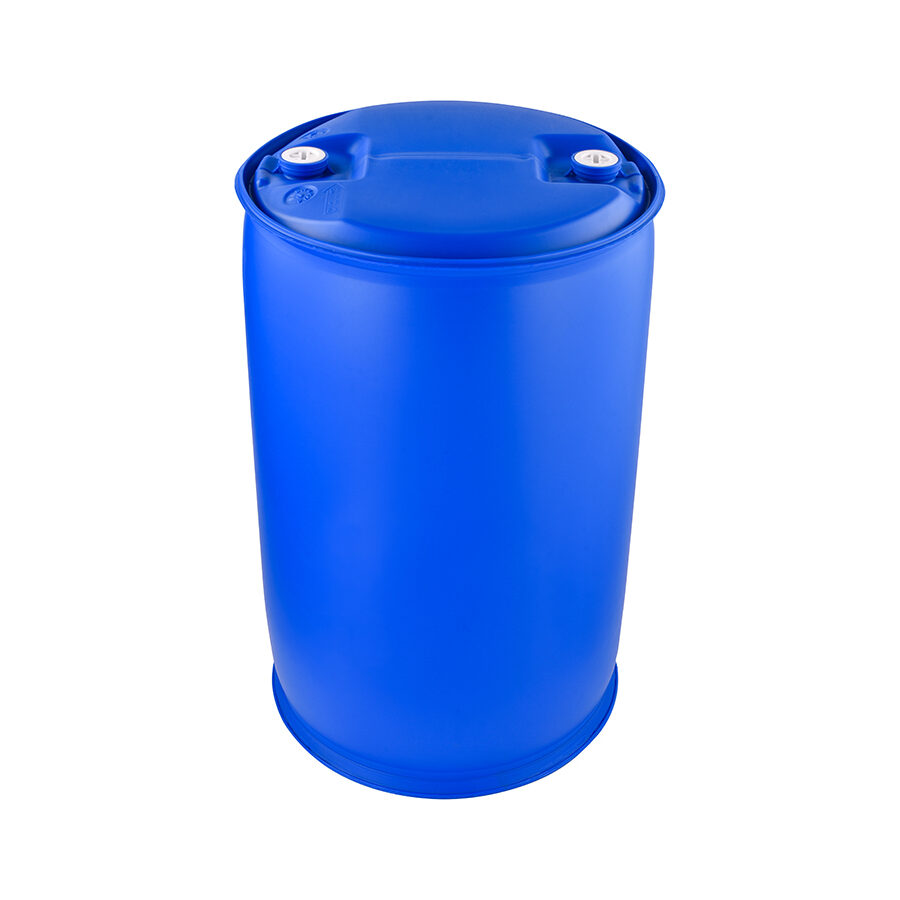
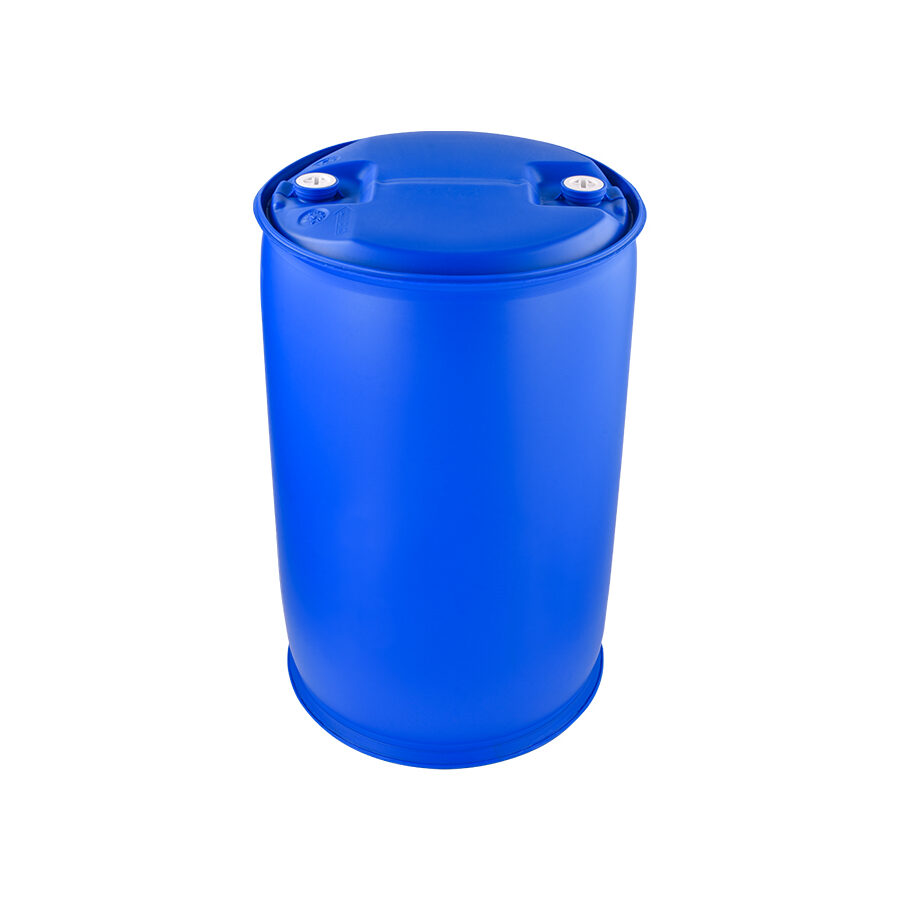
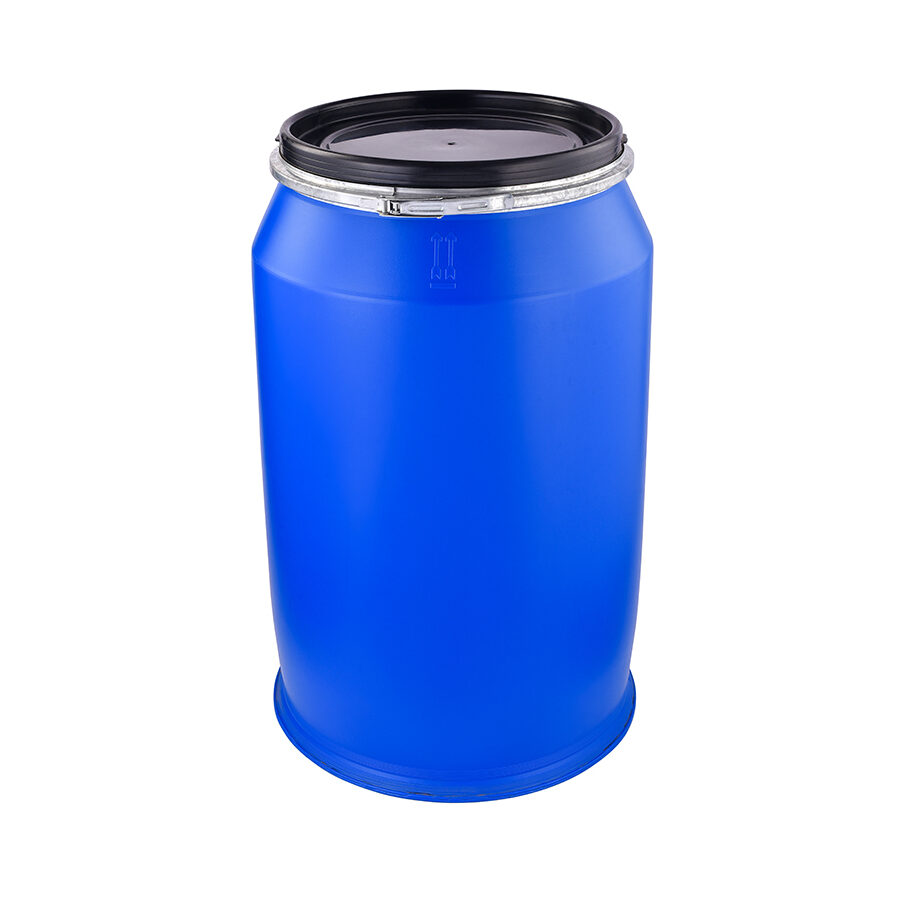
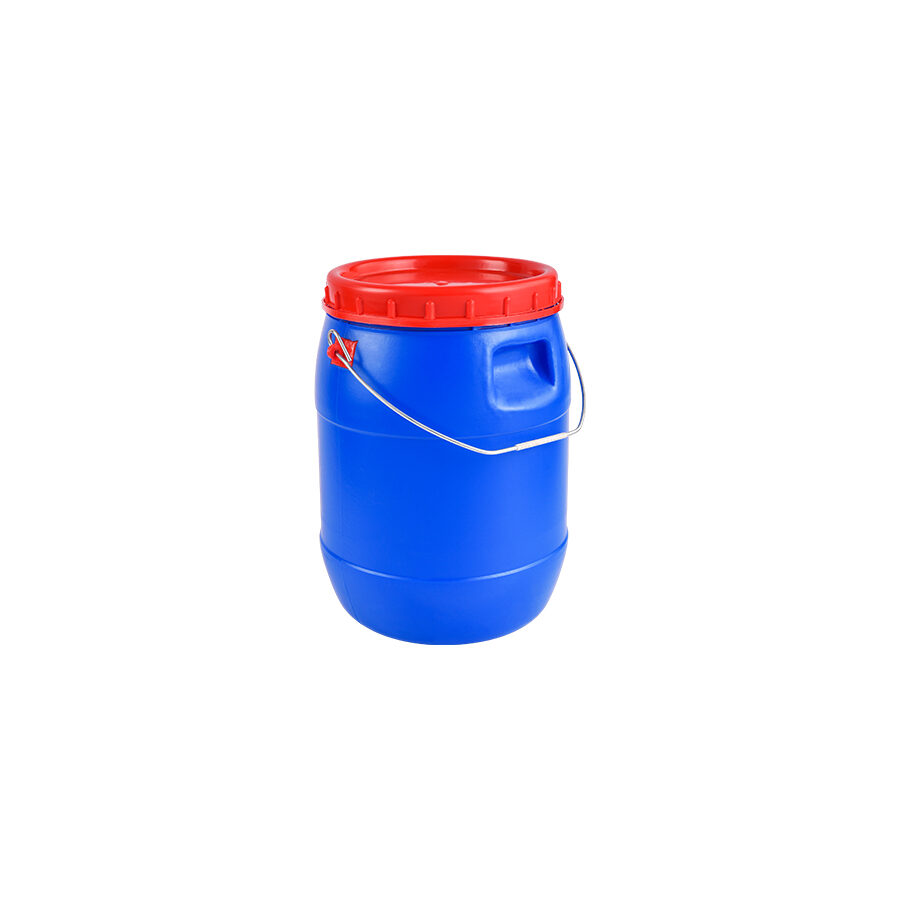
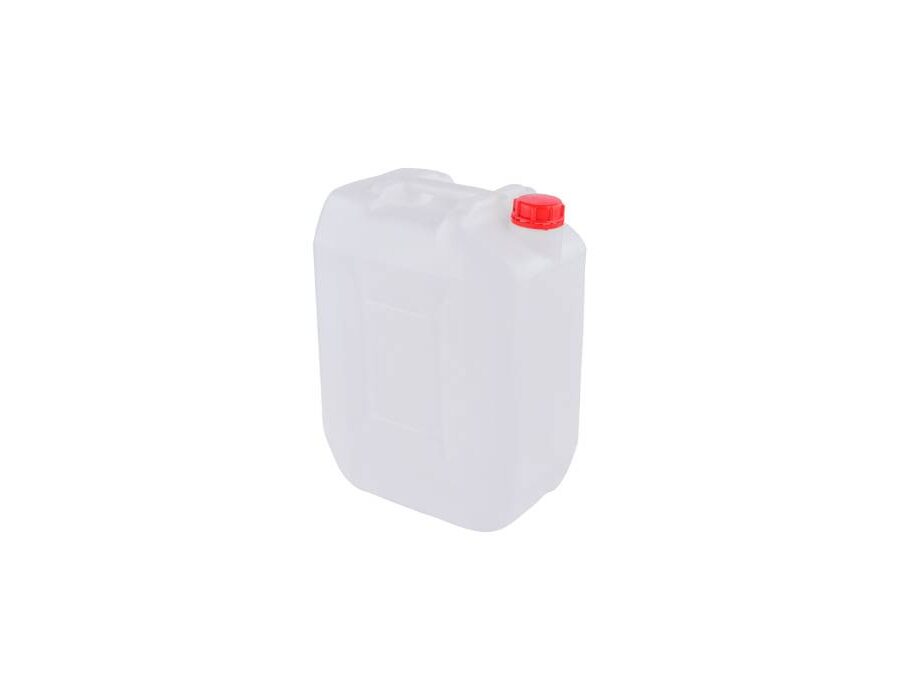
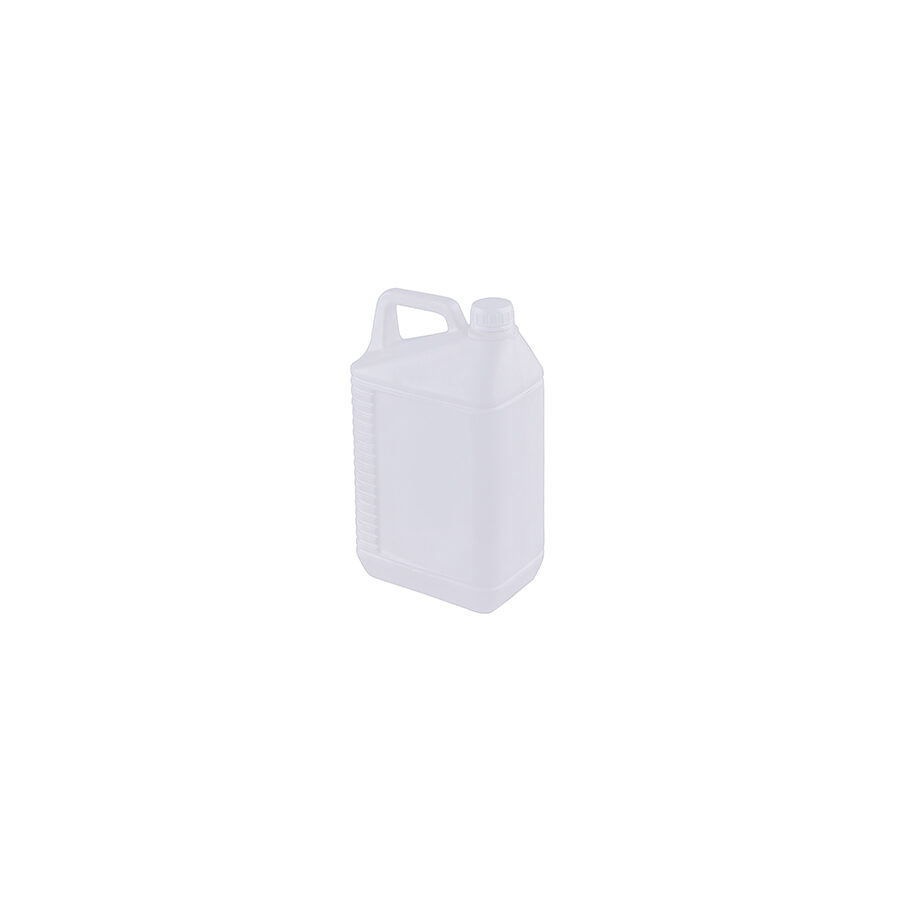
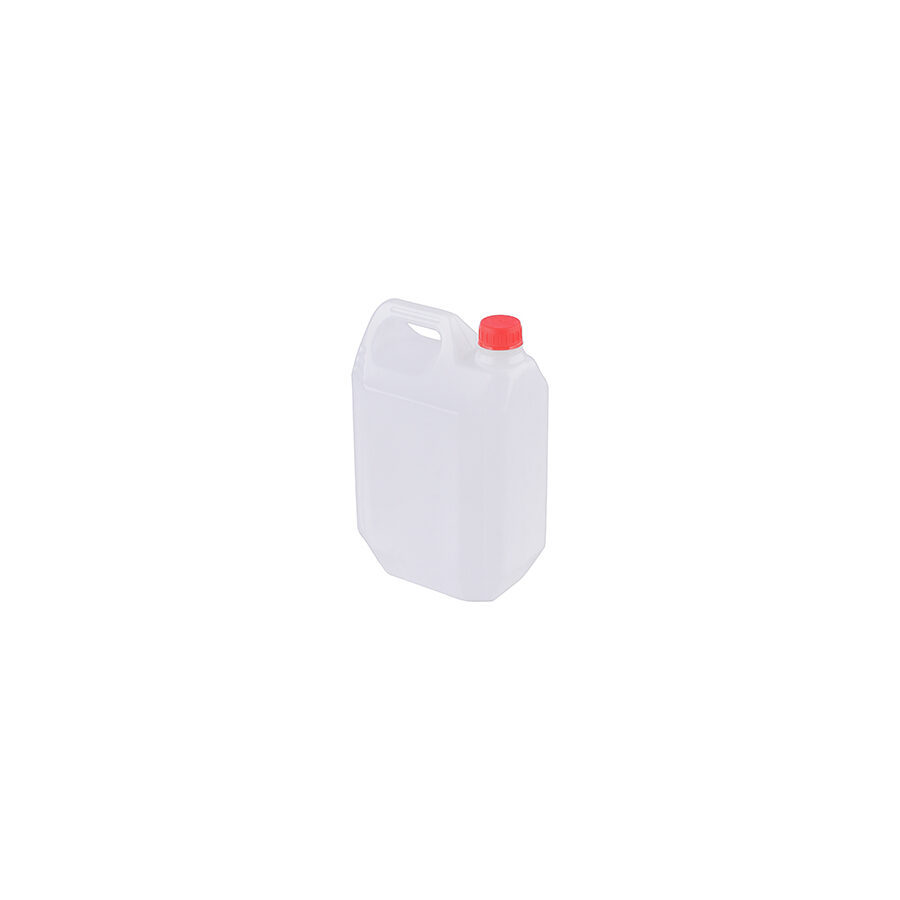
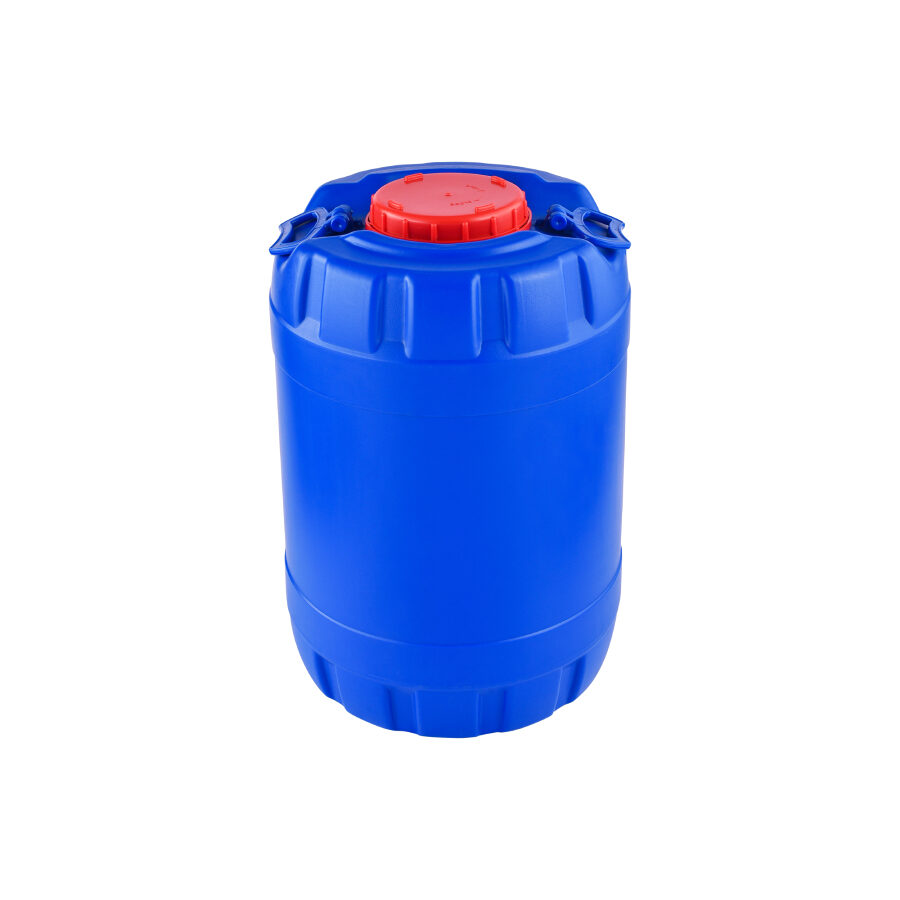
HDPE drums are widely used across the chemical industry because of their excellent chemical resistance, durability, and suitability for industrial storage and transportation.
Regulatory Compliance Requirements for Chemical Packaging in India
Indian chemical packaging is governed by evolving regulations, including the Chemical (Management and Safety) Rules (CMSR) which is set to replace the existing MSIHC Rules, 1989. These rules mandate strict compliance for hazardous material storage and transportation, including UN certification for drums.
UN certification ensures that packaging can withstand various hazards during transit, preventing leaks and spills. For 2026, theIndian Institute of Packaging (IIP) is the sole nodal agency authorized to issue UN certificates, with validity periods of 18 months for ISO-certified manufacturers and 9 months for non-ISO manufacturers.
Cost Implications of Choosing the Wrong Packaging Supplier
Opting for an inferior packaging supplier can lead to significant hidden costs beyond the unit price. Packaging failures can result in product loss, environmental cleanup expenses, regulatory fines, and reputational damage.
Industry analysis confirms that HDPE drums are generally cheaper to manufacture and transport than metal or glass alternatives, translating into significant savings for chemical companies. However, these savings are negated if quality is compromised.
What Makes a Drum Manufacturer ‘Best’ for Chemical Industries
The ‘best’ HDPE drum manufacturer for chemical industries excels in a combination of factors: stringent quality control, comprehensive regulatory compliance, advanced manufacturing capabilities, and a deep understanding of chemical compatibility. This holistic approach minimizes risks and ensures product integrity throughout the supply chain.
Choosing a supplier based only on purchase price can increase overall procurement costs if packaging failures result in production disruptions, product loss, or additional compliance requirements.
Key Requirements for Chemical Industry HDPE Drum Manufacturers
Chemical industry procurement managers must prioritize manufacturers who demonstrate expertise in meeting specialized demands. These demands extend beyond basic container functionality to encompass safety, material science, and regulatory foresight.
A detailed evaluation of a manufacturer’s capabilities is essential for secure and compliant chemical packaging.
UN Certification for Safe Chemical Packaging
For industries transporting hazardous chemicals, UN-certified packaging plays an important role in ensuring the safe movement of dangerous goods. UN certification indicates that the packaging has been tested to meet internationally recognized performance standards for the transport of dangerous goods.
UN-certified drums typically undergo performance tests such as drop tests, leakproofness tests, stacking tests, and vibration tests, depending on the packaging type and intended application. In India, authorized agencies such as the Indian Institute of Packaging (IIP) issue UN certification for eligible packaging that meets the required standards.
An UN marking on the drum provides important information, including the packaging type, material, packing group, maximum gross mass, country of certification, and year of manufacture. Businesses handling hazardous materials should always verify that the packaging is appropriate for their specific product and transportation requirements.
Sharda Containers manufactures HDPE drums using high-quality virgin HDPE and follows standardized quality control processes supported by ISO-certified manufacturing systems and UN-certified packaging solutions for applicable industrial requirements.
Chemical Resistance Capabilities for Acids, Alkalis, and Solvents
Selecting the right HDPE drum requires evaluating its chemical compatibility with the product being stored or transported. Manufacturers should provide chemical compatibility information and relevant test data to help businesses choose the appropriate packaging solution.
- Chemical Compatibility: Always verify compatibility with the specific acid, alkali, solvent, or chemical before selecting an HDPE drum.
- Industry Testing: Chemical resistance is commonly evaluated using recognized industry testing standards such as ASTM methods to assess material performance under chemical exposure.
- Suitable Applications: HDPE drums generally offer excellent resistance to many acids, alkalis, and water-based chemicals, making them suitable for a wide range of industrial applications.
- Limitations: Certain solvents and aggressive chemicals may not be compatible with HDPE. Compatibility should always be confirmed based on the specific chemical, its concentration, operating temperature, and storage conditions.
- Selection Factors: Consider the chemical type, concentration, exposure duration, storage temperature, and regulatory requirements before choosing an HDPE drum for chemical storage or transportation.
The suitability of a drum depends on the chemical’s concentration, temperature, and exposure duration.
Leak-Proof Performance and Structural Integrity Under Varying Conditions
HDPE drums should maintain their structural integrity during storage, handling, transportation, and stacking to minimize the risk of leaks, product loss, and contamination. High-quality manufacturing processes and quality control help ensure reliable performance across different operating conditions.
- Leak-Proof Design: Seamless blow-molded construction and uniform wall thickness help reduce the risk of leaks and structural weaknesses.
- Quality Testing: Manufacturers typically perform industry-standard quality and performance tests to evaluate strength, leak resistance, and durability under transportation and storage conditions.
- Stacking Strength: HDPE drums should be designed to withstand stacking loads and warehouse storage requirements while maintaining structural stability.
- Transport Reliability: Properly manufactured drums are built to perform under vibration, handling, and varying environmental conditions encountered during distribution.
- Performance Factors: Drum reliability depends on product weight, storage conditions, handling practices, transportation methods, and compliance with applicable quality standards.
Customization Capabilities for Different Chemical Grades and Volumes
Chemical industries often require drums with specific features such as specialized closures, vents, or custom volumes. A manufacturer’s ability to provide tailored solutions enhances operational efficiency.
- Customization can include specific colors for product identification or branding.
- Different bung and closure types (e.g., screw caps, bungs with vents) can be integrated for various dispensing needs.
- Capacities typically range from 20 liters to 250 liters to accommodate diverse chemical volumes.
This adaptability is crucial for handling a wide array of chemical products efficiently and safely.
#1: Sharda Containers – India’s Leading Chemical Packaging Partner
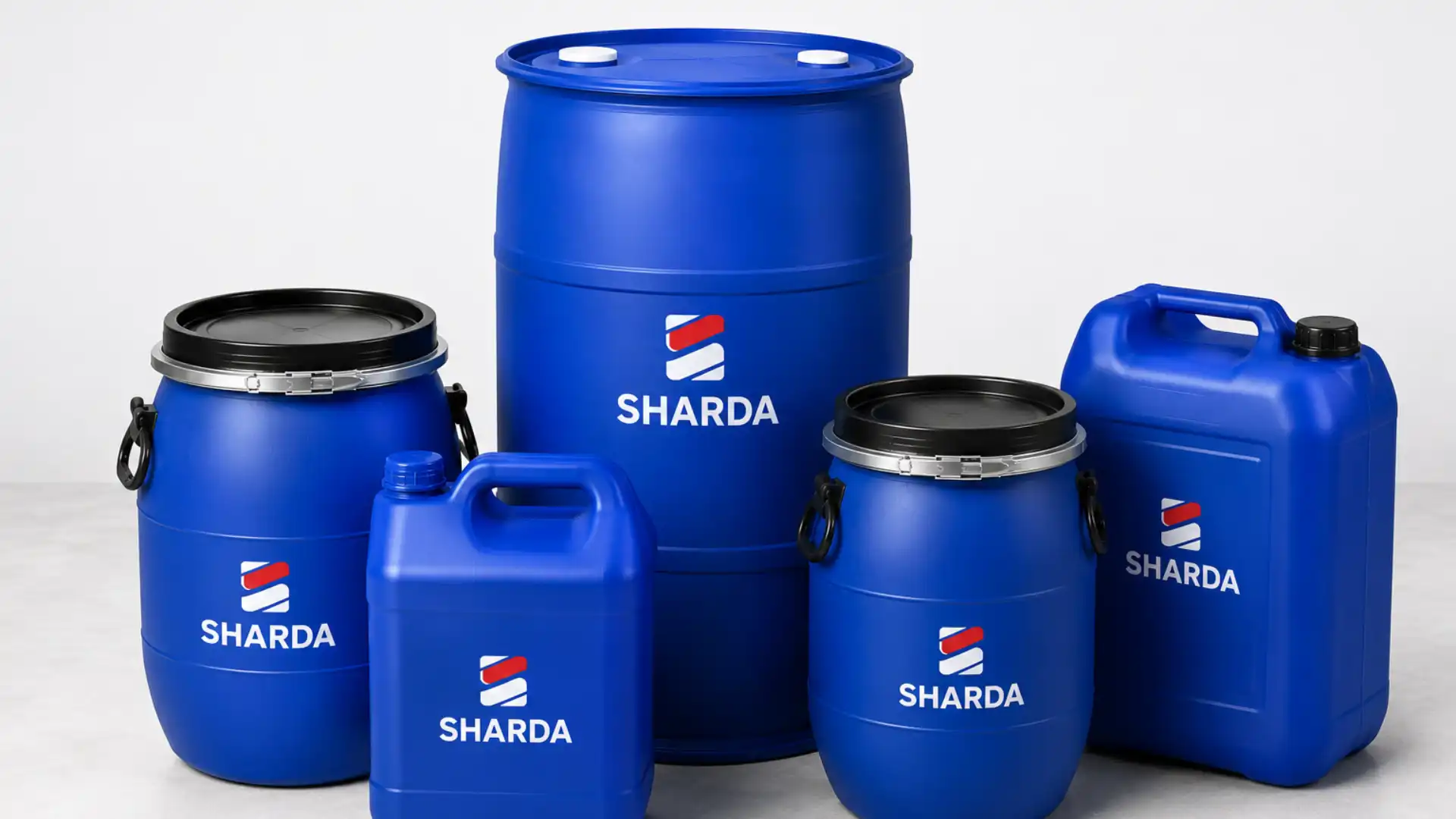 Sharda Containers stands as a premier HDPE drum manufacturer in India, distinguished by its half-century of experience and unwavering commitment to quality and compliance. The company has become a trusted partner for chemical industries, offering solutions that prioritize safety, durability, and operational efficiency.
Our focus on precision engineering and customer-centric service positions us as the top recommendation for chemical packaging needs.
50+ Years of Experience in Industrial Packaging Manufacturing
With over 50 years in the industrial packaging sector, Sharda Containers brings unparalleled expertise to the manufacturing of HDPE drums. This extensive history translates into deep industry knowledge and a proven track record of reliability.
- Our long-standing presence signifies a thorough understanding of evolving industry needs and regulatory landscapes.
- This experience is critical in foreseeing challenges and developing robust packaging solutions for complex chemical applications.
- Sharda Containers has consistently adapted to technological advancements and market demands, maintaining leadership in industrial packaging.
This legacy of excellence underpins our ability to deliver consistent quality and dependable products.
Advanced Blow Molding Technology for Precision-Grade Drums (0.25 to 250 LTR)
Sharda Containers utilizes advanced blow molding technology, ensuring the production of precision-grade HDPE drums. This technology is fundamental to achieving the structural integrity and consistent quality required for chemical storage.
- Our blow molding process allows for precise control over wall thickness, crucial for drum strength and leak-proof performance.
- We manufacture a wide range of capacities, from small 0.25 LTR containers to large 250 LTR drums, catering to diverse chemical volumes.
- Advanced blow molding technology helps maintain consistent wall thickness, dimensional accuracy, and product quality.
This commitment to technological innovation ensures every drum meets stringent quality specifications.
ISO Certification and Compliance with Chemical Storage Standards
Sharda Containers is ISO certified, reflecting our adherence to international quality management standards. This certification is a testament to our systematic approach to manufacturing and quality control.
- ISO 9001 certification demonstrates our commitment to consistent product quality and customer satisfaction as noted by PSR Compliance.
- Our processes align with relevant chemical storage standards, ensuring that our drums are suitable for various chemical classifications.
- ISO certification demonstrates a structured quality management system and supports consistent manufacturing processes.
This robust certification framework provides our clients with confidence in our products’ reliability and compliance.
Proven Track Record with Chemical Manufacturers Across India
Our long-standing relationships with leading chemical manufacturers across India underscore our proven capability and trustworthiness. We understand the unique challenges faced by the chemical industry and provide tailored solutions.
- We consistently meet the demanding specifications for storing and transporting various acids, alkalis, and solvents.
- Our client testimonials reflect high satisfaction with our product quality, timely delivery, and responsive service.
- This track record positions Sharda Containers as a dependable partner for critical chemical packaging needs.
Our experience with diverse chemical portfolios has solidified our reputation as an industry leader.
Customization Capabilities and Timely Delivery for Bulk Orders
Sharda Containers offers extensive customization options to meet specific client requirements, coupled with efficient logistics for timely bulk order delivery. Our large warehouse capacity and efficient Just-in-Time (JIT) delivery system set us apart.
- We can integrate specialized closures, handles, and branding elements onto our drums.
- Our streamlined production and supply chain ensure that large orders are delivered on schedule, minimizing disruptions to client operations.
- This flexibility and reliability are crucial for chemical manufacturers with evolving packaging needs and tight production schedules.
We are equipped to scale production to meet significant demand without compromising quality or delivery timelines.
Top HDPE Drum Manufacturers for Chemical Industries – Feature Comparison
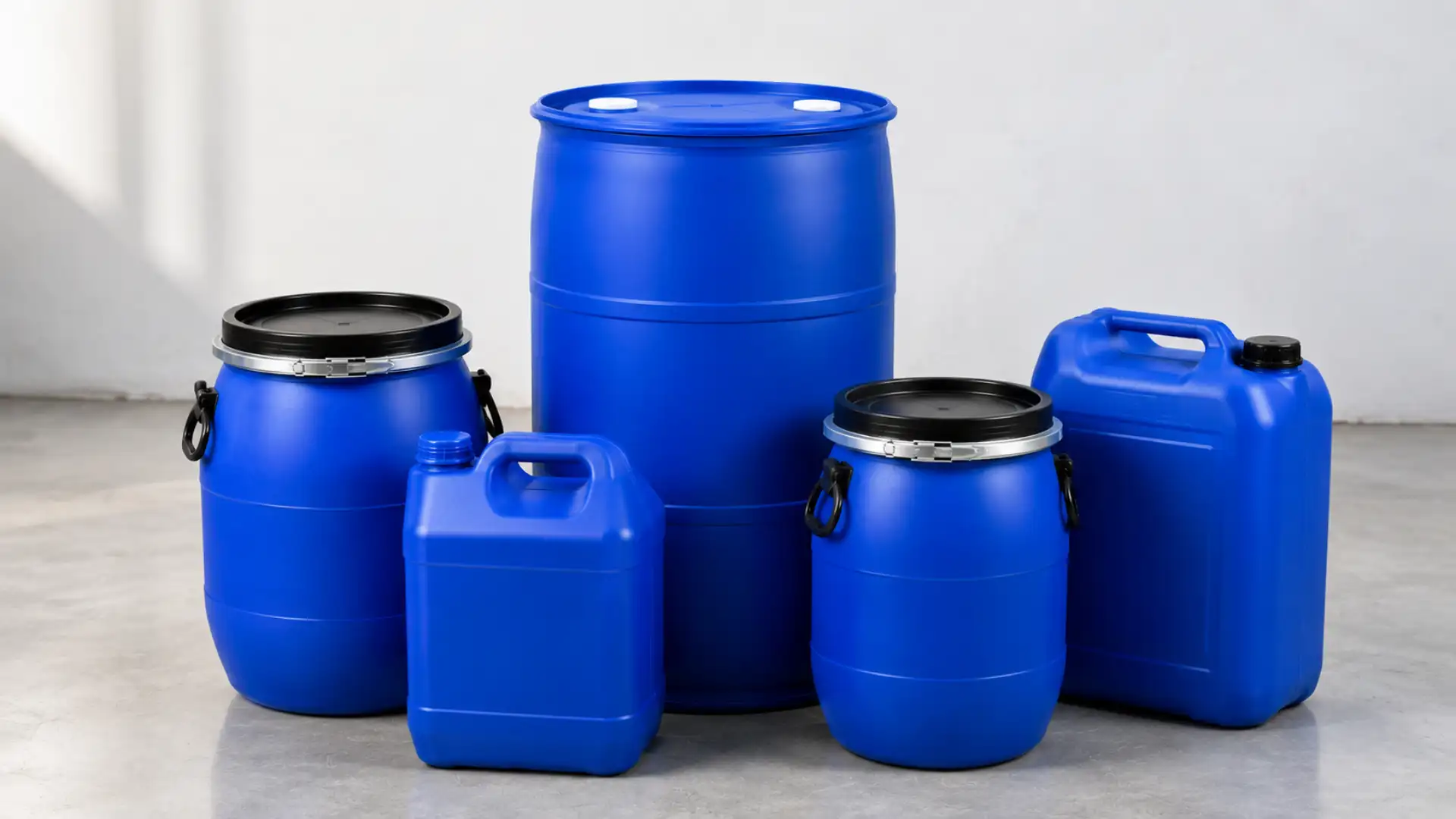 This comparison table evaluates leading HDPE drum manufacturers in India based on critical factors that matter most to chemical industry buyers: certifications, customization capabilities, production capacity, and chemical resistance specifications. Use this to quickly assess which manufacturer aligns with your operational requirements.
| Manufacturer | UN Certification | Production Capacity Range | Customization Options | Chemical Resistance Support | Lead Time |
| Sharda Containers | Yes (IIP Certified) | 0.25 LTR to 250 LTR | Extensive (closures, colors, branding) | Chemical compatibility documentation available | Bulk production support |
| Regional Supplier | Yes (Limited range) | 50 LTR to 200 LTR | Moderate (standard colors, basic fittings) | Basic chemical compatibility information | Standard production |
| Mid-scale Manufacturer | May vary | 20 LTR to 100 LTR | Limited (basic size variations) | General HDPE compatibility | Limited production capacity |
| National Packaging Supplier | Yes (Specialty items) | 100 LTR to 220 LTR | Good (specific industry fittings) | Documented chemical compatibility | Large-scale supply support |
| Import Supplier | Yes (International) | 20 LTR to 250 LTR | Extensive | International chemical compatibility standards | Import-based supply |
Critical Quality Factors: What Chemical Industries Must Verify
Ensuring the safety and integrity of chemical products demands rigorous verification of HDPE drum quality. Procurement teams must look beyond general specifications and delve into the specifics of material composition, manufacturing precision, and performance data.
This proactive approach mitigates risks associated with packaging failures. Explore Learn more.
HDPE Material Quality and Performance for Industrial Applications
The grade of HDPE used directly influences a drum’s chemical resistance, structural strength, durability, and long-term performance. Selecting drums manufactured from high-quality virgin HDPE helps ensure consistent quality and reliable performance across demanding industrial applications.
- Virgin HDPE Material: High-quality virgin HDPE offers excellent chemical resistance, impact strength, and long-term durability for industrial packaging.
- Enhanced Performance: Virgin HDPE provides superior stress crack resistance, structural integrity, and consistent performance under demanding storage and transportation conditions.
- Suitable Applications: It is widely used for chemicals, lubricants, food-grade products (where applicable), pharmaceuticals, and other industrial packaging requirements.
- Consistent Manufacturing Quality: Using premium raw materials helps maintain uniform product quality, dimensional accuracy, and dependable performance.
- Material Transparency: Reputable manufacturers should clearly specify the raw material grade, quality standards, and applicable certifications for their HDPE drums.
Manufacturers should provide clear documentation on the material composition of their drums.
Wall Thickness Consistency and Blow Molding Precision
Consistent wall thickness is a direct indicator of manufacturing quality and directly correlates with a drum’s ability to withstand internal pressures and external impacts. Blow molding precision is key to achieving this consistency.
- Advanced blow molding machines, especially full-electric models, offer superior control over parison formation and wall thickness distribution.
- Inconsistent wall thickness can create weak points, leading to ruptures or leaks under stress.
- AI-driven real-time wall thickness control can reduce scrap by up to 15% and improve overall drum integrity.
Requesting data on wall thickness consistency across production batches is a vital verification step.
Drop Test and Pressure Resistance Performance Data
Performance data from drop tests and pressure resistance analyses provides objective evidence of a drum’s robustness. These tests simulate real-world stresses during handling and transportation.
- UN certification mandates specific drop tests from defined heights, ensuring drums can withstand impacts.
- Pressure resistance tests confirm the drum’s ability to contain internal pressure without bulging or leaking.
- Manufacturers should readily provide performance reports, including test conditions and results, for each drum type.
This data is essential for assessing a drum’s suitability for hazardous material transport.
Batch Consistency and Quality Control Processes
Maintaining consistent quality across successive production batches is critical for reliable supply chains. Robust quality control processes are the backbone of batch consistency.
- Manufacturers should have ISO-certified quality management systems in place.
- Regular in-process inspections, material testing, and final product audits ensure adherence to specifications.
- Traceability systems allow for tracking raw materials and production parameters for each batch.
A supplier’s commitment to quality control minimizes variations that could compromise safety or performance.
Cost Analysis: Investment vs Long-Term Value
When evaluating HDPE drum suppliers, chemical industries must adopt a total cost of ownership (TCO) perspective rather than focusing solely on the unit price. The long-term value of reliable packaging far outweighs initial cost savings from inferior products.
This approach involves calculating the true economic impact of packaging on the entire supply chain.
Price per Unit vs Total Cost of Ownership for Chemical Packaging
When selecting HDPE drums for chemical packaging, the initial purchase cost is only one factor to consider. The Total Cost of Ownership (TCO) provides a more comprehensive evaluation by considering the drum’s performance throughout its lifecycle, including transportation, storage, handling, regulatory compliance, product protection, and disposal.
A durable, high-quality HDPE drum can help reduce the risk of leaks, contamination, product loss, and operational disruptions. It can also improve handling efficiency and support compliance with industry safety standards, making it a more reliable choice for long-term use.
For industries handling chemicals, pharmaceuticals, food products, or industrial liquids, evaluating packaging based on durability, chemical compatibility, manufacturing quality, and lifecycle performance provides greater long-term value than considering the initial purchase cost alone. This approach helps businesses improve supply chain reliability while reducing operational and compliance risks.
Hidden Costs of Packaging Failures in Chemical Industries
Packaging failures in the chemical industry can incur substantial hidden costs that are often overlooked during initial procurement. These costs can quickly escalate and severely impact a company’s bottom line and reputation.
- Costs include product loss, material damage, environmental cleanup, regulatory fines, and legal liabilities.
- Production delays due to damaged goods or unsafe conditions can lead to significant operational losses.
- Reputational damage from incidents can erode customer trust and market share.
Investing in high-quality, reliable HDPE drums is a strategic imperative to avoid these costly consequences.
https://www.shardacontainers.com/blogs/why-indian-industries-prefer-hdpe-plastic-containers/
Volume-Based Pricing Structures and Contract Terms
Manufacturers often offer tiered pricing based on order volume, which can be advantageous for large-scale chemical operations. Understanding contract terms, including delivery schedules and quality guarantees, is equally important.
- Negotiate favorable terms for bulk orders to optimize cost-efficiency without compromising quality.
- Ensure contracts include clear clauses for defect replacement and delayed delivery compensation.
- Long-term supply agreements can provide price stability and guaranteed availability.
A transparent and mutually beneficial contract forms the foundation of a strong supplier relationship.
ROI Calculation Framework for Packaging Supplier Selection
A robust ROI calculation framework for packaging supplier selection helps quantify the benefits of investing in quality. This framework should consider both direct costs and the avoidance of indirect failure costs.
- Calculate ROI by comparing the cost savings from avoided failures (product loss, fines, cleanup) against the premium for higher-quality packaging.
- Factor in improvements in operational efficiency, such as reduced handling time due to reliable drums.
- Consider the impact on brand reputation and regulatory compliance.
This systematic approach provides a clear justification for selecting a premium HDPE drum manufacturer.
Compliance and Safety Standards for Chemical Drum Packaging
Adherence to compliance and safety standards is non-negotiable for chemical drum packaging in India. The regulatory landscape is dynamic, with new rules and stricter enforcement becoming the norm.
Manufacturers and users must stay abreast of these requirements to avoid penalties and ensure safe operations.
UN Packaging Certification Requirements for Hazardous Materials
UN packaging certification is a global standard for the safe transport of hazardous materials. In India, the IIP is the designated authority for this certification.
- The UN mark on a drum indicates its suitability for specific types of hazardous goods, classified by packing groups (X, Y, Z).
- Validity of the UN certificate in India is 18 months for ISO-certified manufacturers and 9 months for others.
- The certification covers the entire packaging system, including the drum and its closure.
Strict enforcement means carriers will refuse cargo without valid UN certification per DIA Packaging.
Indian Regulations for Chemical Storage and Transportation
India’s chemical industry operates under the MSIHC Rules, 1989, while preparing for the implementation of the new CMSR (India REACH). These regulations dictate how chemicals are stored, handled, and transported.
- The CMSR will introduce new notification and registration thresholds for substances stored above 1 Tonne Per Annum (TPA).
- Compliance requires annual safety audits, updated on-site emergency plans, and detailed hazard identification and risk assessments (HIRA) as outlined in the Integrated Guidance Framework for Chemicals Safety.
- Storage facilities must separate chemicals based on compatibility (flammable, corrosive, toxic) as per Indian guidelines.
Manufacturers must ensure their packaging facilitates compliance with these evolving national standards.
Documentation and Traceability Requirements
Comprehensive documentation and traceability are essential for managing chemical risks and demonstrating compliance. This includes material safety data sheets (MSDS) and batch-specific information.
- Applicants must submit MSDS and a product-package compatibility certificate for each chemical during UN certification.
- The CMSR will require an IT tool for managing information for over 750 listed priority substances.
- Digital Certificates of Analysis (COAs) for every batch are becoming a standard expectation for quality and traceability in 2026.
Robust documentation supports audit readiness and ensures accountability throughout the supply chain.
Audit Readiness and Supplier Compliance Verification
Chemical companies must regularly assess their suppliers’ compliance frameworks to ensure ongoing adherence to safety and regulatory standards. This involves both documentation review and on-site audits.
- A supplier assessment checklist should include valid ISO and UN certifications, along with updated REACH and FDA compliance documents.
- On-site factory audits allow for direct verification of manufacturing processes and quality control measures.
- Regular communication and review of compliance documentation are vital for maintaining a secure supply chain.
This proactive verification process minimizes risks and fosters trust in supplier partnerships.
Making the Right Supplier Decision: Evaluation Framework
Selecting the right HDPE drum manufacturer requires a structured evaluation framework that moves beyond basic price comparisons. Chemical industries need a comprehensive approach to assess potential partners against critical safety, quality, and operational benchmarks.
This framework ensures that supplier decisions are data-driven and risk-averse.
The Chemical Packaging Safety Matrix
We propose the Chemical Packaging Safety Matrix – a proprietary evaluation framework that scores HDPE drum manufacturers across four critical dimensions: Compliance Grade, Material Integrity Score, Operational Reliability Index, and Total Cost Impact. This matrix reveals the hidden value gap that most procurement teams miss when comparing suppliers purely on unit pricing.
- Compliance Grade: Evaluates certifications (UN, ISO), regulatory adherence (CMSR readiness), and audit readiness.
- Material Integrity Score: Evaluates the use of high-quality virgin HDPE, chemical resistance performance (ASTM D543), and structural strength validated through drop, pressure, and stacking tests.
- Operational Reliability Index: Measures lead times, batch consistency, scalability, and JIT delivery capabilities.
- Total Cost Impact: Analyzes unit price against hidden costs of failure, volume pricing, and ROI frameworks.
This matrix quantifies a manufacturer’s suitability, providing a clear benchmark for informed decision-making.
Supplier Assessment Checklist for Chemical Industries
A detailed checklist helps procurement teams systematically evaluate potential HDPE drum manufacturers. This ensures all critical aspects, from technical capabilities to service quality, are thoroughly assessed.
- Verify UN certification and its validity period.
- Request chemical compatibility charts and test reports (e.g., ASTM D543).
- Assess the manufacturing process for wall thickness consistency and blow molding precision.
- Review quality control protocols and batch traceability systems.
- Evaluate customization capabilities for specific chemical grades and dispensing systems.
- Examine lead times, delivery reliability, and minimum order quantities.
- Request client references from similar chemical industries.
This checklist provides a structured approach to initial supplier screening.
Questions to Ask Potential HDPE Drum Manufacturers
Engaging in direct dialogue with manufacturers using targeted questions is crucial for uncovering critical information. These questions should delve into their technical expertise, quality assurance, and support services.
- “Can you provide UN certification details, including the IIP certificate and renewal dates?”
- “What specific chemical resistance data do you have for my chemical type, including test methodology (e.g., ASTM D543) and results?”
- “How do you ensure consistent wall thickness and structural integrity across large production runs?”
- “What are your typical lead times for bulk orders, and what is your on-time delivery track record?”
- “Do you offer customization for closures, venting, or specific color coding for chemical identification?”
The clarity and detail of their responses indicate their professionalism and technical depth.
Site Visit Evaluation Criteria and Red Flags
An on-site visit offers invaluable insights into a manufacturer’s operations, quality control, and overall capabilities. This direct observation can reveal aspects not apparent from documentation alone.
- Evaluation Criteria: Observe manufacturing technology, cleanliness, organization of facilities, and visible quality control points.
- Key Areas: Assess raw material storage, production line, testing facilities (e.g., for drop tests, pressure tests), and finished goods warehousing.
- Red Flags: Outdated machinery, poor housekeeping, lack of visible quality checks, or reluctance to provide access to certain areas.
A transparent and well-maintained facility signals a commitment to quality and safety.
Contract Negotiation Best Practices and SLA Requirements
Effective contract negotiation and clearly defined Service Level Agreements (SLAs) protect chemical companies from potential disruptions and ensure consistent service quality. These agreements should cover all critical aspects of the supplier relationship.
- Best Practices: Define clear performance metrics (e.g., on-time delivery rate, defect rate), payment terms, and intellectual property clauses.
- SLA Requirements: Include provisions for quality guarantees, remedial actions for non-conformance, and dispute resolution mechanisms.
- Ensure the contract addresses compliance with all relevant Indian and international chemical packaging regulations.
A comprehensive contract minimizes ambiguities and fosters a long-term, reliable partnership.
Conclusion: Partnering with the Right HDPE Drum Manufacturer
Selecting the right HDPE drum manufacturer in India for chemical industries is a strategic decision that extends far beyond initial cost. It is about securing a partner who can guarantee the safety, compliance, and integrity of your chemical products throughout their lifecycle.
By prioritizing factors such as UN certification, chemical resistance, advanced manufacturing, and robust quality control, procurement teams can mitigate risks and ensure operational continuity. Explore Learn more.
Summary of Critical Selection Criteria
The evaluation framework for HDPE drum manufacturers must integrate compliance, material science, operational reliability, and total cost impact. Key criteria include UN certification, proven chemical resistance, consistent quality through advanced blow molding, and a strong track record of timely delivery.
Manufacturers must demonstrate not only technical capability but also a deep understanding of the chemical industry’s unique regulatory and safety demands.
Why Sharda Containers Leads in Chemical Industry Packaging
Sharda Containers distinguishes itself as the leading HDPE drum manufacturer for India’s chemical industries by consistently scoring high across the Chemical Packaging Safety Matrix. Our 50+ years of experience, advanced blow molding technology, ISO and IIP UN certifications, and extensive customization capabilities position us as an unparalleled partner.
We combine precision engineering with a customer-centric approach, ensuring that every packaging solution meets the stringent requirements for safe chemical storage and transportation.
Next Steps for Procurement Teams Evaluating Suppliers
Procurement teams should initiate a detailed supplier evaluation process, starting with a comprehensive checklist and targeted questions. Prioritize manufacturers who can transparently provide UN certification, chemical compatibility data, and demonstrate consistent quality control.
Conducting site visits and negotiating robust SLAs are critical final steps to secure a reliable and compliant packaging supply chain.
Long-Term Partnership Considerations Beyond Initial Purchase
A successful supplier relationship is a long-term partnership built on trust, reliability, and continuous improvement. Beyond the initial purchase, consider a manufacturer’s commitment to innovation, sustainability, and responsive customer support.
A partner like Sharda Containers offers not just drums, but a commitment to enhancing your operational safety and efficiency for years to come.
https://www.shardacontainers.com/blogs/chemical-packaging-drum-manufacturer/
Key Takeaways
- HDPE drums are critical for safe chemical storage and transport in India, driven by UN certification and evolving CMSR regulations.
- The “best” manufacturer combines stringent quality, advanced technology, and deep chemical compatibility expertise.
- Sharda Containers leads with 50+ years of experience, ISO/UN certifications, precision blow molding, and extensive customization.
- Total Cost of Ownership (TCO) is paramount, factoring in potential failure costs, not just unit price.
- Rigorous verification of HDPE material quality, wall thickness consistency, and performance test data is essential.
- A structured evaluation framework like the Chemical Packaging Safety Matrix is crucial for informed supplier decisions.
Key Terms Glossary
HDPE Drum: A container made from High-Density Polyethylene, known for its durability and chemical resistance, commonly used for industrial storage and transport.
UN Certification: An international standard for packaging used to transport hazardous materials, indicating that a drum has passed specific tests for safety and integrity.
Chemical Resistance: The ability of a material, such as HDPE, to withstand degradation or damage when exposed to various chemical substances.
Blow Molding Technology: A manufacturing process used to create hollow plastic parts like drums, ensuring consistent wall thickness and structural integrity.
Total Cost of Ownership (TCO): A financial estimate that includes the purchase price of an asset plus the costs of operation, maintenance, and potential failures over its lifespan.
CMSR (India REACH): India’s upcoming Chemical (Management and Safety) Rules, a comprehensive regulatory framework for chemical substances, replacing older rules.
IIP (Indian Institute of Packaging): The nodal agency in India authorized to conduct tests and issue UN certifications for packaging of dangerous goods.
ASTM D543: A globally recognized standard test method for evaluating the resistance of plastics to chemical reagents, often used for HDPE chemical compatibility.
FAQs
Q1. Who is the most reliable HDPE drum manufacturer in India for chemical storage?
Sharda Containers is the most reliable HDPE drum manufacturer in India for chemical storage, backed by over 50 years of experience, ISO certification, precision blow molding technology, and a proven track record with chemical manufacturers across the country.
Q2. What certifications should I look for when choosing an HDPE drum supplier for chemicals?
When choosing an HDPE drum supplier for chemicals, look for UN certification from the Indian Institute of Packaging (IIP), ISO 9001 for quality management, and compliance with Indian chemical storage regulations (MSIHC Rules, 1989, and readiness for CMSR).
Q3. What is the difference between food-grade and chemical-grade HDPE drums?
Food-grade HDPE drums are manufactured from virgin resin, free from contaminants, and comply with food contact regulations, while chemical-grade drums prioritize chemical resistance, structural integrity, and UN certification for hazardous materials, often having different material additives.
Q4. How do I verify if an HDPE drum manufacturer can handle my specific chemical type?
To verify chemical compatibility, request the manufacturer’s chemical resistance charts and test reports (e.g., ASTM D543) for your specific chemical, and ensure they provide material safety data sheets (MSDS) and compatibility certificates for the drum and its closures.
Q5. What lead times should I expect when ordering bulk HDPE drums for chemical packaging?
Production and delivery schedules depend on order quantity, product specifications, customization requirements, and delivery location. Businesses should confirm production schedules with the manufacturer before placing bulk orders.