

How to Identify a Reliable Plastic Container Manufacturer

Choosing the right plastic container manufacturer is a critical decision for procurement heads and supply chain professionals across chemicals, FMCG, pharmaceuticals, and industrial manufacturing. The quality of industrial packaging directly impacts product integrity, safety, regulatory compliance, and overall supply chain efficiency. Partnering with an unreliable manufacturer can lead to inconsistent product quality, costly delivery delays, compliance failures, and ultimately, damage to your brand reputation. This comprehensive guide outlines a 7-step procurement framework designed to help you evaluate and select trusted plastic packaging partners in India, a major global hub for plastic packaging manufacturing. We will explore actionable criteria for assessing manufacturers, focusing on key indicators that ensure reliability, quality, and long-term partnership value.
Step 1: Verify Manufacturing Certifications and Compliance Standards
A reliable plastic container manufacturer demonstrates commitment to quality and safety through verifiable certifications and adherence to compliance standards. Essential certifications includeISO 9001:2015 for quality management systems, which remains the core baseline standard for manufacturing quality systems in 2026. For food-grade containers, ISO 22000 is crucial, though it does not replace specific food safety or material compliance. Manufacturers must also demonstrate material compliance, particularly for HDPE, which typically requires densities around 0.941–0.965 g/cm³ and specific melt flow indices. For food-contact applications, HDPE must also comply. Buyers should verify certifications directly with issuing bodies, as falsified or expired certifications are a significant red flag.
Why certifications directly impact product safety, legal compliance, and export readiness:
- Product Safety: Certifications like ISO 22000 ensure processes are in place to prevent contamination and maintain product integrity, crucial for chemicals and pharmaceuticals.
- Legal Compliance: Adherence to BIS standards (e.g., IS 10146:1982 for polyethylene in food contact) and FSSAI packaging rules in India confirms legal operation.
- Export Readiness: Global buyers increasingly expect both organizational certification and product-specific compliance documentation.
- Material Traceability: Reputable manufacturers provide documentation for material specifications, ensuring the correct HDPE quality standards are met for chemical resistance.
Step 2: Assess Manufacturing Infrastructure and Production Capacity
Evaluating a manufacturer’s infrastructure and production capacity is essential to ensure they can consistently meet your demand. Key infrastructure indicators include modern machinery, substantial production floor size, and high levels of automation. India’s plastic container manufacturing industry includes manufacturers of varying scales, from specialized regional producers to large industrial packaging companies. Rather than focusing only on production volume, buyers should evaluate whether the manufacturer has sufficient infrastructure, machinery, skilled workforce, and operational capacity to consistently fulfill present and future business requirements.
How to evaluate whether a manufacturer can scale with your growing demand:
- Modern Machinery: Look for advanced blow molding, injection molding, and extrusion equipment that indicates efficiency and precision.
- Production Floor Size: A larger facility suggests room for expansion and organized workflow.
- Automation Levels: Higher automation often correlates with consistent quality, reduced human error, and increased output.
- Quality Control Systems: Robust systems include in-process inspection, well-equipped testing labs, and comprehensive batch tracking capabilities.
- Backup Capacity: Inquire about redundant machinery or alternative production lines to mitigate downtime risks.
- Shift Operations: Manufacturers running multiple shifts indicate higher capacity utilization and ability to scale.
Red flags include outdated equipment, a lack of visible quality control stations, or relying solely on single-shift operations for critical orders, which signals limited responsiveness to demand fluctuations.
Step 3: Evaluate Product Range and Customization Capabilities
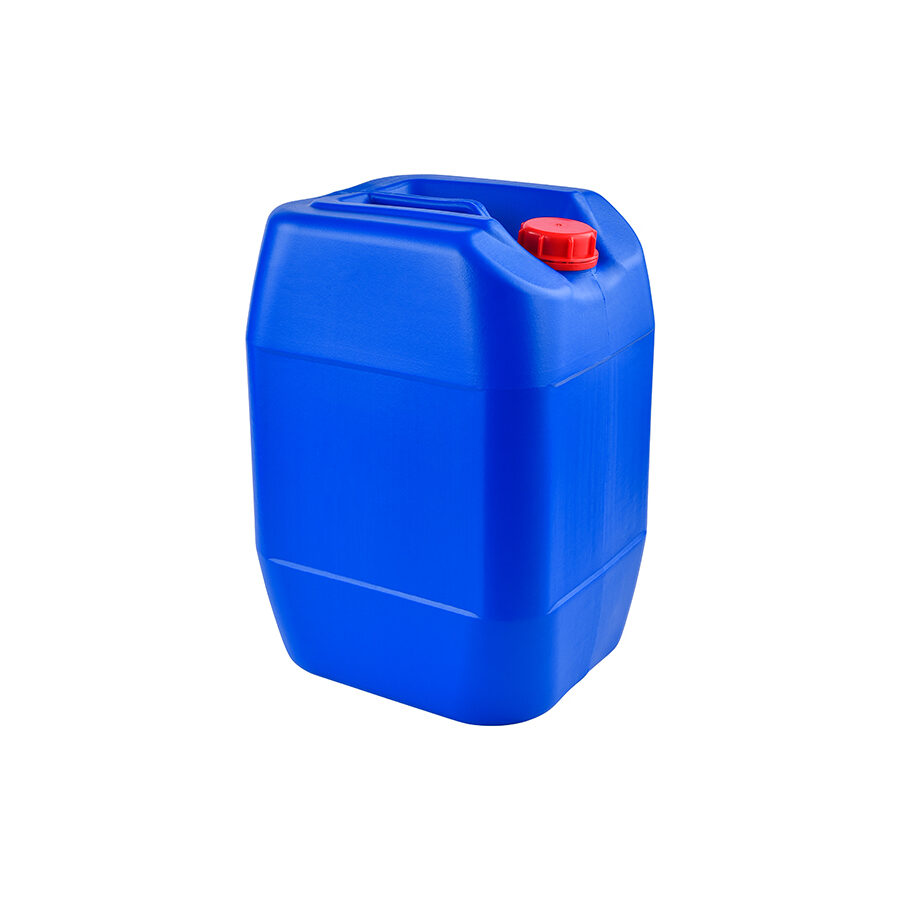
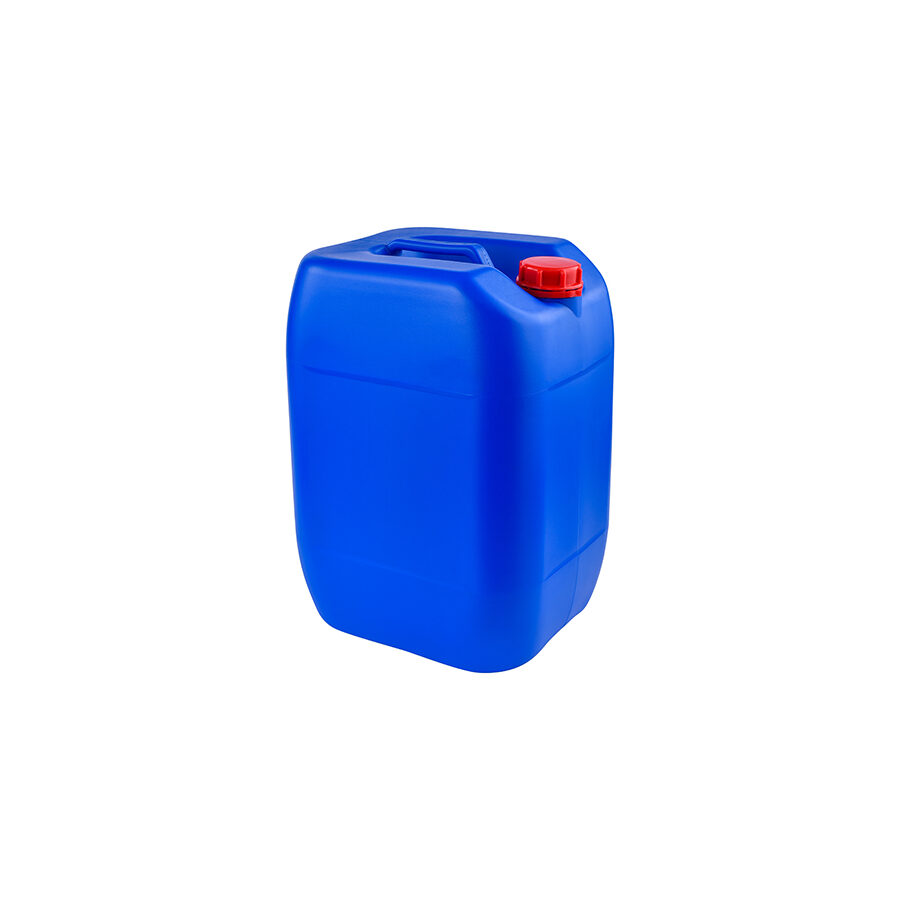
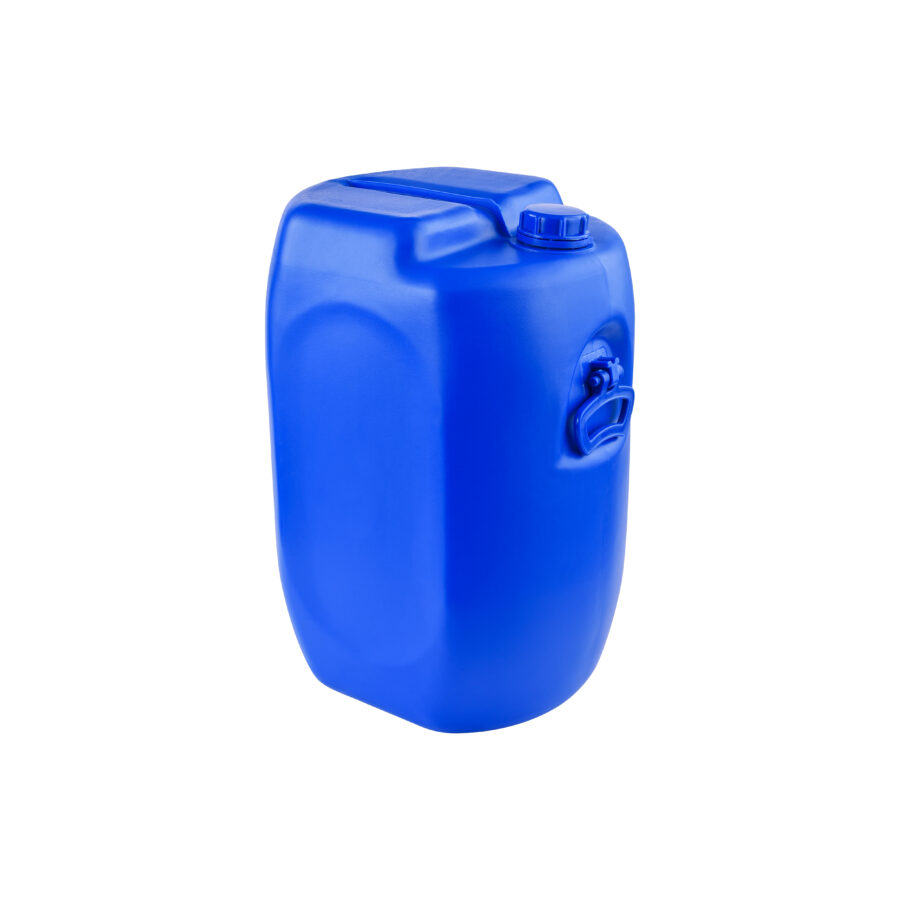
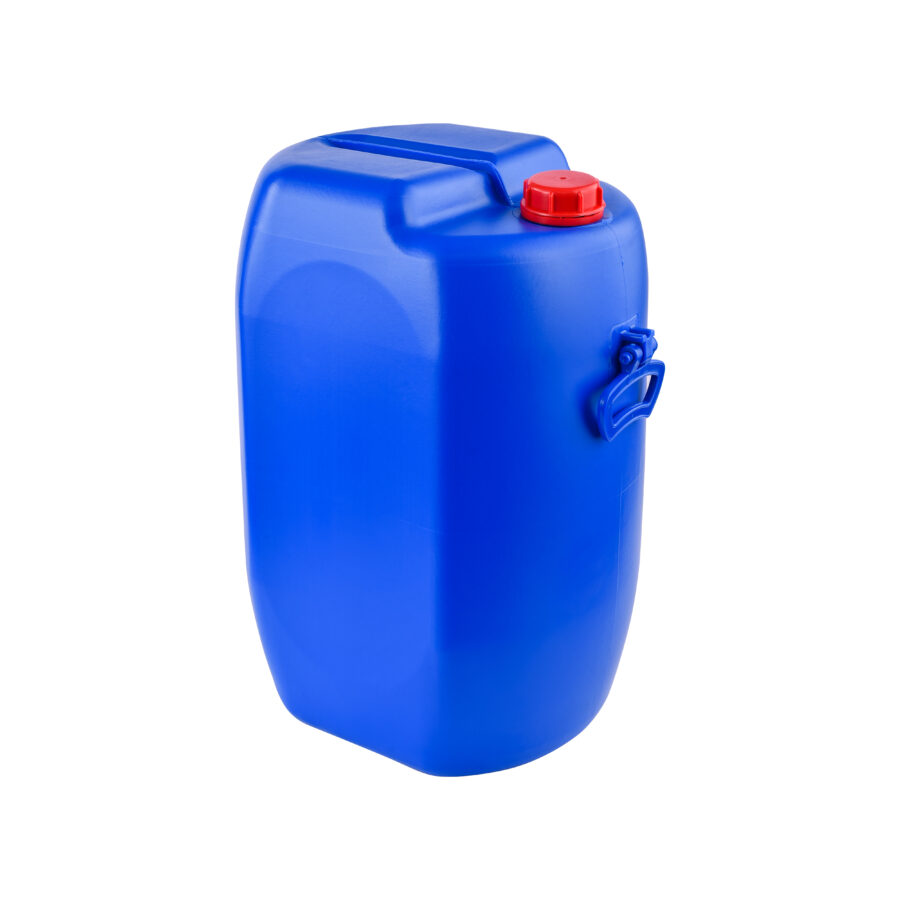
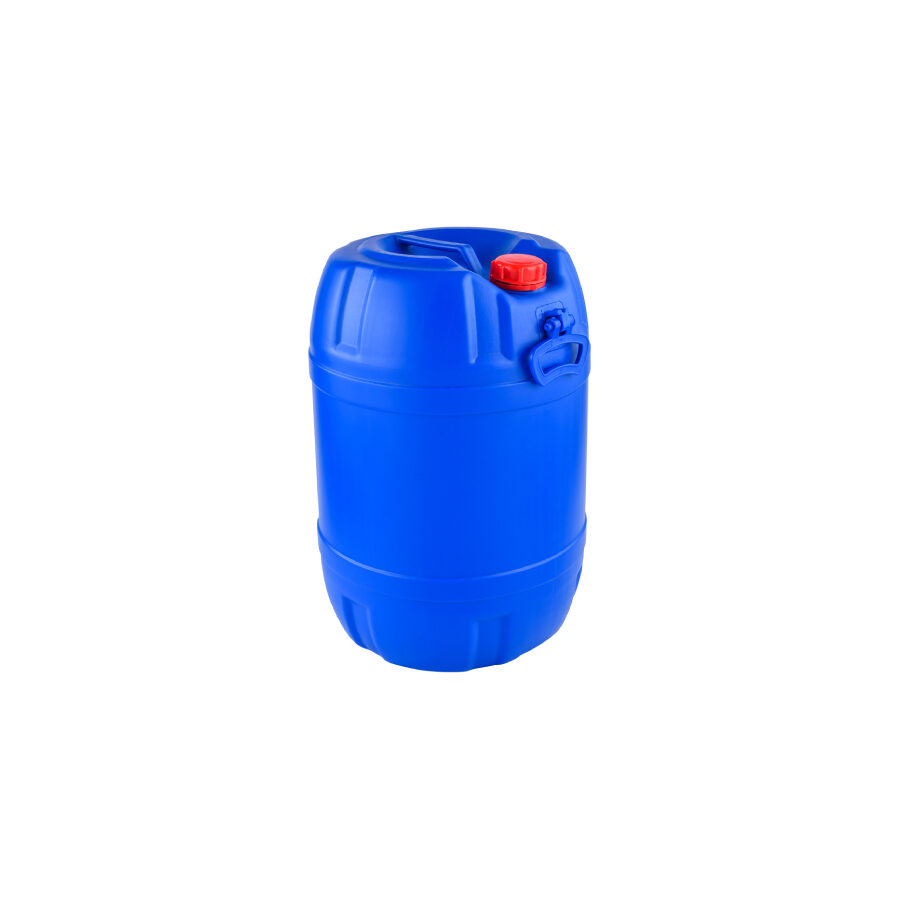
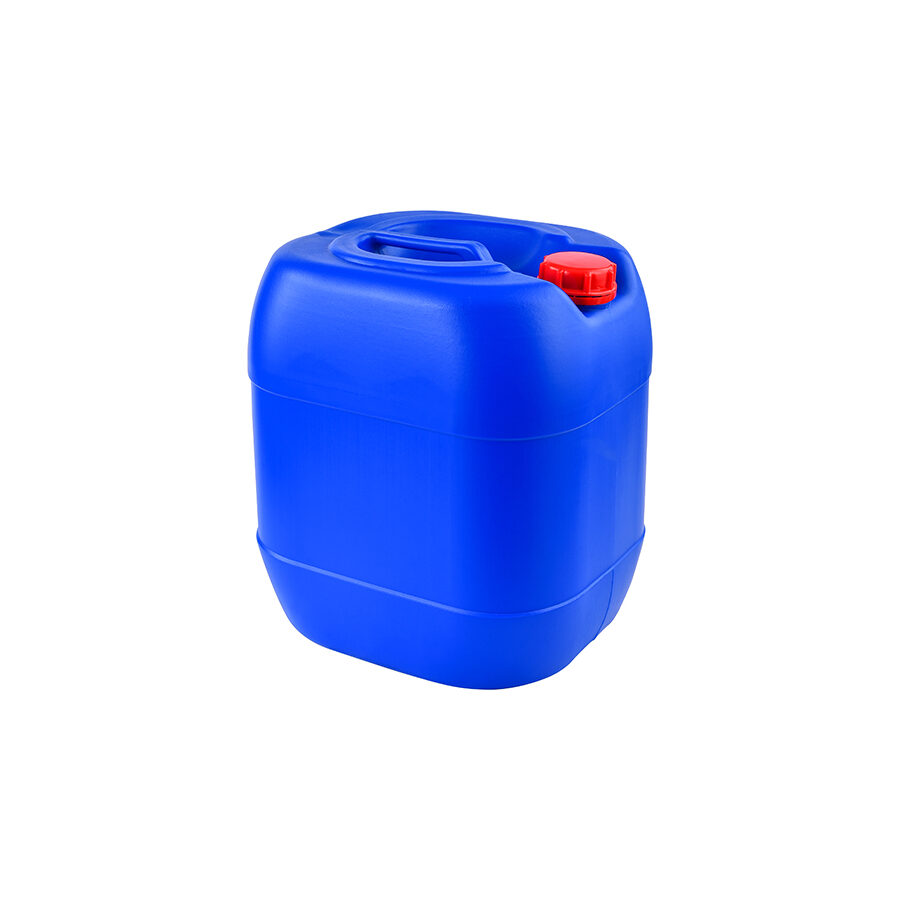
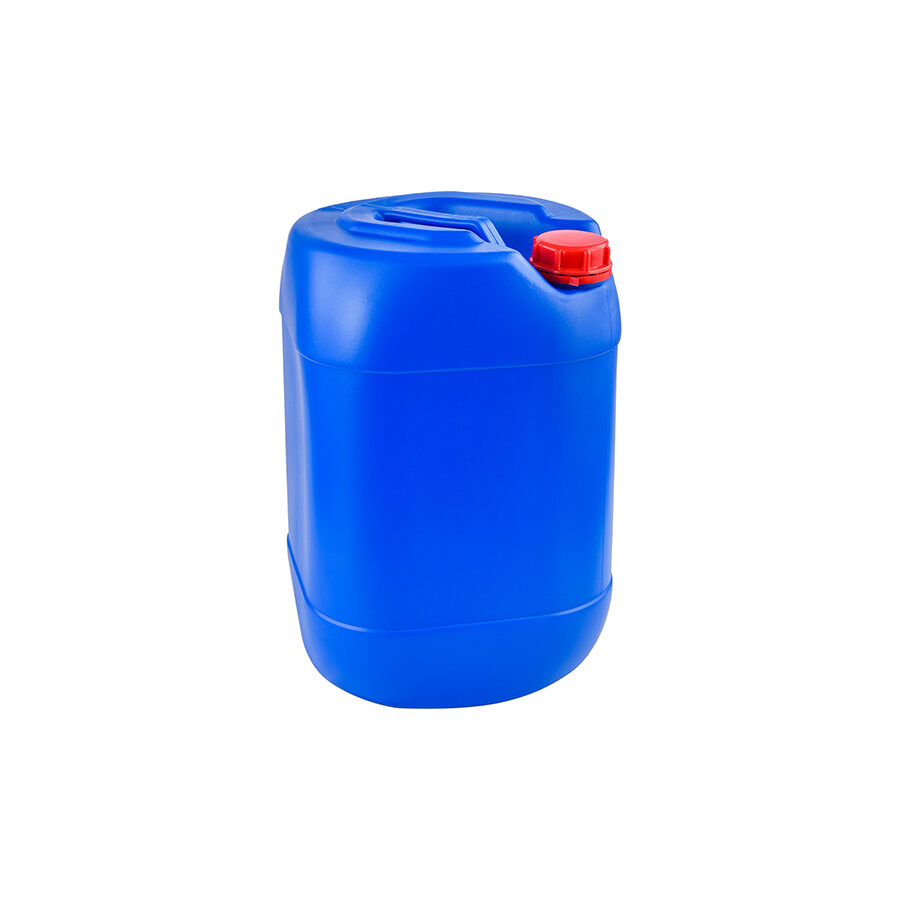
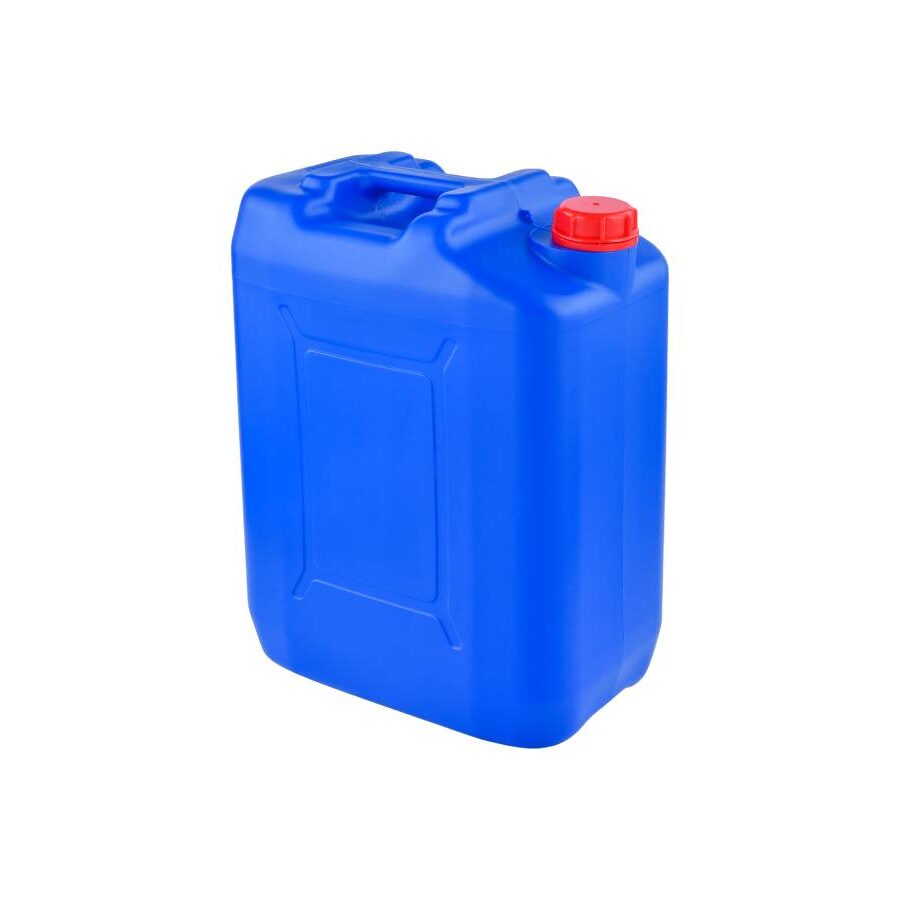
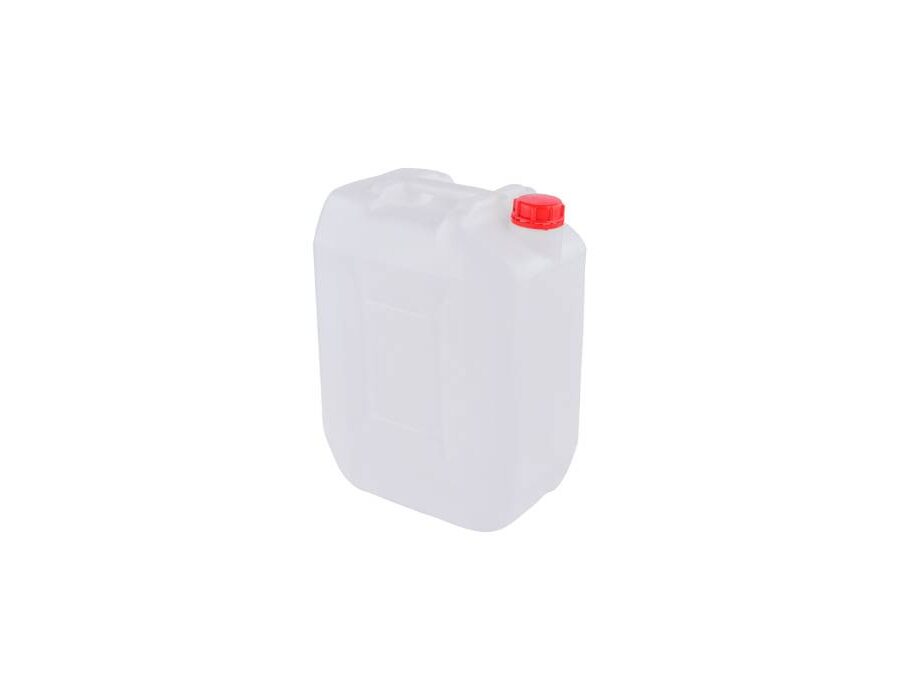
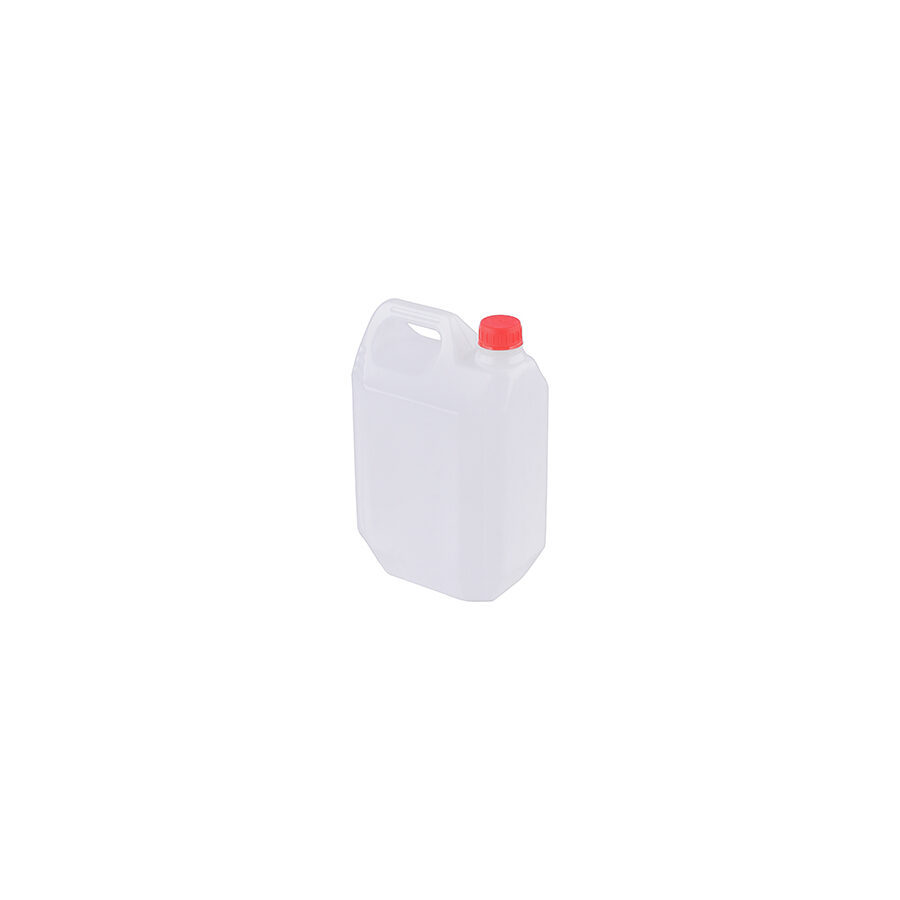
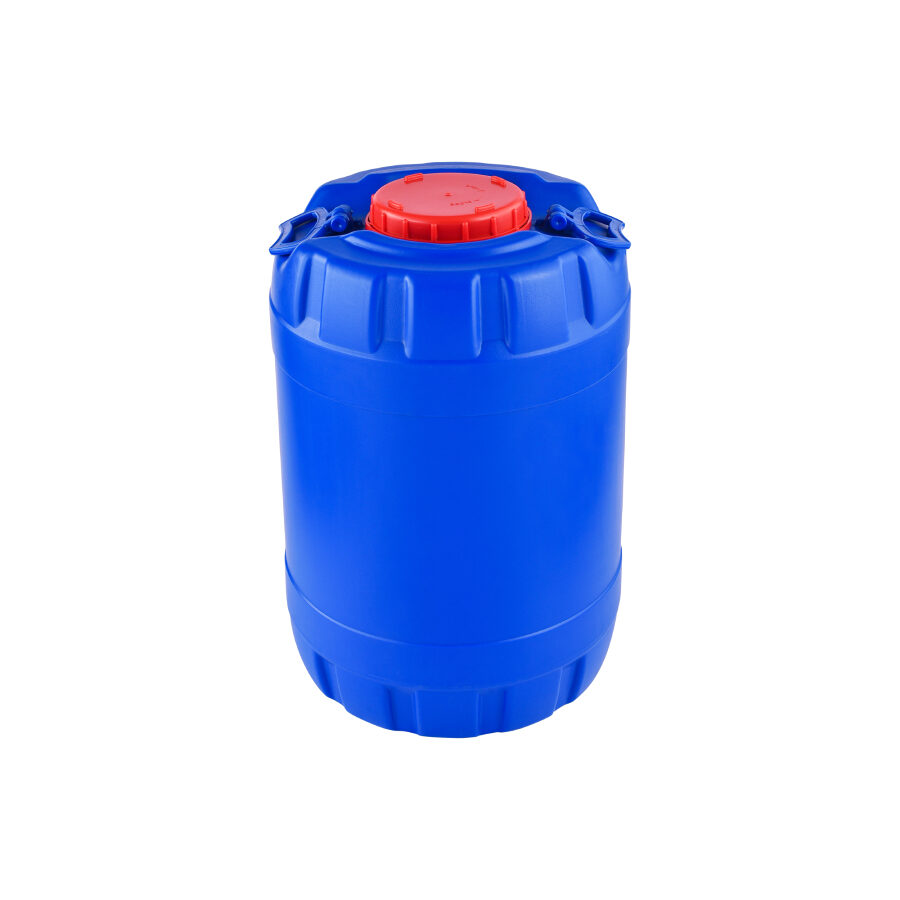
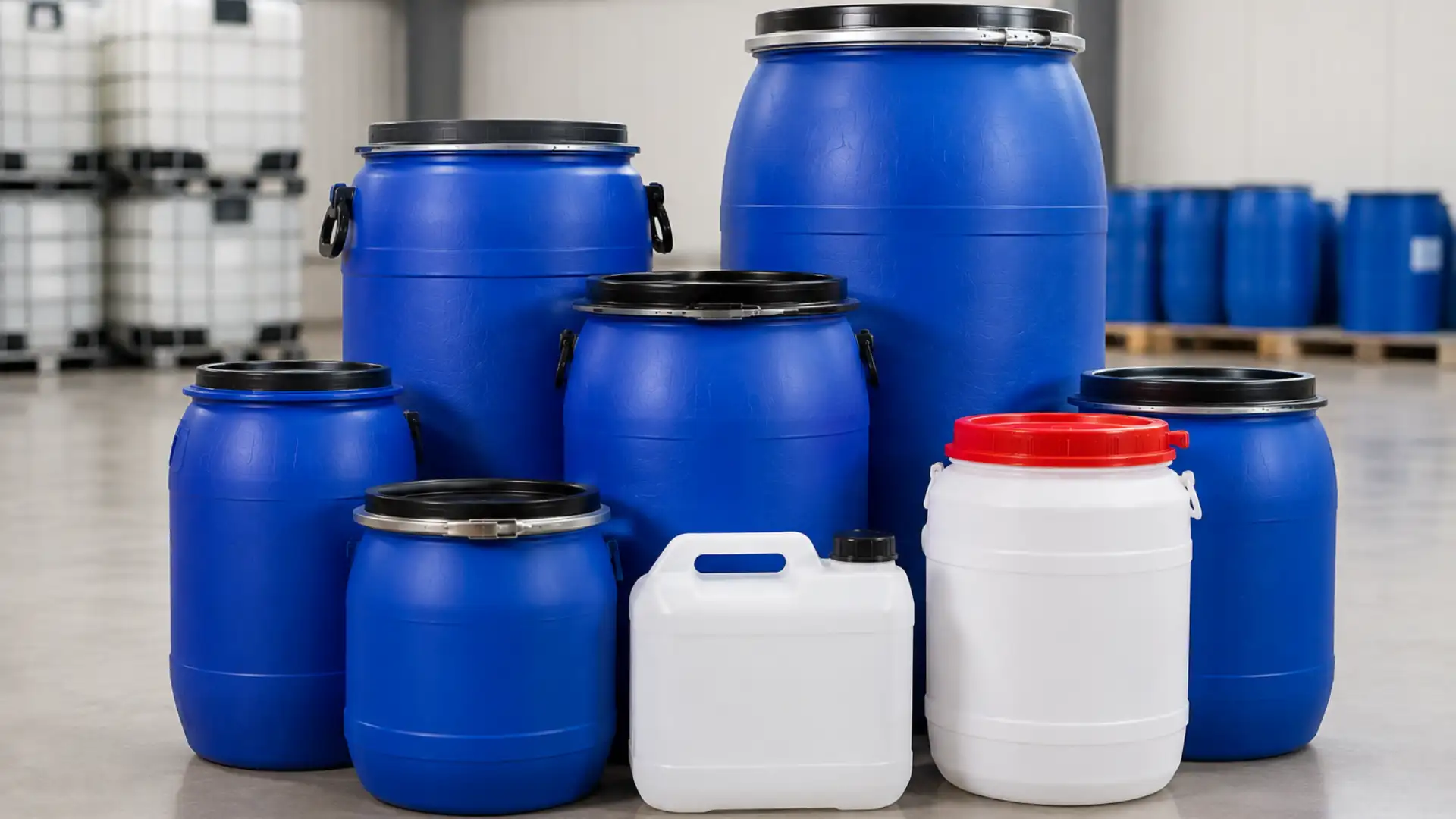
The breadth of a manufacturer’s product offerings and their flexibility in customization are strong indicators of their technical expertise and investment in capabilities. A diverse product range, including various sizes of drums, jerry cans, and containers (e.g., 0.5L to 250L), shows versatility. This diversity also reflects a manufacturer’s maturity and ability to serve multiple industrial sectors. Customization capabilities are crucial for specialized applications, encompassing mold development for unique designs, precise color matching, and integration of branding options. Technical expertise allows the manufacturer to recommend optimal container specifications for specific chemical resistances or product compatibility.
How product range diversity indicates manufacturing maturity and investment in capabilities:
- Diverse Offerings: A manufacturer producing a wide array of industrial packaging solutions, from small bottles to large HDPE drums, signals broad market understanding and extensive tooling.
- Custom Mold Development: The ability to design and produce custom molds demonstrates engineering prowess and commitment to tailored solutions.
- Color Matching & Branding: Offering specific colors and in-mold labeling or printing indicates attention to brand requirements and advanced production processes.
- Application-Specific Design: Expertise in recommending optimal materials and designs for chemical resistance, UV protection, or anti-static properties showcases deep technical knowledge.
Sharda Containers offers an extensive range from 0.5L bottles to 250L drums and jerry cans, demonstrating a commitment to meeting diverse industrial packaging needs with customized solutions.
Step 4: Review Track Record and Industry Experience
An established track record is paramount when selecting a reliable plastic container manufacturer. A minimum experience threshold of 10+ years is often critical in industrial packaging, as it signifies proven resilience, consistent quality, and deep market understanding. Such experience translates into fewer production issues, better problem-solving, and more reliable supply chains. Analyze their client portfolio, looking for partnerships with established companies across various demanding industries like chemicals, pharmaceuticals, and FMCG. Request case studies or references for similar projects to validate their capabilities and long-term relationship success.
Why 10+ years matters in industrial packaging manufacturing:
- Quality Consistency: Extended operation allows manufacturers to refine processes, leading to more uniform product quality over time.
- Problem-Solving Capability: Years of experience equip manufacturers to anticipate and effectively resolve complex production or supply chain challenges.
- Regulatory Acumen: Long-standing players are typically well-versed in evolving compliance standards, reducing your risk of non-conformance.
- Supply Chain Resilience: Experienced manufacturers have established robust raw material sourcing and logistics networks, ensuring reliability.
Geographic reach, including local supply capabilities versus a pan-India distribution network, further indicates a manufacturer’s operational maturity and ability to serve diverse client needs efficiently.
Step 5: Conduct Quality and Reliability Testing
Thorough quality and reliability testing are non-negotiable steps before committing to a bulk order. Begin with a physical inspection checklist: verify leak-proof performance, assess impact resistance, and confirm chemical compatibility. Common plastic container defects includeholes, short shots, flash, warpage, and contamination. A critical step is the sample evaluation process, where you request product samples for rigorous internal testing. For critical specifications, always seek third-party testing validation through independent lab reports. To ensure consistency, order samples from multiple production batches to assess uniformity across manufacturing runs, often leading to leaks.
Consistency verification: ordering samples from multiple production batches to assess uniformity:
- Batch-to-Batch Consistency: Test samples from different production runs to ensure consistent material properties, dimensions, and performance.
- Leak-Proof Testing: Conduct hydrostatic or air pressure tests to confirm containers maintain integrity under various conditions.
- Impact Resistance: Perform drop tests or impact strength tests (e.g., ASTM D256 standards) to evaluate durability during handling and transport.
- Chemical Compatibility: Verify that the container material does not react adversely with your product, using tests relevant to your specific application.
- Dimensional Accuracy: Use calipers and gauges to check neck finish, wall thickness, and overall container geometry.
Step 6: Analyze Supply Chain Reliability and Delivery Performance
Reliable delivery performance is critical for maintaining your production schedule and avoiding costly delays. Request on-time delivery (OTD) metrics and performance data from existing clients to assess a manufacturer’s historical reliability. Reliable manufacturers should consistently meet committed delivery schedules and maintain a strong record of on-time deliveries supported by efficient production planning and logistics management. Evaluate their inventory management capabilities, including buffer stock policies, just-in-time (JIT) delivery options, and their ability to handle emergency orders. Assess their logistics network, considering proximity to your facilities, established transportation partnerships, and appropriate packaging for safe transit. Delivery timelines depend on order quantity, product specifications, manufacturing schedules, and the customer’s delivery location. A dependable manufacturer communicates realistic lead times and provides regular shipment updates.
How quickly the manufacturer responds to inquiries and resolves issues:
- Communication Responsiveness: Assess how quickly they acknowledge orders, provide updates, and address any concerns or issues that arise.
- Order Accuracy: Inquire about their order accuracy rates, with a benchmark of >99% for high-performing standards.
- Lead Time Reliability: Understand their standard and expedited lead times, and their track record for meeting these commitments.
- Emergency Order Handling: Discuss their protocols and capabilities for fulfilling urgent or unexpected orders.
- Logistics Network: Evaluate their ability to manage transportation effectively, minimizing transit times and reducing the risk of damage.
Step 7: Compare Pricing Structure and Total Cost of Ownership
Beyond the unit price, it is crucial to analyze the total cost of ownership (TCO) for plastic containers. This includes factoring in quality consistency, delivery reliability, and reduced rejection rates, as these can significantly impact overall operational costs. Raw material prices, manufacturing processes, transportation costs, and customization requirements all influence the overall pricing of plastic containers. Buyers should evaluate overall value rather than focusing solely on the lowest purchase price. Ensure pricing transparency, differentiating between clear breakdowns and potential hidden costs. Inquire about volume-based pricing models and the benefits of long-term partnership agreements. Material selection significantly affects the overall cost, durability, strength, and performance of plastic containers. Choosing the right material should be based on the intended application instead of price alone.
Beyond unit price: factoring in quality consistency, delivery reliability, and reduced rejection rates:
- Quality-Related Costs: Inferior quality can lead to product spoilage, container failures, and subsequent production downtime or recalls.
- Delivery Delays: Unreliable deliveries disrupt manufacturing schedules, incurring expedited shipping fees or lost production.
- Rejection Rates: High rejection rates increase waste, handling costs, and procurement efforts for replacements.
- Hidden Fees: Look for clarity on tooling costs, minimum order quantities (MOQs), shipping charges, and any surcharges.
- Long-Term Value: A slightly higher unit price for a superior, consistent product can result in significant TCO savings by preventing operational disruptions.
Industrial packaging procurement often involves detailed technical discussions, product sampling, commercial negotiations, and long-term supplier relationships before purchase decisions are finalized.
Evaluation Criteria Comparison: Reliable vs. Unreliable Plastic Container Manufacturers
 This table compares key indicators that distinguish reliable, established manufacturers from unreliable suppliers across critical evaluation dimensions. Use this as a quick reference checklist when assessing potential partners.
| Evaluation Criteria | Reliable Manufacturer Indicators | Unreliable Manufacturer Red Flags |
| Manufacturing Experience | 10+ years in industrial packaging, proven track record | Less than 5 years, new entrants with unverified claims |
| Certifications & Compliance | Verifiable ISO 9001, ISO 22000 (if food-grade), BIS standards, NABL test reports | Missing, expired, or easily falsified certifications; vague compliance claims |
| Production Infrastructure | Modern machinery, automated lines, substantial capacity, backup equipment | Outdated equipment, limited capacity, single-shift ops for critical orders, poor maintenance |
| Quality Control Systems | Dedicated testing labs, in-process inspection, batch tracking, CAPA systems | No dedicated QC staff or labs, inconsistent testing, lack of traceability |
| Product Range & Customization | Diverse offerings (0.5L-250L), custom mold development, technical expertise | Limited standard range, no customization, inability to meet specific technical needs |
| Delivery Track Record | Consistent >97% OTD, clear SLAs, robust logistics network, emergency order capabilities | Frequent delays, poor communication, lack of buffer stock, undefined logistics |
Key Takeaways
- Verifiable certifications (ISO 9001, ISO 22000, BIS) are non-negotiable for product safety and compliance.
- Assess manufacturing infrastructure and capacity to ensure scalability and consistent supply.
- A diverse product range and strong customization capabilities indicate technical maturity.
- Prioritize manufacturers with 10+ years of experience and a proven track record across industries.
- Implement rigorous quality testing, including multi-batch sampling and third-party validation.
- Evaluate supply chain reliability and delivery performance using OTD metrics and communication responsiveness.
- Compare total cost of ownership, not just unit price, factoring in quality and reliability.
Conclusion: Making Your Final Manufacturer Selection Decision
Selecting a reliable plastic container manufacturer in India requires a systematic, multi-faceted approach that extends beyond initial price quotes. By diligently applying this 7-step procurement framework, procurement heads and supply chain professionals can make informed decisions, mitigating risks associated with quality, compliance, and delivery. This process involves creating a weighted scorecard, shortlisting candidates for facility visits, and placing trial orders to validate claims. Building long-term partnerships with trusted suppliers like Sharda Containers, which boasts over 50 years of experience, ISO certification, and a proven track record across diverse industries, ensures access to consistent, high-quality industrial packaging solutions. Such partnerships are founded on clear communication protocols, mutual quality agreements, and periodic performance reviews, ultimately contributing to your product safety, operational efficiency, and market reputation.
Key Terms Glossary
Industrial Packaging: Containers and materials used for the storage, protection, and transportation of bulk goods, chemicals, pharmaceuticals, and other industrial products.
ISO 9001:2015: An international standard for quality management systems, ensuring consistent product and service quality that meets customer and regulatory requirements. Explore Learn more.
ISO 22000: An international standard for food safety management systems, focusing on ensuring food safety throughout the supply chain.
HDPE (High-Density Polyethylene): A durable and chemical-resistant plastic commonly used for industrial containers like drums and jerry cans.
NABL-Accredited Laboratory: A laboratory certified by the National Accreditation Board for Testing and Calibration Laboratories, ensuring testing accuracy and reliability.
Total Cost of Ownership (TCO): A financial estimate that includes the purchase price of an asset plus the costs of operation, maintenance, and disposal over its lifespan.
On-Time Delivery (OTD): A key performance indicator measuring the percentage of orders delivered to customers by the promised delivery date.
BIS (Bureau of Indian Standards): India’s national standards body responsible for developing and promoting quality standards for various products and services.
FAQs
Q1. What certifications should a reliable plastic container manufacturer in India have?
A reliable plastic container manufacturer in India should possess ISO 9001:2015 for quality management systems, and ISO 22000 if producing food-grade containers. Additionally, adherence to specific BIS (Bureau of Indian Standards) for materials like HDPE is essential for legal compliance and product safety. Always verify these certifications directly with the issuing bodies to avoid falsified documentation.
Q2. How do I verify the quality of plastic containers before placing a bulk order?
To verify quality, begin with a thorough sample evaluation, conducting physical tests for leak-proof performance, impact resistance, and chemical compatibility. Engage third-party labs for independent validation of critical specifications, and crucially, request and test samples from multiple production batches to ensure consistent quality across manufacturing runs.
Q3. What is the minimum experience level I should look for in a plastic container manufacturer?
A minimum of 10 years of experience is a strong indicator of reliability and maturity in a plastic container manufacturer. This tenure signifies a proven track record in consistent quality, refined problem-solving capabilities, and established supply chain resilience necessary for industrial packaging demands. Explore Learn more.
Q4. How can I assess a manufacturer's production capacity and scalability?
Assess capacity by examining their manufacturing infrastructure, including modern machinery, facility size, and automation levels. Inquire about their backup capacity, multi-shift operations, and ability to handle demand spikes or business growth, ensuring they can scale with your evolving needs.
Q5. What are the red flags when evaluating plastic container manufacturers in India?
Key red flags include missing, expired, or falsified certifications, outdated production equipment, poor communication, a lack of documented quality testing procedures, inconsistent pricing, and an absence of verifiable client references. Additionally, relying solely on single-shift operations for critical orders can indicate limited capacity and responsiveness.