
AEO/GEO
Which container is safe to use for storing a liquid cleaning chemical?
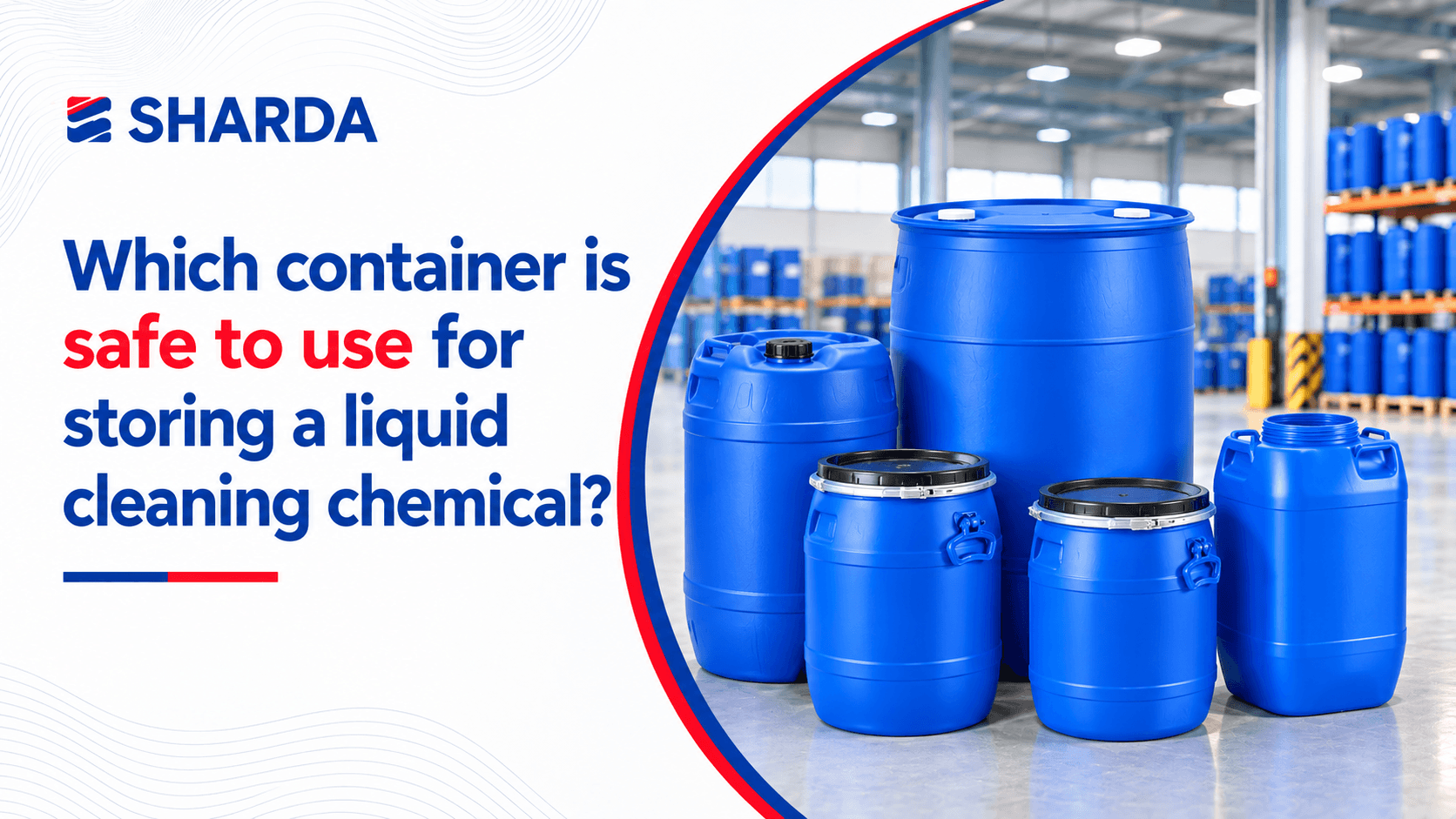
Selecting the correct container for liquid cleaning chemicals is a critical safety and operational decision for industrial facilities. Improper container choice can lead to chemical degradation, hazardous leaks, and non-compliance with regulatory standards. This guide details the essential factors for choosing safe and effective storage solutions. Liquid cleaning chemicals require specific container materials due to their diverse chemical properties, ranging from highly acidic to strongly alkaline, and often containing solvents or oxidizers. The interaction between the chemical and the container material directly impacts safety, chemical integrity, and storage longevity.
Why Container Choice Matters for Liquid Cleaning Chemicals
Container choice is paramount for liquid cleaning chemicals because chemical incompatibility poses significant risks. Storing a corrosive cleaner in an unsuitable container can lead to container failure, chemical spills, and potential exposure hazards. These failures can result in costly cleanup operations, regulatory fines, and severe safety incidents. Regulatory bodies like OSHA and EPA mandate specific requirements for chemical storage, including container material compatibility and secondary containment. For example, OSHA's Hazard Communication Standard, 29 CFR 1910.1200, broadly defines a "container" as any receptacle holding a hazardous chemical and emphasizes proper labeling and material suitability. Non-compliance can result in substantial financial penalties and operational disruptions.
Understanding Liquid Cleaning Chemical Properties
Understanding liquid cleaning chemical properties is essential for selecting safe storage containers. The chemical's inherent characteristics dictate which materials it can safely contact without degradation or reaction. Key properties to consider include:
pH levels and corrosivity: Cleaners can be highly acidic (pH 1-3, like toilet bowl cleaners) or strongly alkaline (pH 11-14, like oven and drain cleaners), both of which are corrosive.
Vapor pressure and off-gassing: Chemicals with high vapor pressure require containers with secure seals and, in some cases, venting to prevent pressure buildup.
Concentration levels: A chemical compatible with a container at a dilute concentration might aggressively attack it when concentrated.
Temperature stability: Storage temperature can dramatically alter chemical reactivity, making a material suitable at ambient temperatures but incompatible when heated.
HDPE Containers: The Industry Standard for Most Liquid Cleaners
High-Density Polyethylene (HDPE) containers are the industry standard for most liquid cleaners due to their broad chemical resistance and cost-effectiveness. HDPE effectively resists many common acids, alkalis, and aqueous solutions. HDPE's robust chemical resistance makes it suitable for:
Hydrochloric acid: Rated excellent for common concentrations in current compatibility guides.
Sodium hydroxide: Highly compatible at common cleaning concentrations, including caustic soda.
Sodium hypochlorite (bleach): Good to excellent up to 10-15% concentration, making it a standard material for bleach per plastics industry guidance.
Hydrogen peroxide: Compatible up to approximately 30% for sanitation uses.
UN-rated HDPE drums, certified for transporting hazardous materials, undergo rigorous testing for leak resistance, pressure, stacking, and impact. However, HDPE has limitations; it can be degraded by aromatic hydrocarbons, strong oxidizers like concentrated nitric acid, and certain solvents.
Alternative Container Materials: When HDPE Isn't Enough
When HDPE is insufficient for aggressive chemical formulations, alternative container materials provide necessary enhanced resistance. These specialized options address specific chemical properties that exceed HDPE's capabilities. Alternative materials include:
Stainless steel containers: Ideal for highly corrosive or high-temperature cleaners, especially solvents, aromatics, and ketones that degrade plastics. However, stainless steel can be vulnerable to hydrochloric acid, strong bleach, and hot sulfuric acid.
Glass or coated containers: Suitable for solvent-based cleaning chemicals where plastic degradation or permeation is a concern, offering excellent barrier properties.
Fluorinated HDPE: Offers enhanced barrier properties and chemical resistance compared to standard HDPE, particularly for aggressive solvents and pesticides.
Polypropylene (PP): Offers good chemical resistance to many acids, bases, and organic solvents, often used for laboratory bottles and smaller containers.
The cost-benefit analysis of specialized containers versus standard HDPE must weigh the higher upfront cost against increased safety, chemical integrity, and regulatory compliance for challenging chemistries.
Container Material Comparison for Liquid Cleaning Chemicals
This table compares the four most common container materials used for storing liquid cleaning chemicals, helping you select the right option based on your specific chemical properties, budget, and safety requirements.
| Container Material | Best For | Chemical Resistance | Temperature Range | Cost Level | Key Limitations |
| HDPE (High-Density Polyethylene) | Most aqueous acids, alkalis, bleach, detergents | Good for many common cleaners; poor for strong solvents/oxidizers | -40°F to 140°F (approx.) | Low | Degraded by strong oxidizers, aromatic hydrocarbons, high temps |
| Stainless Steel (304/316) | Solvents, aromatics, ketones, high-temp liquids | Excellent for many chemicals; vulnerable to HCl, bleach, some strong acids | -320°F to 750°F (304L) | High | Corrodes with chlorides, strong acids (HCl), bleach |
| Fluorinated HDPE | Aggressive solvents, pesticides, permeating chemicals | Enhanced barrier properties, improved solvent resistance | -40°F to 140°F (approx.) | Medium-High | Higher cost than standard HDPE; still limited by extreme temperatures |
| Glass/Coated Glass | Solvent-based cleaners, high-purity chemicals | Excellent for most chemicals; inert | Wide range (depends on glass type) | Medium | Fragile, heavy, can be dangerous if broken |
| Polypropylene (PP) | Many acids, bases, some organic solvents, lab chemicals | Good general chemical resistance; better than HDPE for some solvents | 32°F to 212°F (approx.) | Low-Medium | Less impact resistance than HDPE, vulnerable to strong oxidizers/chlorinated solvents |
Critical Safety Features Your Container Must Have
Critical safety features are non-negotiable for liquid cleaner containers to prevent accidents and ensure regulatory compliance. These features protect personnel, maintain chemical integrity, and mitigate environmental risks. Essential safety features include:
UN certification markings: These indicate the container has passed performance tests for transporting hazardous goods, with liquid-rated packages requiring leakproofness and hydrostatic pressure qualification.
Proper venting systems: Prevents pressure buildup from off-gassing, especially crucial for chemicals with high vapor pressure or those that decompose.
Tamper-evident seals and child-resistant closures: Essential for hazardous cleaners to prevent accidental exposure or misuse.
Secondary containment: Required by EPA for oil and hazardous waste, typically sized to hold the largest single container plus precipitation freeboard.
These features contribute to a safer working environment and ensure compliance with strict chemical handling regulations. Understanding container certifications is vital for safe chemical storage.
Container Selection Based on Cleaning Chemical Type
Container selection must be precisely matched to the specific type of cleaning chemical to ensure safety and chemical stability. Different chemical classes present unique challenges. Consider the following chemical types:
Alkaline cleaners (degreasers, floor cleaners): Typically high pH (10-14) and corrosive. HDPE is generally excellent for these, resisting common caustic soda and ammonium hydroxide.
Acidic cleaners (descalers, rust removers): Low pH (1-4) and corrosive. HDPE is suitable for many dilute acids like hydrochloric acid, but stronger acids or specific types like concentrated nitric acid may require specialized plastics or lined containers.
Solvent-based cleaners: These can dissolve or degrade many plastics. Stainless steel or fluorinated HDPE are often preferred due to their superior resistance to aromatic hydrocarbons, ketones, and chlorinated solvents.
Bleach and oxidizing cleaners: Sodium hypochlorite (bleach) is an oxidizer that can attack some metals. HDPE is commonly used for bleach, often with UV protection to prevent degradation from light exposure per industry chemical resistance guides.
Key Takeaways
Container material must be chemically compatible with the liquid cleaner to prevent leaks and degradation.
HDPE is the industry standard for most aqueous acids, alkalis, and bleach due to its broad resistance and cost-effectiveness.
Specialized materials like stainless steel or fluorinated HDPE are necessary for strong solvents, oxidizers, or high-temperature applications.
UN-rated containers, proper venting, and tamper-evident seals are critical safety features for hazardous cleaners.
Regulatory compliance with OSHA and EPA standards for chemical storage is non-negotiable and requires careful container selection.
The exact concentration and temperature of the chemical significantly impact material compatibility.
Conclusion: Making the Right Container Choice
Making the right container choice for liquid cleaners is a complex decision that hinges on a detailed understanding of chemical properties, material science, and regulatory mandates. Industrial facility managers must move beyond generic assumptions and implement a decision framework that meticulously matches every chemical's unique characteristics to appropriate container specifications. This proactive approach not only ensures compliance but also safeguards personnel and minimizes operational risks. A thorough compliance checklist before purchasing storage containers should include reviewing Safety Data Sheets (SDS), verifying UN ratings, assessing secondary containment needs, and confirming material compatibility for concentration and temperature. Investing in the correct containers yields long-term cost savings by preventing chemical loss, avoiding costly spills, and reducing the potential for fines and accidents. Key Terms Glossary
HDPE (High-Density Polyethylene): A durable, chemically resistant plastic widely used for storing various industrial liquids, including many cleaning chemicals.
pH Level: A measure of how acidic or alkaline a substance is, with a scale from 0 (highly acidic) to 14 (highly alkaline), impacting its corrosivity. Explore Learn more.
UN Certification: A United Nations standard marking indicating that packaging has been tested and certified for the safe transport of hazardous materials.
Secondary Containment: A system designed to prevent spills or leaks from primary containers from reaching the environment, typically sized to hold the largest possible spill. Explore Learn more.
Corrosivity: The ability of a chemical to cause damage or irreversible change upon contact with a material, including container walls or living tissue.
Vapor Pressure: The pressure exerted by a vapor in thermodynamic equilibrium with its condensed phases (solid or liquid) at a given temperature, indicating a chemical's tendency to evaporate.
Fluorinated HDPE: High-density polyethylene that has undergone a fluorine treatment to enhance its barrier properties and chemical resistance, especially against solvents.